pH and Indicators

Safle: Young Education
Cwrs: Acids, Bases, Salts
Llyfrau: pH and Indicators
Argraffwyd gan: Guest user
Dyddiad: Dydd Llun, 5 Hydref 2026, 4:04 AM

1. The pH Scale

Learning outcomes
  • I can describe the pH scale.
  • I can identify acidic, neutral, and basic substances using pH values.
  • I can explain what different pH values represent.
  • I can compare the acidity of different substances.
  • I can interpret pH data correctly.

The pH Scale

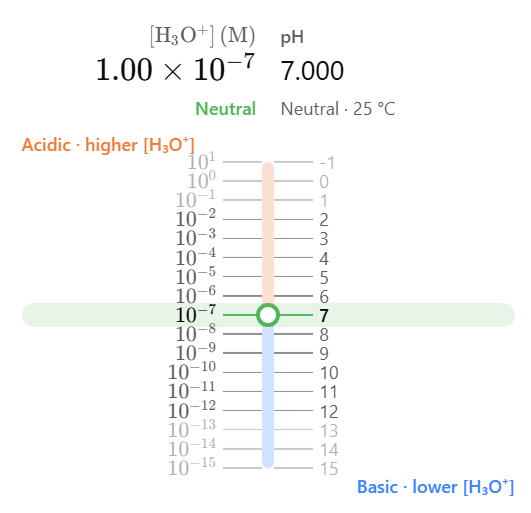
The pH scale is used to describe how acidic or alkaline (basic) an aqueous solution is. It allows scientists to compare substances using a numerical scale rather than simply describing them as acids or bases.

The commonly used classroom pH scale runs from 0 to 14, with pH 7 representing neutral conditions at about room temperature.

Understanding the pH Scale

The pH scale can be divided into three main regions:

pH Classification Examples
0–6 Acidic Lemon juice, vinegar
7 Neutral Pure water
8–14   Alkaline/basic   Baking soda solution, soap solution

A simple rule is:

pH < 7 → acidic

pH = 7 → neutral

pH > 7 → alkaline

https://images.openai.com/static-rsc-4/zoJNU40p8HB3uu2iXnsOxGFDppyJ0iBCE0mZgvH_ZHg0YozEJ3-VPemH-argQHHwuYfBSaK4yDFiWOvOJ7Epkqioi87uTrnCZOnLh7xkt29Nkw-5GKbRvs-5En58QSvwFZo26pef6oUQy23nj8XwuiUo2fp_ogkVzkqzzakXEDsw1vq66lNjS2GBg4FBY4qM?purpose=fullsize
 
https://images.openai.com/static-rsc-4/qYBy2DGvQ_TwQHKHm3IjOu2Bg4B1EGzVCFL8DN2L1BSIr5VEI8r-XYYv3Y1hJ24PN62svJJ4JxkEW_XzqIIKGlwvsY64FDXIi5ZT_NQX-IJWxNONeSCOS9W5q_wbZArARStntMn-h4fUN86jsN17keY7pTwq_lPSJs_1BrqZIp8GjYujBFrRCDVKh5kzCcCF?purpose=fullsize
 
https://images.openai.com/static-rsc-4/4tIqbJVkybUzIvTwAnhcYR9heFcb941ol9RjeWr1StMYAV326lse6qD35UzgRwN9W37HnX_1SR9uqQjhJ5GGaRyk7O80b5dB9o1e3NJ0Qlq0BYSeqs2J1rkMmnvCVZZSE2HRINATko50czppnZABcdRrNavC9MMfkFZ2Sxn8akUcgUKIRf_4-gfdGYDXBsqj?purpose=fullsize
 
5

What Does pH Measure?

pH is related to the concentration of hydrogen ions (H⁺) in a solution. More precisely in water, chemists often describe these as hydronium ions (H₃O⁺).

A solution with a high concentration of H⁺ ions has a low pH and is acidic.

A solution with a low concentration of H⁺ ions has a higher pH.

For example:

  • pH 2 is strongly acidic
  • pH 5 is weakly acidic
  • pH 7 is neutral
  • pH 9 is mildly alkaline
  • pH 13 is strongly alkaline

The pH Scale Is Logarithmic

One of the most important features of the pH scale is that it is logarithmic.

This means that a change of one pH unit represents a tenfold change in hydrogen-ion concentration.

For example, compare two solutions:

Solution A: pH 3
Solution B: pH 4

Solution A has 10 times the H⁺ concentration of Solution B.

Now compare:

Solution A: pH 2
Solution B: pH 5

There is a difference of three pH units:

10 × 10 × 10 = 1000

The pH 2 solution therefore has 1000 times the H⁺ concentration of the pH 5 solution.

Comparing the Acidity of Substances

When comparing two acidic solutions, the one with the lower pH is more acidic.

For example:

Substance pH
Lemon juice 2
Orange juice   4
Black coffee 5
Pure water 7

From this data:

  • lemon juice is more acidic than orange juice
  • orange juice is more acidic than coffee
  • coffee is acidic, but less acidic than the fruit juices
  • pure water is neutral

Because the scale is logarithmic, lemon juice at pH 2 has about 100 times the H⁺ concentration of orange juice at pH 4.

Comparing Alkaline Substances

For alkaline solutions, the pattern is reversed.

A higher pH indicates a more alkaline solution.

For example:

Substance Approximate pH
Baking soda solution 8–9
Soap solution 9–10
Household ammonia 11–12
Some strong alkaline cleaners   13–14

Therefore, a solution at pH 13 is more alkaline than a solution at pH 9.

Strongly alkaline substances can be just as hazardous as strongly acidic substances.

pH and Universal Indicator

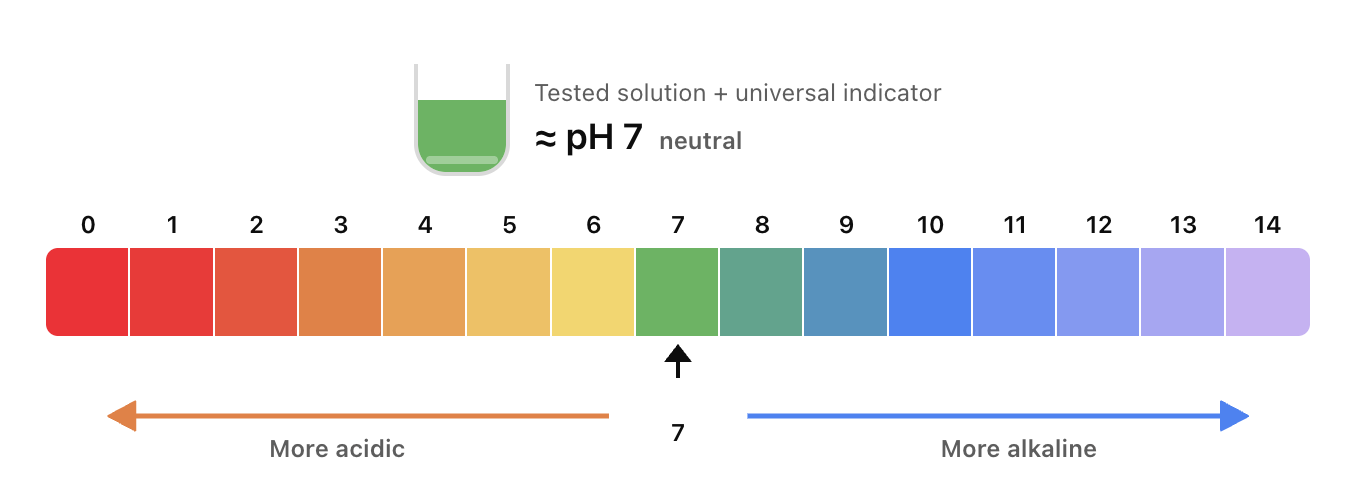
One way to estimate pH is using universal indicator.

Universal indicator contains several different indicators that produce a range of colours.

Typical colours include:

Approximate pH   Colour
1–2 Red
3–4 Orange
5–6 Yellow
7 Green
8–10 Blue-green to blue
11–14 Dark blue to purple

The colour of the indicator is compared with a reference chart to estimate the pH.

https://images.openai.com/static-rsc-4/PYc4BCf4xnVaeKQXIpVCoUU9RGjZ75N2wcbBrJfB6BaX4UJHPykIj0gUngmh6j5s_wlnjvywiv0HqHS0RAeSao4JYeMx4gRpyKbKDckprdPEcuwy673AD17_N3cuau1aAWf58khZ2HfOucalz6RdaV4MQtRgQciGCmo2sf6yx77J3lVF5uQZkkyOIYPpAHHI?purpose=fullsize
 
https://images.openai.com/static-rsc-4/b3rlelvorzuJ0J3AMbhG0TfhJZMeklJAutJdJlW70vEpA-M_-w62fp2niTNHUOrPXCya6n4ImgoDRzLvxqT_nBbeO5t4X5KKBVuxEYe-rZROlRmJ5whDHNdI1A-8UJRumWS2iYuQEeF_4Yjax9WQ0zSKSxUKSDUVCjTijExVYeDcKREmJLKM_KnLrPv8EokA?purpose=fullsize
 
https://images.openai.com/static-rsc-4/O0malWpmb38hKvhChHgC_4ZaLca3C78y8G2ypO0TMYANHTG6o8mYQ91QACeKwO6vdwdXJbcE52BRy23GG_qpAkAVPyOTr_WUJVGFL3lUerBEq1ESWuEUwST_I3_hDjIB6Uc5rCNkz48A3MIHGZmB7JzgkrDDygXnVwUOpQZDwNxBdw7Tg2XISVDfTC8TMziP?purpose=fullsize
 
5

Universal indicator gives an approximate pH, rather than a highly precise measurement.

Measuring pH More Accurately

Scientists can also use a pH meter.

A pH meter contains a probe that is placed into a solution. The instrument produces a numerical pH reading.

For example:

pH paper result: approximately pH 5

pH meter result: pH 5.23

A pH meter therefore allows scientists to collect more precise quantitative data.

https://images.openai.com/static-rsc-4/wcCRVpPpty1lJ4_oR3P8Fhq9Nhq5icF57wC2gn7iHailw0oKr9LTVUntbD-RRtglZ8U80nsK8txEiuP7jlBRLJwb0YDocpbb37aQJ1BNI0lGH6ip0fC4fLXQR7b_p7rg2l_s6Man99ytok4zLaajWKu_PptX00VCS_FdQdQzkSok5Wx3szD0cSPHWwDqy7Fk?purpose=fullsize
 
https://images.openai.com/static-rsc-4/TSuzVVVvntSKx2lzHjZhP-22nNlFPQGgg4kQ6it6OxXwrHFV9dr7owVVXVE_KBbKax2RPiPZgF0kuruD70b9XkgKnTSxCYzL4P_5ucOBKJbJ1wSiZop6dUlyvih6OJdV9q4kLdI4cyoKFGYVyqTOjWu73Elle_XDBZfYku2o2EjQIyepHy-s7Q4qsLZGndty?purpose=fullsize
 
https://images.openai.com/static-rsc-4/vEQp3ca774w7MxlnYwWYmZ9H5M7y7ihTpfjIFvFXX1pabNFQ-WXO_tK0xHQZtg3QpwdckRR9XqPel_v59U6ngcmK6wRCbYHgbjDzSNqHigkWksPT_G5dLI0i5vPPtmXMsE9BmXo0Hr21Pl-a9kS8qGXL5u06tYD23wlspvh8N-08Z2NoPSnkdncoENTA4drk?purpose=fullsize
 
6

Interpreting pH Data

Suppose a student tests four unknown solutions.

 Solution  pH
A 3
B 11
C 7
D 5

We can interpret the results:

Solution A is acidic.

Solution B is alkaline.

Solution C is neutral.

Solution D is acidic.

We can also compare the acidic solutions.

Solution A has a lower pH than Solution D, so A is more acidic than D.

Because they differ by two pH units, Solution A has approximately:

10² = 100 times

the H⁺ concentration of Solution D.

pH and Acid Strength

Be careful when interpreting pH.

A low pH does not automatically tell us that an acid is classified as a strong acid.

pH depends on factors including:

  • acid strength
  • concentration
  • temperature

For example, a concentrated weak acid may sometimes have a lower pH than a very dilute strong acid.

Therefore:

pH describes the acidity of a particular solution.

Acid strength describes how completely an acid ionises in water.

These are related concepts, but they are not the same thing.

Why Is pH Important?

Monitoring pH is important in many areas of science and everyday life.

Human Body

Different parts of the body require particular pH conditions. For example, the stomach is strongly acidic, while blood must remain within a narrow pH range.

Agriculture

Soil pH affects the availability of nutrients to plants. Farmers may test soil and adjust its pH to improve growing conditions.

Aquatic Ecosystems

Fish and other aquatic organisms can be sensitive to changes in water pH. Scientists therefore monitor lakes, rivers, aquariums, and other aquatic environments.

Swimming Pools

Pool water must be maintained within an appropriate pH range for effective treatment and swimmer comfort.

Food Production

pH affects food preservation, flavour, fermentation, and the growth of microorganisms.

Did You Know?

Although pH 0–14 is the scale most commonly encountered in school, these are not absolute limits.

Under some conditions, very concentrated solutions can have a pH below 0 or above 14.

The familiar 0–14 range comes from the behaviour of dilute aqueous solutions under typical conditions.

Key Terms

pH: A numerical measure related to the concentration of hydrogen ions in an aqueous solution.

Acidic: Having a pH below 7 under typical classroom conditions.

Neutral: Approximately pH 7 at room temperature.

Alkaline/basic: Having a pH above 7 under typical classroom conditions.

Universal indicator: A mixture of indicators used to estimate pH from colour.

pH meter: An instrument used to measure pH more precisely.

Logarithmic scale: A scale in which each step represents multiplication by a particular factor.

Key Takeaways

  • The pH scale describes how acidic or alkaline an aqueous solution is.
  • In the familiar classroom scale, below 7 is acidic, 7 is neutral, and above 7 is alkaline.
  • Lower pH values indicate greater acidity.
  • Higher pH values indicate greater alkalinity.
  • The pH scale is logarithmic.
  • A difference of 1 pH unit corresponds to a tenfold difference in H⁺ concentration.
  • Universal indicator can be used to estimate pH.
  • A pH meter provides a more precise measurement.
  • pH data can be used to classify and compare solutions.
  • pH and acid strength are not exactly the same concept.

2. Acidity and Alkalinity

Learning outcomes
  • I can explain the difference between acidity and alkalinity.
  • I can compare substances based on their pH values.
  • I can identify strong and weak acids and bases.
  • I can explain how pH affects chemical behavior.
  • I can relate pH to real-world examples.

https://images.openai.com/static-rsc-4/jCV3upx7c-cCMtoNDi4ZYpDYq6Q1gf2kUIRXG9KdJZOv_oeV-DqDTjd7rI4J_5tSgzy1U_d5q_FP_iw4-F_G57oCXlv72NfM57TjMTT6W5h24xzIAxTCCaxTPglbfDj4oAeYC56sfuMn7hUIYzxGortNxU7WQQbZRiVb61b0gXl6Y0puFGSvvcTAps4dFLsK?purpose=fullsize
 
https://images.openai.com/static-rsc-4/H-Ug3TRIxvMT2dpUzEIEw341W9-9Zk8voKhX2OSAEAZuifTQMWjRklC0I8vOqyf_Js2k2eKQ_qlzT93DGL5FIgbbnpYf4JBy67ZZrb5VcodrbHm1STBOgtiv4zZ6jhDmhqixWI8HMS6KUk5TclNkU2CONXLt9n16iJXxHpvrKNQ6BhmClJG14QXMF1AjeUvT?purpose=fullsize
 
https://images.openai.com/static-rsc-4/n1NJPDZimTDJtGwJ0-LSoJ8Xesvs6JDfvcuxOvghqo5mDTcyfHGTqcoLgV-lUCYOOUA1XOV9WXE4LBI684_8UMAiJSdLf9AcrNkaAmQez8rJM2fXIe8u3nOPDJSDWSUgTFqjLj689sAywf_rIrE_RaMwNH3h9jPvBFzahPYwiAmHokTQpah-prBfmb5OSRsV?purpose=fullsize
 
4

What Are Acidity and Alkalinity?

Many aqueous solutions can be described as acidic, neutral, or alkaline.

An acidic solution contains a higher concentration of hydrogen ions, H⁺(aq), than a neutral solution at the same temperature.

An alkaline solution contains a higher concentration of hydroxide ions, OH⁻(aq), than a neutral solution.

At about room temperature:

  • pH below 7 → acidic
  • pH 7 → neutral
  • pH above 7 → alkaline

The pH scale allows us to compare the acidity and alkalinity of aqueous solutions.


The pH Scale

The familiar introductory pH scale usually runs from approximately 0 to 14.

https://images.openai.com/static-rsc-4/g2gqxkuLh2aH15tcwT7_IKMP5hIgYZivYVLpETFGhGRrLU0rS9XkBM_sJEjIY7gUVfqllDxf3-eHAyQQk9Gdatp4IpSIIAlRXSm7eMHCA4ZR5jTgX2NC1AxaO_Ss_ncFP6JSlHqFNJtUwvYwn8cAQi863Zg838tyuDoC85N1Qg1j538Ru0Vk3VGQkCbiOXrZ?purpose=fullsize
 
https://images.openai.com/static-rsc-4/4DB-lkcbon1NYCVxtEKRmhDxLzK-inCCdT1Pa-m-CEuah6huSBJyhY74YGuDlc7GaW3PExw3hvHsOF1vzJ-V-S1-cicYr_N2wlF-e2UhTMQwC_KspAuk9L5tHHKFTvEwkayU9nZLTZ7SdRL7x4TuBUV7puQe0-pRFBvTWAOJK89S4T4J4RIQTFeEjoobmn65?purpose=fullsize
 
https://images.openai.com/static-rsc-4/1xMd3U8aonO6U2sGc7yzoXplFLnmkZ8jzgA4m7kNMjxYyynco6qhLgXDLi9OLlf7C4oIdCmyquUvdmlooKA6_bBsQRn0HCZd-BjhOvURYEr8SoIvPYds1b9YuhJnbTUuV_wkJasKyfSasuqoHWO_q43uHPMMCD5bLqbK4LFC1XlVnlDAK6_H3rJEAcNb1pVA?purpose=fullsize
 
5

A simplified interpretation is:

pH 0–3: strongly acidic

pH 4–6: weakly acidic

pH 7: neutral

pH 8–10: weakly alkaline

pH 11–14: strongly alkaline

These ranges describe the pH of the solution, not automatically whether the acid or base itself is chemically "strong" or "weak."


Acids

An acid is a substance that can produce H⁺ ions in aqueous solution. More precisely, those protons are associated with water molecules, often represented as H₃O⁺.

Common acids include:

  • hydrochloric acid
  • sulfuric acid
  • nitric acid
  • ethanoic acid
  • citric acid
https://images.openai.com/static-rsc-4/hJ4RI6GjK8tuj5TDW_6xxOEpBgS4ms1uSTSaHFdJVlQ0ynbD2bu0cWW87QcsdCINvYRPwvxLIIMNpZQUBVLykKpb7fxDMICPTFU8xtwN-kYKOtg2PWGyPmlAOiMwQQp4gg7c49srEjajJmTysAWOz9o-LsUK5laVJt7Op5tv8axWsgNzbtNwUARw9wAI-uvf?purpose=fullsize
 
https://images.openai.com/static-rsc-4/eMl_47W_dGPP8Djgwf4cnuCleB1siLBzBkB0yXQNjrxWCQvc3ZWWCwiCF-DDUHi9BSjKZXytT5hYIQzvNRzIb4fJFVz8EVj3Y1SrJYJtmr3qbIpL8ys9Eu_9nHme25IekJ4qkDLAFpA8_Vd_kg6yAnBjxTzWVlpxtgVePiPMNrKkuBBhefuxhzeuwKpwm7S3?purpose=fullsize
 
https://images.openai.com/static-rsc-4/2g8CN-vEwcTmZcsUzQN_TD-1EFoqWcNtcnR19uFKGV36Z4KYpaBMYd2QqEDA8J2zaPcmZiZiYOaRlEZJ9SY-D4011wTYsJuTziTnHGSSm2i3WsDHSN-CSh1b8XXRRrWf_ImwJHWdioKwtk1fwwMqEphS2nZstTuYKbIFbFbAimOlfuEeecfogi8YvYPs6oIy?purpose=fullsize
 
6

Acids can have very different strengths and concentrations.


Bases and Alkalis

A base is a substance that reacts with an acid and neutralizes it.

An alkali is a base that dissolves in water and produces OH⁻ ions in solution.

Therefore:

all alkalis are bases

but:

not all bases are alkalis

Examples of alkalis include:

  • sodium hydroxide
  • potassium hydroxide
  • aqueous ammonia

Examples of bases that are not very soluble in water include some metal oxides and hydroxides.


Acidic vs Alkaline Solutions

A useful comparison is:

Acidic solution

  • pH below 7 at about room temperature
  • relatively higher H⁺ concentration
  • turns blue litmus red

Neutral solution

  • pH about 7 at room temperature
  • H⁺ and OH⁻ concentrations are equal
  • pure water is the standard example

Alkaline solution

  • pH above 7 at about room temperature
  • relatively higher OH⁻ concentration
  • turns red litmus blue
https://images.openai.com/static-rsc-4/hco9vuhsh15No9Y3mUC7COGJ7yRE289k3FmwVQguiOQaL1N3bgINn80VvFXYjXxL4U7KxltbuHGutuncaCCQhv0djNXD0sb8jP6fg-OLtgM9z7pz_Wr5hV8f4NOgJ58uHUQ_-FqENIa2e5diVeFeA3vSu4lcRLG7H95cHQVSs-dgg4hZBdphMouPFtjTRB-d?purpose=fullsize
 
https://images.openai.com/static-rsc-4/Tfst1FWgGpj8p-RMEtV_6andl6EjAsyO7D5g36C4uyZ9XeXmDvNjxSoTWGIvuqu6Iz6ja7LXbHFsr9Ki2Jx_egPQMD2qFoj23aH7qSiDJDSfin5YEZjop6QnX6ldPBQ31k99C4fL9SftJvY5K10ISZscwR2rZQRdUzj_Zh21Lc-bY_ljMCZzVcL1GCc_C32k?purpose=fullsize
 
https://images.openai.com/static-rsc-4/cqXAKNrVWH-pNgfMju9mlD4zBPkpO4OpWBzwVgx7G5ommEGVG1YtT7wKSiGqfUHPkxMEm95RxzIqI0xtcWDX0pou2yR5i2tfjnciH6EwHeszSeMSHIod0RPXfFwpJgGG6iNGNqiq6P56dyBb2gI697EhdBMK5NDvk8Y02asOe1l0VTHwGCh1IulBZPlkL-V3?purpose=fullsize
 
4

Understanding pH

pH is related to the concentration of hydrogen ions in a solution.

For many school-level calculations:

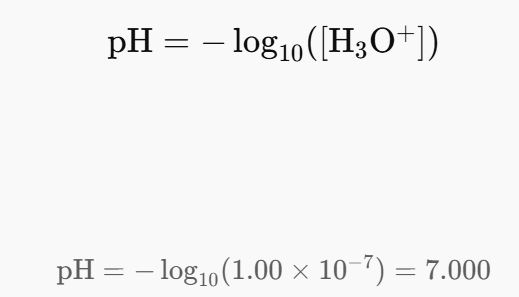
pH = −log₁₀[H⁺]

where [H⁺] represents hydrogen ion concentration in mol/L.

This means that pH is a logarithmic scale.

A change of one pH unit represents a tenfold change in hydrogen ion concentration.


Why the pH Scale Is Logarithmic

Consider:

pH 3

and:

pH 4

The pH 3 solution has approximately:

10 times the H⁺ concentration

of the pH 4 solution.

Now compare:

pH 2

and:

pH 5

The difference is three pH units.

Therefore:

10³ = 1000

The pH 2 solution has approximately 1000 times the H⁺ concentration of the pH 5 solution.

https://images.openai.com/static-rsc-4/gN-THASp2Ym8wOylRp4w8MTmJ3j8NRjK0_VyT7YBRf3TSYF_fZSeIEpW85u-1hD_Co2Pptr-sB4Y36tqewaJpf6mJgN_B8NgNX3VjLY1y0BmTOzRAo_6_wiY6UcGoj4IfQH5kvodIjRwtWE5w-SpXHZuUQNq0eWI5OPSmOdT7mO7CEon4AX7h6TnTrDLtlAg?purpose=fullsize
 
https://images.openai.com/static-rsc-4/2eK709HtR1uIeCA_RBEpi5cD6XMW3AFzOqEnVMNxao3nvrNESoHf9bcPtJ5boiAti38ycICBc4aILWuWJtZMW-C8DCjkqn1gu3xaFktGGkZQrhnR9VHDfVJXmofgwL5sGYyeRv4zcO6Sx5EFqL_a_y7IvCIEer-y4peGcrW3RJxdBNrA63ZDzbj4_YmqgVvT?purpose=fullsize
 
https://images.openai.com/static-rsc-4/t3CzZsr4zB-ljLuUl1ysut283oGGbhh5fQeUEV0x3sEPKdt-9TjakAfUZD9Ic1MjCYKBNdDmD1A3FFJ0VY8bVPPa9G-i8UqOLxP1fLta5TEVn9zCN33W4TVQUEzh7EYYcHyp5WzIdUgTXKuzFRFqQpDReJcL23_FAQQSviVzRhGVgdHoHcYdnDJLNsVilx1Y?purpose=fullsize
 
6

This is why apparently small changes in pH can represent large chemical differences.


Comparing pH Values

Suppose four solutions have these pH values:

A = 2

B = 5

C = 7

D = 11

We can conclude:

  • A is acidic
  • B is acidic
  • C is neutral at about room temperature
  • D is alkaline

A is more acidic than B.

D is alkaline.

We can also compare hydrogen ion concentrations quantitatively.


Example 1: Comparing Acids

Solution X has pH 3.

Solution Y has pH 5.

Which has the greater H⁺ concentration?

Difference:

5 − 3 = 2

Therefore:

10² = 100

Solution X has approximately 100 times the H⁺ concentration of Solution Y.


Indicators

An indicator is a substance that changes colour depending on pH.

Indicators allow us to estimate whether a solution is acidic, neutral, or alkaline.

https://images.openai.com/static-rsc-4/3DiEce8usLvX1o0z71SF_O4b0URJ8__GdSkEEqPQa0lqYZ3gMWkzu6FfuI6_uG5G4sZIx1dlRh0cfE-OCJ_B5higT7jMRLpZni8PcYrl1xn8X32TkJjcgsbb6rzVskOuModvWVn2AAzNU1ywnCjn8PDCOIqAoUJf-l3zB3tqNKk-h8EkxM73yfOE3o6Ec5ag?purpose=fullsize
 
https://images.openai.com/static-rsc-4/abWDeQ1_jr18yrFUHXaq1kLfvLI53JKZs6h3A-bsDhIGZpRuZIEUHNL5a_gRcPnb_4aUJACCUbOrU2c2pwAY9H2F0NxMYh_s9T4LVGmXdWCmMMPnLQQ6AY1lrSwyPLpjhOo35faP79rpS7CUYzz25YAYk58QKrQCjCI2ISqaqScojezmaQ-hMuVj9TwGBofv?purpose=fullsize
 
https://images.openai.com/static-rsc-4/2sC_BrP-qRvniANB7Hz3r7G3-vJXr-ku2RffosnggsXeCXmxFSX29oexGQCpfkkqGb99e6NLIRhBv0fqRjVHcUlBOLkWhalb19qlvP8Pvb9rnRbmZUxEBr86hveY39f2cYXrTSmLwsXb8byu0GVVZ3IAHp2IR1bXEulJliUA_bLGqu-1TkJH_-bfY3d52gh-?purpose=fullsize
 
6

Common indicators include:

  • litmus
  • universal indicator
  • phenolphthalein
  • methyl orange

Different indicators change colour over different pH ranges.


Universal Indicator

Universal indicator produces a range of colours across the pH scale.

A typical pattern is:

red/orange → acidic

yellow → weakly acidic

green → approximately neutral

blue → alkaline

purple → strongly alkaline

Universal indicator is useful for estimating pH rather than simply classifying a solution as acid or alkali.


Measuring pH Electronically

A pH meter provides a numerical measurement of pH.

https://images.openai.com/static-rsc-4/ILaou06Cgn-rj-m9yk2yZ74zufFSA1cYKiN62lnmuEl1z7CuLvJj7EtKQMBSPHqzWI5Cnfxzbdb77K2Mqsj7hX0GqKZCllipTD13wvK2cKF7mBF9V5kMfZ4YlWbihcEE-irbEL442GZBr2ZFbvMpH3FTuLT67yYCzDEWnS54QxDhxFhUFPpZx3V2NlpyczIO?purpose=fullsize
 
https://images.openai.com/static-rsc-4/TSuzVVVvntSKx2lzHjZhP-22nNlFPQGgg4kQ6it6OxXwrHFV9dr7owVVXVE_KBbKax2RPiPZgF0kuruD70b9XkgKnTSxCYzL4P_5ucOBKJbJ1wSiZop6dUlyvih6OJdV9q4kLdI4cyoKFGYVyqTOjWu73Elle_XDBZfYku2o2EjQIyepHy-s7Q4qsLZGndty?purpose=fullsize
 
https://images.openai.com/static-rsc-4/FnqURiI4dP8c4qx1F439X5MvpgwboY6tMq9IYaGxPSs_FwaRIix5UMcD-K-8UxKBPjpBXaOhG6DwUELtsDMNOLHNCepVqbKycgqFfF0mi7I-dzxbqNEyCQtaIPApl_or07pQNIG6WbHhsuYBjLqabjGBnuxNXBJzhI40JHPSd9y0GIH8WrIOxYGbvAUwDECl?purpose=fullsize
 
6

Compared with indicator paper, a properly calibrated pH meter can provide more precise quantitative measurements.

pH probes are used in:

  • laboratories
  • agriculture
  • water treatment
  • food production
  • environmental monitoring
  • industrial processes

Strong and Weak Acids

Acid strength describes how extensively an acid ionizes in water.

A strong acid ionizes essentially completely in dilute aqueous solution.

A weak acid ionizes only partially.

https://images.openai.com/static-rsc-4/SC4YxbQdVmGdPdN2ZK77biwV3UNFb2uYBa-58aa7knWdSTB2in38CXHAqT-EMn6zAZPpPXTKbHzGyeLZ9ZNkLJjgALhrKQ3iWKc96tvq_3VqdJ-lZsJ9usmfcDV3NjAKLsElRCUo-KZ-RKZGKaJCS1jQcP-PRWDyx3g7CU-K9eklCVzRF3yh1eXsYmztZOeT?purpose=fullsize
 
https://images.openai.com/static-rsc-4/XslUGbStRVCU2CuLh-YKEBkaz3P24MvWO_Yka7PYzYN26IxX54LAbGOVgQWji1XKcpdOLbb1KhXP7lg0WWLk2_IWPB5evA1incQ-pJSQuD3r7iLPxwV-wIK6ZYVjRmkLBicTFSTglLI-EB5eipZbtmBmOUIKtFTckE34LbE17_AEWb9jOIVxrKz4gHcN_oIl?purpose=fullsize
 
https://images.openai.com/static-rsc-4/lJO7enqshpd2pqiUTYtAWcZJaEiF6z8lUasvwFPLgb74NFOrgAdILcA-r_YUiUComTGntpoyFSSnn4gAXf2A8twUrS4FXnfeULwY72YLts3-ZH6_p5bWR4BB-1w0gkrXOkmHj_JvJurSZJsg_9gVK6oFIPmGRQixof4P-JjJHKiky5p13DHxd7XXOcA8W8T-?purpose=fullsize
 
6

Examples of common strong acids include:

  • hydrochloric acid
  • nitric acid
  • sulfuric acid for its first ionization

Common weak acids include:

  • ethanoic acid
  • carbonic acid
  • citric acid

Strong Acid Example

Hydrochloric acid is a strong acid.

A simplified representation is:

HCl → H⁺ + Cl⁻

In water, essentially all HCl molecules ionize.

This produces a relatively high H⁺ concentration when compared with an equal-concentration weak acid.


Weak Acid Example

Ethanoic acid is a weak acid.

Its ionization can be represented as:

CH₃COOH ⇌ H⁺ + CH₃COO⁻

The reversible arrow indicates that only a fraction of the acid molecules are ionized at any instant.

Many remain as CH₃COOH molecules.

Therefore, at the same analytical concentration, a weak acid generally produces a lower H⁺ concentration than a strong monoprotic acid.


Strong and Weak Bases

Bases can also be classified as strong or weak.

A strong base produces ions essentially completely in aqueous solution.

For example:

NaOH → Na⁺ + OH⁻

A weak base reacts only partially with water to produce OH⁻.

https://images.openai.com/static-rsc-4/uz7u_h_sP9_EpVHBvYZGNUecfluFN5QLKcuYdJPv5E36_EIHywZ_pZCdsZ-rIXJi15G2Gc94h0jv6qovTUmsCUh5KLn-sIoPV2cqNCt9XSw42LhPLUU0HymOUMwpN4POPrPZ7gvyoqtU67k1sMMDCv0uM4trnWUFFmZVtfRHOKLtqGGnsn-ErIGgUX2S2G_T?purpose=fullsize
 
https://images.openai.com/static-rsc-4/cafGZ3rOfCUbUJ_SkaikJr3EnP7gaDcCgi3esAhbDEcpJGweFll-_N7jfaB9PuLsS-dTOJgWsLdk0t2ot71K_2RK3ZcZfCNuIONXWOMd0unDamdziReAkADqh1hkKiI2hs-kV2CSzORyFhMsASbnhKgZxoIqwYkMUtquoLQC3krNyBaosmW9OUj1C4l78SjD?purpose=fullsize
 
https://images.openai.com/static-rsc-4/qPQMFLGlctk1YeUCXCXaDpa6G4i_ZfDBG1mg-Kn5e90GSDKbbHYKlsYRVKNQ0vJIdqLia1zW45FZTcZVuTzZFk_ICYBehlxCxTgXj0-Zl1nRaQpYkHk8BqaBgq_ODNE0yJmrZ_oOH2UuPsJQifX447nmXfHrm2J3czIplRxxrYFu0xklcYezpFsSNOd4-MwX?purpose=fullsize
 
5

Ammonia is a common weak base:

NH₃ + H₂O ⇌ NH₄⁺ + OH⁻


Strength Is Not the Same as Concentration

This distinction is extremely important.

Strength describes the extent of ionization.

Concentration describes how much solute is present in a particular volume of solution.

A solution can therefore be:

  • strong and concentrated
  • strong and dilute
  • weak and concentrated
  • weak and dilute

Do not use strong and concentrated as if they mean the same thing.


Strong Does Not Simply Mean "Low pH"

A low pH tells us that the solution has a relatively high H⁺ concentration.

It does not, by itself, tell us whether the acid is strong or weak.

For example, a sufficiently concentrated weak acid can have a lower pH than a very dilute strong acid.

Therefore:

pH describes the solution

while:

acid strength describes the acid's ionization behaviour

This distinction becomes increasingly important in advanced chemistry.


Acids and Metals

Some metals react with dilute acids.

A common pattern is:

metal + acid → salt + hydrogen

For example:

Mg + 2HCl → MgCl₂ + H₂

https://images.openai.com/static-rsc-4/kTZs6f_TgdmnKB_Zv6x5pqFV1cMI7rO-6Q80oYHA-cihgl-SgMs_Rib1IW49wvMN7CfrV_SfVjyUcNSV9_C1zU2dPH0YJPwAwKvy4MugRoSVsMGedZHsY6P9VsccvC-HBuJ4w9LBUjbIHt1w3CvKfsG491u8_lO663ALLHv3BijRaoRVY7_8RpSP7sZNcyzP?purpose=fullsize
 
https://images.openai.com/static-rsc-4/qTcJ7uun6vQ5z-qqwAUUbVYN8C9HSRJ6ebOke7Lb3mE5h9davFwfiObUsiFesg7PuURHz8Rmhtp1UuagU52PnCcVReYxu7nJPivv_HDNPZ5yfD6HbCN2ta9Ee2QIB-y_5s1sD4ddm-_-vjEwY7PXTHT6XdLSWjfaH5Y4HJjVsp-DE-3ISSbBkaAFYFAA-0tk?purpose=fullsize
 
https://images.openai.com/static-rsc-4/xd2hTsgcsCF3pfrFVPs51OXbLibQudvaG-7gHyWF4GI9eIh2nRQ38oQiQA9Sc3f_YMVkX6iy39Bsboni3qmsk9eBJ4ljUaiNO3a8DnCM8DNbmNNVheA53xpJ0o9STfbqTKXBUSvm3_UB4WMAS4RVkIot2J8Sqm64byVxABYH6JjJhjhwpBqJ45oAGJWrhYef?purpose=fullsize
 
5

Possible evidence includes:

  • fizzing
  • hydrogen production
  • metal disappearing
  • temperature change

The rate depends on factors including the metal, acid, concentration, temperature, and surface area.


Acids and Carbonates

Acids react with carbonates.

General pattern:

acid + carbonate → salt + water + carbon dioxide

For example:

2HCl + CaCO₃ → CaCl₂ + H₂O + CO₂

https://images.openai.com/static-rsc-4/IIZSSKxKq9zvQafRmFFH2Tay2XoACXxjHM1GiWjxyDBqpvbuC2NpMGqXloGet0D1jum7J8HsOvwKZTpZCdUAVZmch7zZcvVkU6iaJHWG4EU9NohTwH23ZDGCYLeEYXeU2Vu8HqBAdSJ1n6JHIgrL3PZC_-6gSXvu0PuHmG1TtJUneaLn7tXfk_Lps6ZqxTl8?purpose=fullsize
 
https://images.openai.com/static-rsc-4/mQLjIzP4ZLVbOPIBNWsw_2Z1G1zC6jPxoofUzFpsIv3Gon6CmmTRBwQO2G5341MUD1ge_e2AQKTR4G4hvJxkto4nvbCe4cPkrDtdRtQ_Tc_rMQrORi4zSSbg9bNfKav9Q2-GR4wVqMhhPimPJS35F39_w24zvC9eS-kiK-IX34qLk47aFAZxu_uIWLcZLl5T?purpose=fullsize
 
https://images.openai.com/static-rsc-4/WuAScjk8uD6VzK8CITjyrBGat4_RuJb2Wt9sfsYMoDqFahgJN3iR5Rhi0vcm-9BApQaXCT1FYKxFZTRvdrjzn-39E104Ndk9M-zIWyAZU_8QaHn81nISvos2x1nJVxwpvN_jZBn1Lx-CNZ7tlHZgch7v8PV5CgXL5K6y_i8HQvbA0l-OT_ft7tK5JhWByxh2?purpose=fullsize
 
5

The fizzing occurs because carbon dioxide gas is produced.

This reaction is important in geology, environmental chemistry, and everyday applications.


Neutralization

When an acid reacts with a base, a neutralization reaction can occur.

A common general pattern is:

acid + base → salt + water

At the ionic level, an important reaction is:

H⁺ + OH⁻ → H₂O

https://images.openai.com/static-rsc-4/Q_qKDQFvfzIVB6bUNQnIvDc2O81vSjwsbgYkwE-L0Ah_PrICNVvzvDUe3lYhcDAjCjRs52OHc-7noeYlUkCkbgRHGywGF7FFoQaWwx3o-X7gGx52HQ3Nn6QfPzF2VmCn-2zJn6khQbX9wkF87GHmIchoDrMzXuzxJ4QQCyCp2nXNpvGZUesp3V7eNc2mrdf1?purpose=fullsize
 
https://images.openai.com/static-rsc-4/h_VK_3GR_IdLz4tRWs0GyNawbP1bvzQ358ljQiArAfrG9pkQfjGYu9a24ynGOKGxzCGtpmAnj9z0iAaQYo2fVat5cvy3-Cx5-8tYWa-FZDD0NlsHEScvvFBdYINmqnoDHzkqYU8JlPb5RKeJT7ceQuGAnX8arIL6ODE28fK67D0e2oeGRdBVlkMpu3JEgpsj?purpose=fullsize
 
https://images.openai.com/static-rsc-4/st1meLeaag5Ft3m1aVYOu5zoleRr1utaG9uZi2q0U_q1hFkbTlxgwoUpeUzL9oAi8TFEbMiVx04sOH10hQlIcXXE0V1Oj3cGZhHIljl3KbwCFDOFEzK_JBjCoCjGU5gTr0KkpDTjpdo-s83N10tK7k2j6WipjCsDzUbJmc0kXFvmnQ1VzorBK9hoUE-XxoKi?purpose=fullsize
 
6

The H⁺ ions from the acid react with OH⁻ ions from the alkali to form water.


Example 2: Hydrochloric Acid and Sodium Hydroxide

HCl + NaOH → NaCl + H₂O

Hydrochloric acid provides H⁺.

Sodium hydroxide provides OH⁻.

The resulting solution contains sodium chloride and water when appropriate amounts react.

This is a classic neutralization reaction.


pH During Neutralization

Imagine slowly adding sodium hydroxide to hydrochloric acid.

Initially:

pH is low

As NaOH is added:

H⁺ is consumed

Therefore:

pH rises

Near the equivalence region, pH can change rapidly.

After excess NaOH is added:

the solution becomes alkaline

https://images.openai.com/static-rsc-4/HNZdxbqqfkAD15imBXVFHp54aOTqAGZuZfN6FBGcCPuy8Ye0YoDKaM-PIBXYZUy1ZPN1raAguUdA1oGAQenc6FYdg4lfzrVyCjVZkPhAvdZJnakIu9txRe5NfE8_IriY66_4DVB89_tRV-0prZX8LklU3zigHbTX3T2v0mUiWORuWIoQ3ZBN_TGkrM6jiElj?purpose=fullsize
 
https://images.openai.com/static-rsc-4/Nal7W6aqGbxc7Xw84pPU6z_wIisVx050sQykTKsDPD5Y5JDgUXsUDmHOE6CeerTsmbLAIlbkPK6n7hv0OK6-YOTPrDHS9AiS8XiOhFzko6Q2q_nKdt7Lp9aK3FZZOOfVCDyPorZD_iB1lodSGuK_e8Gv-h6aadBEEpzYPGTuTIRdKhsrzn0X2KWQv_aPcPsO?purpose=fullsize
 
https://images.openai.com/static-rsc-4/IViNQNI3zS-2-8Ghnc3NxATApE3FxVxUo88oeryiStrwBHHdt1-TXihWxeHyRSRvzpwcYStkDE2VTUEHnK7YwWj4IZ1fiHklhA35rdsTrHR8ohvkAhgOzJLRdGepmlfjLi6B90SscrFOmWlKFOFbOH5kkh-RGxKcrdi7eeVRyJYfEGqFVr_xo9TiADwKYQoK?purpose=fullsize
 
5

This relationship is important in titration experiments.


pH Affects Chemical Behaviour

Changing pH can affect:

  • reaction rates
  • solubility
  • corrosion
  • biological molecules
  • enzyme activity
  • ion formation
  • chemical equilibria

This is why pH is important far beyond simple acid-base classification.


pH and Enzymes

Enzymes usually function most effectively over a particular pH range.

https://images.openai.com/static-rsc-4/PxoYD60VcKPn2SF2VVM9nJKvWFUtDV3YDUJPJnh36fwphwF7fhD4H5fY5WnjX8j_S1k-Xl71zubJmbB-LisNaGNA4eZxpeatWaY5ow0b2iWDqEaEsilLEyZqUoKKZILZnglx-tI4GuIaqdOvmUjqv1fNbapKCihjt9gET1eiaU4AYPWGP-marDds-0xZqZFL?purpose=fullsize
 
https://images.openai.com/static-rsc-4/te6FOqv_FGTySJzWSAGxhpes1pKvP6Ta07ZESODWN9ARPZa-Spd9XsDbbzgNI8QYAJEWNG2NI4NrmCYFr4zIx88Woo_2bx7uym3xmHL_tYn5BetKw6TOwEafhVweIk5GD20yIgvh44ISVwJleDbQdLUpXCoGldqAeoobkL7hwaW2alAPTPsuK1vxi1dW4_M4?purpose=fullsize
 
https://images.openai.com/static-rsc-4/mzRjHIY_H0HI5Wc9k-ueFI8-PW7K4xKkLt_9dFHGHMxCqTZvgw772wH1wDdGsr-yDaty6ASNt3UeZMVwxeAo7gLqUq3xZJcyofmAf_zobHpxRg52rGHty0fuZyN2FLRSKU7SxfBYB8oxM-LC-BA_QSvWrY2fboOJKBNH3G_D5c4g6UIxSqOiQsl_ohBOPQ5z?purpose=fullsize
 
4

Changing pH can change:

  • charges on parts of the protein
  • interactions maintaining its shape
  • properties of its active site

Extreme pH can greatly reduce enzyme activity and may contribute to denaturation.


pH in the Stomach

The stomach contains strongly acidic gastric fluid, commonly around pH 1–3 depending on conditions.

The acidic environment helps:

  • activate and support digestive enzymes such as pepsin
  • reduce survival of many microorganisms
  • support protein digestion

The stomach lining contains protective mechanisms that help prevent damage from this environment.


pH in the Small Intestine

Material leaving the stomach is acidic.

As it enters the small intestine, bicarbonate-rich secretions help neutralize much of this acidity.

The environment becomes more suitable for intestinal and pancreatic enzymes.

This demonstrates how organisms regulate pH to control chemical processes.


pH in Blood

Human blood is maintained within a narrow pH range, approximately 7.35–7.45 under normal physiological conditions.

The body uses buffer systems, breathing, and kidney function to regulate acid-base balance.

This demonstrates an important principle:

small pH changes can have significant biological effects.


pH and Tooth Decay

Bacteria in dental plaque can metabolize sugars and produce acids.

These acids lower the pH near the tooth surface.

https://images.openai.com/static-rsc-4/6C8Vy8MHOivMQuBbP7_ii7-Uxx9PVpOvjoosh00kARpEWNG8RRwGnXT6lsjS_Du6xqQgMSYd2sr6jftxT7hN8-T0bjZbrn45XkQNlNzc0iXzPfLj25c39d0M0mPLd59wJRdVNLofQTNYUhZic8v3RstJLwseQ9mWZishAwtLv7oEObPmMH57Q831FiV2wZ0F?purpose=fullsize
 
https://images.openai.com/static-rsc-4/iuJmvb9s-jq8hw9u00LIg5h8egI41L_tjeSAJ0VhlYcbFh4m-41aUYvqnijMoXq7zxHZuyU8-HElGTgH-tPYkLVfHcfPYs6kw6uMBa_swy3yKiF_YJR0wOZxcwovJ_AXw9vJuIOXOiUCUIIxXIp5a656wNRNhBr4gp0htJvbgSIVl5PcKIkBWztYs6Ep7b3S?purpose=fullsize
 
https://images.openai.com/static-rsc-4/Gc6U2Sen3kIiN1BCE6cKz0zNb0TZz_wlZCpzSrQHS68O4MohDa2oXVGAaAQafSfBt3xCcQlHCjZ5aYKYLarpb_lRzkUn7ENZbNCgp3_wPXy46D6sezPxWqJDoyIkrDK0ddYKIX5PEwtz13S6T2vlQ9aT-ap6Jz2o0vXCM4INfw_MtF_fbVX7eTBu6z7aPlGq?purpose=fullsize
 
6

If conditions become sufficiently acidic, tooth mineral can begin to dissolve more readily.

Saliva helps by:

  • diluting acids
  • buffering pH
  • supporting remineralization

This connects acid-base chemistry directly to dental health.


pH in Soil

Plants grow best under particular soil conditions.

Soil pH affects:

  • nutrient availability
  • microorganism activity
  • chemical forms of minerals
  • plant growth
https://images.openai.com/static-rsc-4/OMEH4fWMU5tjhzfqPYXyDftFRMlDCSM8vj-FVCv-JKSJ85pTXVQKeNkRfxVnyI4vs4w8SYqMJURK5iGkGSNyIRU3kysVAHtYJa2_elMrrWfc5EaCOc5GSPn5RR3JD0LbL9Dch8FBS5kIYAFdKeTPugX1PPh-zDTK3xgXK1Jn86z0nL_QZaj-g3WKGxmZxMPX?purpose=fullsize
 
https://images.openai.com/static-rsc-4/sjVIoTrvRyWUFSdVKOaPxKxw6_ckMcpQgACcb0ZNE3GTPtMLsUH2sI3bP100T6SOTT6WM6eMZ6XcgcapaKA_rV5vFeaHZXe8tNDIUUpBKNPW-aXy0vxvFKw0th_lorMVUgAJONhJLPe-Qzws6OZhWt-xOXeVLhhLOmwucrJK6VqHH5Xbg2DE43jLdAeaT_O0?purpose=fullsize
 
https://images.openai.com/static-rsc-4/WHbpXCvL6TQ3wRRhu0VtIm13XHOkNK_nlnJsp7Qqd71rNwEJM22dsc-0iBmSPZMdj9dHOAY3BRWIgtLOsH3nmdj223V4NLT0ejkZ2qx1vIFD3XWn_ZGJ0AMszVpOmukSco6_upSBbkpQ4XzGng7x3bJBUCatKJouG6kWjCkvfp10MTRFe9Pt43qFVoxfvN3-?purpose=fullsize
 
7

Some plants prefer acidic soil.

Others grow better closer to neutral or somewhat alkaline conditions.

Farmers and gardeners may test soil pH when managing crops.


Changing Soil pH

If soil is too acidic for a particular crop, materials containing compounds such as calcium carbonate may sometimes be added.

Calcium carbonate can react with acidic components in the soil.

This process is commonly called liming.

It can raise soil pH and change nutrient availability.


pH in Lakes and Rivers

Aquatic organisms can be sensitive to changes in pH.

https://images.openai.com/static-rsc-4/dTIXTba1iXHgbedkF_60gtdVXO2a10yAAOF13bVLHGfIMiQQs_nOycBlw708TnweckSUDbywTvVHuLD3LWLYnL7bsYqru4B_xO9zLdmBq_ppzj4W5VZ16vGs0ngILfwQotVzRRbTUDHHeLGk5sWlnVzXGtMVSoz4CYRk1t_61DT-CtNkulk2TcFkwv72Pfcz?purpose=fullsize
 
https://images.openai.com/static-rsc-4/214fnTMmcQYlVlb986xvD5Zo1n-2nkDDNu3oa0VvbBMzR0gzg-sGutC5-dczY6326zsdJQOrWH1CHTSlqn5UTg3YehJqA441U-zQWar_PRx5wZr307e-lyMlNtiJ08tFPoMz1pvlHWmv5hTIFzbtrA2FGjwDOSkuZ7jr9SIPJyfpIAtKFejk_pd80nNjqkdD?purpose=fullsize
 
https://images.openai.com/static-rsc-4/RWRJzrKxit5Fe22PeUMW5_OwzZ10sWXaaw9qjre3d2HJUXbzkzzYaCAh4D3oibUEHA1m-WsQzm8bulsA2bCf346VZJwU-IOwLI0vMQxqUGWakVFrXa1-QuRE42I321vN39OYt4XDLM7nI2azc5j6O9GJJMCrarfyUdUkWULKDnUvp2bKprd3zS0ePlAFDz1D?purpose=fullsize
 
6

Water pH can be influenced by:

  • geology
  • dissolved carbon dioxide
  • biological activity
  • pollution
  • acid deposition
  • industrial discharge

Environmental scientists therefore monitor pH as one indicator of water quality.


Acid Deposition

Sulfur and nitrogen oxides released into the atmosphere can undergo reactions that form acidic substances.

These can contribute to acid deposition.

Acidification can affect:

  • lakes
  • soils
  • forests
  • buildings
  • aquatic organisms

The effects depend on local chemistry, including the ability of soils and rocks to neutralize acids.


Acids and Limestone

Limestone contains mainly calcium carbonate.

Acids react with calcium carbonate:

acid + carbonate → salt + water + carbon dioxide

https://images.openai.com/static-rsc-4/W9CH1-uozeAlNOsH28ufkIZ8BlaPWm61ssf8fbATdW_2FbZSIZSQSqMwZf66Y8PIc1T1CLUs6Kc-3zFZbI8Yijtang2dgvpViB13Ku_f0PMBv7xxLpTi4iSSALuy8Xinhq8iZqwNQGpPUjc5SVMoChSWliOq4mMgxTzBq08IsAEIjkA0FCvEbRzd9Zwnb6fv?purpose=fullsize
 
https://images.openai.com/static-rsc-4/x1rX6YW8rZfTw-jAV9RiXsRSRdM3yaz6IEzFWgD52A6VxIKxAqxOZ0-e4bljRGgJPHbg9BKi9XsgcYq5xGxO7ALfmUNRnPrS5OfAZC4fk6QtKzoWvEPI1TtNe0vCNZXoNH5KklgXIQ6pw5z8OER2tHUHTDZ7nD-25ur88oRjgFCpJskflo4GP4VhpSiC26pL?purpose=fullsize
 
https://images.openai.com/static-rsc-4/eDEDIm3mPjz0o2ExUTH7p8OOq4WOIELTOfuOYyBw6NhCk6f33wCaYX2KOMCzB_Xol8Q1LnD36UMD83Gxq7WRirX7iSz0tIPixdV3_xhYGVg8Dk--zI3a-WCbfkUgHI3llfUDNb3Tdjn6D2TJi6AnqnSMhcLCo1QH-GYGD0pWzgqfgpTzNzcwIKY7RjcT_6Nm?purpose=fullsize
 
5

Acidic conditions can therefore contribute to the weathering of:

  • limestone buildings
  • marble statues
  • monuments

This is a real-world example of pH affecting chemical behaviour.


pH in Swimming Pools

Swimming-pool water must be carefully managed.

https://images.openai.com/static-rsc-4/JplIemUdgqEG4h2gFlxfeJ7FuAC1GCoDyTZAIR9dGmUT2St6LCyMIym7MJPVM4st3G6bjzKp9FTexX1MvlOZC22GdsTdUOKAMb7o31K84i0sruwpNsItX87bs5fGkJHk1lx_0euuCw0HANgHA2OHIhwpf7Cw5POtCXj7LsofWyJe8TDHRUK0YpyQv-m8HuZJ?purpose=fullsize
 
https://images.openai.com/static-rsc-4/8Hs6znI5LOe0Vx12RXHu9gfF_yD-4AMv_tKYeEU67x9jFwkgQd0cQZCZkYG-ldZ4r9qOf419xBQ6UjbVQ2C5Ssua1uJbOafNgINMsqvlpzFuEFqjd7Y116HjEBkdrJjjl9dH7Eh9ayHoeSi25FrrHN3lh-X9uJnrejARY8w0zZNVQ4wjBkJp-hFeHVbOs7_F?purpose=fullsize
 
https://images.openai.com/static-rsc-4/hVMbkbpRj3iYMwVQorfFRd-eyylfnG87PxuxEy2hTv6cYE0-8sOxuEIKcIPFlOtwVZBx25wlln9gDm1AZ-dzA7xjioWtkfWCQUX0z859hzAgwbcqOUMc2v38u2UzkqQtYPfc4x0q6_iuOJfZdvTuuvfkNnIv37U5ur6HXDu3Al2hT9jHsDJ95sCyHJ1wE5hx?purpose=fullsize
 
5

pH affects:

  • swimmer comfort
  • corrosion and scaling
  • effectiveness of disinfectant chemistry

Pool operators therefore regularly measure and adjust pH.

This is an everyday example of applied acid-base chemistry.


pH in Food

Foods cover a wide range of pH values.

Approximate examples include:

  • lemon juice → strongly acidic
  • vinegar → acidic
  • tomatoes → acidic
  • milk → slightly acidic
  • pure water → neutral
  • egg white → mildly alkaline
https://images.openai.com/static-rsc-4/oj4UszKkRh2uvqS5ZgE-TUu65znyRoS2J2P-hkbSeqGfQp0xMIJCx-I8f7VBGWpKD7S03sBzD9nd1syxaj9fMk1FQ5_z0Q27OAYm_xyeITtdvPEM5f8tTXT2UTIVpOnlN6vv2pxepDv5UQv_wQbou49fsdUqN1bTdx155YGRl1yJVtFLSuWLSRoPjNF8uZ8r?purpose=fullsize
 
https://images.openai.com/static-rsc-4/MtV4BDTyV9laXrsJEEbII91I1QPYXlFNBNi3MJe5Juc_jRco2jZSeohuGuLZ2GVjMSkUhkH6oHNvlWTr4qMq3ULH9pYm5Eav90UEk_cnlzBoGlzJXB2yI-9XJ8e40J4kcqjOHdrNymRO4EvbKoVlBRMcKWXDoSJE_4_4dqdrkAyjS_D8IcH7YdnvMSNQMBje?purpose=fullsize
 
https://images.openai.com/static-rsc-4/wfN4dSG2YGnCkJwimcCs5FZHNgj1FIqYyYo9Mogtuz1FkbdbQvDPjnPD24Ny0r5rayUdc64zmBMPrb9gK8vwW222f2H-SqHutiLmqeJ-eO-2yNElzqMzqPUcucUCOipNvA3ghhinSjpSpL5w_FoS4Z3siuPsPgQmBeWN2LczMo3SXiUrCjEHvQ70Tbmy7Edv?purpose=fullsize
 
4

Exact pH values vary depending on composition and conditions.


Why Food pH Matters

pH can affect:

  • flavour
  • colour
  • texture
  • chemical reactions
  • enzyme activity
  • microbial growth
  • food preservation

Food scientists therefore monitor and control pH in many products.


Household Cleaning Products

Some cleaning products are alkaline.

Alkaline conditions can help remove certain types of grease and organic material.

Some cleaning products are acidic and may be useful for dissolving mineral deposits.

However, chemical cleaners must be used according to their instructions.

Different cleaners should not be mixed unless explicitly directed because dangerous reactions can occur.


pH and Corrosion

pH can influence how quickly metals corrode.

https://images.openai.com/static-rsc-4/n1DObW4g8wCVi1QiwWT2PvP_BELQ2GBu9cbXnZSjFSlwMLYfAs1YlkIevwUdSNT5_2zQV6mnwzi0S8VyqeEoJh7-lAZwH1rChJm5svIuxZm3iHoryh-wRLDOCPbfUGrHy2PVy8DBnXjRZCKEB9iXh3XZxsAc7ix-LgigSpGovZwpulU0t7g0M7OJolrR9IJX?purpose=fullsize
 
https://images.openai.com/static-rsc-4/YfxNr-o0xUoAba3807oT4SQjXs95jYwbKweGmvF0RlWQjHm9UN3nNnWAdkKmQ4pUIGc-1o79Ix9ZQRt7RI289Xw3h8shrlYYTGk2Mz87yLwVOgjZpo615kgztXkP5R0JOlMMSu_Pnf5_tbOZe7RKAE970XUygreMxPSlj9O-eaxq7t5p2HOaM0p-pneli9mn?purpose=fullsize
 
https://images.openai.com/static-rsc-4/RWlqCzookKxit5fMLZJFkeyjhZQMcYCKZqtTSU2HS_j9-4XDjgOztg2mBvGpmHmarageunKTMHc1CU7qmop-2ly1r2Fuovmjuv_ddfqdwWzjXe-sSc0OkAo-ZeXSv9Js0yqA1JuELL2T4mOFKVdTldspJ_JTzQx94QVBP2IyzwsVr8-1worymH-_qIR5js2e?purpose=fullsize
 
4

Many metals react more readily under acidic conditions because H⁺ ions can participate in reactions at the metal surface.

However, corrosion behaviour can be complicated because it also depends on:

  • metal type
  • oxygen
  • salts
  • protective oxide layers
  • temperature
  • other dissolved substances

Comparing Everyday Substances

Consider these approximate pH values:

Lemon juice: pH 2

Coffee: pH 5

Pure water: pH 7

Baking soda solution: pH 8–9

Soapy solution: often alkaline

We can arrange them from more acidic to more alkaline:

lemon juice → coffee → water → baking soda solution → soapy solution

Remember that actual values vary with concentration and formulation.


Example 3: Comparing pH

Solution A has pH 4.

Solution B has pH 7.

Solution C has pH 10.

Classify them.

A → acidic

B → neutral at about room temperature

C → alkaline

Which has the highest H⁺ concentration?

Solution A

Which has the lowest H⁺ concentration?

Solution C


Example 4: A 3-Unit pH Change

A lake changes from:

pH 7

to:

pH 4

The difference is:

3 pH units

The H⁺ concentration has increased by approximately:

10³ = 1000 times

This demonstrates why pH changes should not be interpreted as a simple linear scale.


Example 5: Strong vs Weak

Two acid solutions have the same concentration.

Acid X ionizes essentially completely.

Acid Y ionizes only partially.

Acid X is:

stronger

Acid Y is:

weaker

Under comparable conditions, Acid X generally produces the greater H⁺ concentration.

This comparison is based on degree of ionization, not simply the amount of acid present.


Example 6: Concentration vs Strength

Solution A:

dilute hydrochloric acid

Solution B:

concentrated ethanoic acid

Which acid is stronger?

Hydrochloric acid

because acid strength refers to ionization.

Which solution has the lower pH?

That cannot be determined from the words "dilute" and "concentrated" alone without knowing their actual concentrations and conditions.

This distinction is important.


Beyond the 0–14 Scale

The familiar pH scale of 0–14 is extremely useful for introductory chemistry, especially for typical dilute aqueous solutions.

However, pH is not fundamentally restricted to exactly 0–14.

Very concentrated solutions can have values outside this range.

For most school-level problems, however, the standard 0–14 scale is appropriate unless stated otherwise.


A Useful pH Analysis Strategy

When given an acid-base problem:

1. Identify the pH.

2. Classify the solution.

Acidic, neutral, or alkaline?

3. Compare pH values.

Which is more acidic?

4. Remember that the scale is logarithmic.

One pH unit = factor of 10 in H⁺ concentration.

5. Distinguish strength from concentration.

6. Identify relevant ions.

H⁺ or OH⁻?

7. Predict possible chemical behaviour.

Could neutralization occur?

Could the solution react with a metal or carbonate?

8. Connect the chemistry to the real-world situation.


Common Mistakes

Mistake 1: Saying acids have pH above 7

At about room temperature:

acids → below 7

alkalis → above 7.


Mistake 2: Saying a pH 2 solution is only twice as acidic as pH 4

The pH scale is logarithmic.

The difference is 2 units:

10² = 100

in H⁺ concentration.


Mistake 3: Saying strong means concentrated

Strength and concentration are different concepts.


Mistake 4: Saying weak acids are harmless

"Weak" describes ionization, not whether a substance is safe.


Mistake 5: Saying every base is an alkali

An alkali is specifically a water-soluble base that produces OH⁻ in solution.


Mistake 6: Saying neutralization always produces pH exactly 7

The pH at equivalence depends on the acid and base involved. A strong acid–strong base reaction is the simplest case where the equivalence point is approximately pH 7 at room temperature.


Mistake 7: Assuming pH can only range from 0 to 14

That is the standard introductory range, but values outside it are possible.


Mistake 8: Assuming pH alone identifies acid strength

pH depends on both the nature of the acid/base and its concentration.


Did You Know?

pH connects chemistry to biology, environmental science, medicine, agriculture, food science, and engineering.

https://images.openai.com/static-rsc-4/zlw2fz3BDAqu-P7oPm4p5xsduedDmyMhNzTIiFiyVGWMiJBiZVeEaoF6gb2nzyCAEGafX5eeGR5196XaW8-YCEYv8BsuWuQ3SDZUP13tSv_lIlTvy-4gXJGPZQljZjO2FwKtDTuztxTarQJvC-vx9FW4muFJKe3-7b7Fo5slvUho9GLHMjBWY9ABC4_8fn51?purpose=fullsize
 
https://images.openai.com/static-rsc-4/7XE_ZZEso2aaLh5BUptSPONasREAIfd8PnGmuupGns56tAZXDuXhWcR4XwDaJmbzngcaR8BfVrpZls-xrl-lwZ8erdrQ0dbx5XRcZzPuASMb5bfmAOiJ8BkAmqQ7fa2JBIa8YyDVEoV8WLzBoQ0EBnm0C8dbt5yue6LHhubShvC8x4oH8hc8Bl13yUrZbw9-?purpose=fullsize
 
https://images.openai.com/static-rsc-4/XsNRS10yab3C2CqAi6GbbSxScQf8V2pRRUaDVQgFdMhsuNkVY2YWPdUbKoK-_KBE6YgPSdIQRIORuxCfWGTRz_wJoHcVMFta3tC-vKVbMOcGe72y65BzO2cH9dJFH1ZdbOc6-h2Px3pNeQI24COG_i9BNeZrajyc9s_VnrXS7z1LZ4dC_wN5g4ZMwbxxTDDp?purpose=fullsize
 
6

The same chemical idea helps explain:

  • why stomach fluid is acidic
  • why enzymes have optimum pH ranges
  • why farmers test soil
  • why environmental scientists monitor lakes
  • why swimming pools require chemical adjustment
  • why acids affect limestone
  • why pH matters in food production
  • why pH can affect corrosion

The pH scale is therefore much more than a set of numbers—it is a tool for predicting and understanding chemical behaviour.


Key Terms

  • Acid: Substance that can donate H⁺ or increase H⁺ concentration in aqueous solution.
  • Base: Substance that can neutralize an acid; in broader chemistry, a proton acceptor.
  • Alkali: Water-soluble base that produces OH⁻ ions in aqueous solution.
  • pH: Logarithmic measure related to hydrogen ion activity/concentration in solution.
  • Acidic: Having relatively high H⁺ concentration; typically pH below 7 at room temperature.
  • Alkaline: Having relatively high OH⁻ concentration; typically pH above 7 at room temperature.
  • Neutral: Condition where H⁺ and OH⁻ concentrations are equal.
  • Strong acid: Acid that ionizes essentially completely in dilute aqueous solution.
  • Weak acid: Acid that ionizes only partially.
  • Strong base: Base that produces ions essentially completely in aqueous solution.
  • Weak base: Base that reacts or ionizes only partially.
  • Concentration: Amount of solute in a given volume of solution.
  • Indicator: Substance that changes colour depending on pH.
  • Neutralization: Reaction between an acid and a base.
  • Ionization: Formation of ions from molecules or atoms.

Key Equations and Relationships

At about room temperature:

pH < 7 → acidic

pH = 7 → neutral

pH > 7 → alkaline

For school-level calculations:

pH = −log₁₀[H⁺]

A difference of:

1 pH unit → 10× difference in H⁺ concentration

2 pH units → 100×

3 pH units → 1000×

Neutralization:

H⁺ + OH⁻ → H₂O

Acid + metal:

acid + suitable metal → salt + hydrogen

Acid + carbonate:

acid + carbonate → salt + water + carbon dioxide


Key Takeaways

  • Acidity and alkalinity describe important chemical characteristics of aqueous solutions.
  • Acidic solutions have relatively high H⁺ concentrations.
  • Alkaline solutions have relatively high OH⁻ concentrations.
  • At about room temperature, pH 7 is neutral.
  • Lower pH values indicate greater acidity.
  • Higher pH values indicate greater alkalinity.
  • The pH scale is logarithmic rather than linear.
  • A one-unit pH difference represents approximately a tenfold difference in H⁺ concentration.
  • Strong and weak refer to the extent of ionization, not concentration.
  • Strong acids ionize essentially completely in dilute aqueous solution.
  • Weak acids ionize only partially.
  • Strong and weak bases differ similarly in the extent to which they produce ions or react with water.
  • pH affects chemical reactions, corrosion, solubility, biological processes, and environmental systems.
  • Acids and bases can neutralize one another.
  • Indicators and pH meters can be used to investigate acidity and alkalinity.
  • pH is important in digestion, blood chemistry, agriculture, water quality, food science, swimming pools, dental chemistry, and industry.
  • A useful reasoning chain is:

pH → H⁺/OH⁻ conditions → acidic/neutral/alkaline classification → chemical behaviour → real-world effect.

3. Universal Indicator

Learning outcomes
  • I can use universal indicator to estimate pH.
  • I can interpret universal indicator color charts.
  • I can determine whether a substance is acidic, neutral, or basic.
  • I can compare the pH of different substances.
  • I can use indicators safely in laboratory investigations.

https://images.openai.com/static-rsc-4/FSNrD1CkYJC0Q-WDTXP57To7NSQgEjcwByvyG_Sg73adqSSHtLjGT0oI604JbRD47IlA9qRMLho3FE0vdXBfhqHoLqQBnh2lOavkHfFvClB65E4wm_5QV4r1Soyt4TdPtg5dBKP8r5AagTxJaUsWgy_olAhMIet-_Om6yjNvX6alKck84LW8IIisfIMeI-DW?purpose=fullsize
 
https://images.openai.com/static-rsc-4/pt6GwDQ8YEiqr7b-LvTDEldFvlzEqFJ9n9luOjDCgvtgH8W95CQpAXIS9ihhO45mhmz2-3VKpzMWPUObj8OUKCp9vXLpRb5zcYUadoPGym9lByLJdhsSxhPwLuUEcYb_cO39xTndAUU4Vft3_N7vXY6HvOuIqqp9Kw_XNw9wssD5gwGdIJ83P72sP69PSPbA?purpose=fullsize
 
https://images.openai.com/static-rsc-4/nhsdcEGBTifFhHJLxEJB2ni9L99ZYOgJCSulzBVb73Cz-dF_DA1edXvhdij-9Y3aUoPSbTB0Nj-qIl4a54ym32Wybg_hA_AOde2rSjR5IQLRk9GNQVI4xsno1_97D_K6BhnA0lxLOeQ7VsFJIsMXomnKu6wmMc3gjeddEfRPT-bLP1xkkP8MPng4eZD4PtZJ?purpose=fullsize
 
6

What Is Universal Indicator?

Universal indicator is a mixture of several different indicators that changes colour across a wide range of pH values.

Instead of simply telling us whether a solution is acidic or alkaline, universal indicator allows us to estimate its pH.

The colour produced by the indicator is compared with a standard pH colour chart.

Universal indicator is commonly available as:

  • indicator solution
  • indicator paper
  • pH paper

The Universal Indicator Scale

The familiar pH scale commonly runs from approximately 0 to 14 for introductory chemistry.

 
pH
 
Give feedback

A typical universal indicator colour pattern is approximately:

pH 0–2 → red

pH 3–4 → orange

pH 5–6 → yellow

pH 7 → green

pH 8–10 → blue to blue-green

pH 11–14 → dark blue to purple

Exact colours vary somewhat between indicator formulations, so the colour chart supplied with the indicator should always be used.


Acidic, Neutral, and Alkaline

At about room temperature:

pH below 7 → acidic

pH 7 → neutral

pH above 7 → alkaline

The terms basic and alkaline are often used similarly when discussing aqueous solutions, although an alkali is specifically a water-soluble base.

https://images.openai.com/static-rsc-4/2sC_BrP-qRvniANB7Hz3r7G3-vJXr-ku2RffosnggsXeCXmxFSX29oexGQCpfkkqGb99e6NLIRhBv0fqRjVHcUlBOLkWhalb19qlvP8Pvb9rnRbmZUxEBr86hveY39f2cYXrTSmLwsXb8byu0GVVZ3IAHp2IR1bXEulJliUA_bLGqu-1TkJH_-bfY3d52gh-?purpose=fullsize
 
https://images.openai.com/static-rsc-4/UDln3BqnNMEWav3bnzaz-mcUGMjti3STZr6bCcnyn9CDTeDDQ-iR5cew0ylGuIj8VqhWkorsjpnh1z5I362xKWflSs-K8JPKPnD7I47dkzLa3vPV6W1AP9IvSOil5TDDM6jr3pwmfQZ3R9j-dzZ77e0_9f7JNwB25JQowFGXJWUyLwhPGBI21FwccB3_QzqJ?purpose=fullsize
 
https://images.openai.com/static-rsc-4/vETIApEmCJM87hWxJF9tCfLTtLwR2I2yuit_BDD84hbJkrs0ejhJzFQ0Bf1bfJTWxuphWFFUBbrVg8OEKzrqUyRFZLaLJcnfZAqWtv0tgPPWWgw4mcl7SaXvf1aE0fuOrwAJPQHN4I0AOHLLIo2-xxXAuQ4V8cVKAEeimINNABViSmex7FOGrcVlQjl-YVra?purpose=fullsize
 
5

Universal indicator provides a visual way to classify a solution into one of these categories.


How Universal Indicator Works

Indicators are substances whose molecular forms have different colours depending on the chemical conditions of the solution.

Universal indicator contains several indicators with different pH transition ranges.

Combining them produces a sequence of colours across a broad pH range.

Therefore:

solution + universal indicator → colour change → compare with chart → estimate pH


Using Universal Indicator Solution

A simple investigation might follow these steps:

1. Place a small sample of the solution in a clean test tube or well plate.

2. Add a small amount of universal indicator.

3. Mix carefully if necessary.

4. Observe the colour.

5. Compare the colour with the manufacturer's universal indicator chart.

6. Record the estimated pH.

7. Classify the solution as acidic, neutral, or alkaline.

https://images.openai.com/static-rsc-4/UFRBLSty9S2JH41Z1qwkImYJ8rt_v2-zX9naMqVzjtNyRX9mtzk99V_nBNuF-ZFHKZaWnm0T-BxJD2NuOI5LgaZfYptkFZlNv491f5OA29kD8wmEDRj8ZrxIKBqdauT--1JJ_LlZ_dBLTTj41WNVXAhcnLR3DDL_JMY_KzY5wLg7l678xf9HOzcgCm1pGn4H?purpose=fullsize
 
https://images.openai.com/static-rsc-4/rP03nfcUCz4O_1f-6HojUz4GYgW8JXslrnGZMhIUNoO8hYGI8DSygNmxYEYAW42Hg0RRTUDzL1jFxNgbxA9rADhKtf1mqb8NDlilpwCIlV8zluR23j7CNCTbWIovOVNTg50TM4CWx5mSRmNK7YqNNrNzxhXgDuwV9KYKh3hVtmaZQL5U_jveJ6AiEDSvQJUO?purpose=fullsize
 
https://images.openai.com/static-rsc-4/3DiEce8usLvX1o0z71SF_O4b0URJ8__GdSkEEqPQa0lqYZ3gMWkzu6FfuI6_uG5G4sZIx1dlRh0cfE-OCJ_B5higT7jMRLpZni8PcYrl1xn8X32TkJjcgsbb6rzVskOuModvWVn2AAzNU1ywnCjn8PDCOIqAoUJf-l3zB3tqNKk-h8EkxM73yfOE3o6Ec5ag?purpose=fullsize
 
6

Using Universal Indicator Paper

Universal indicator paper provides another method.

A small amount of solution can be tested according to the instructions supplied with the paper.

The resulting colour is compared with the colour chart.

https://images.openai.com/static-rsc-4/iFjjHVcfc4Ag5-uNQELrH_WQEKeljjwnpHkE-RwycPwdTNokox0hFQAUlpA0YcZadQKZuHUukqTT4LJHb5vWjRpnBYhwg4HeGzIltPkY4WY1MtBvg6vMVXaooiD04b-G_zavqhOL3xKPbHm5T6EoQgbvmZfqAis7UrVCjswdAsnSc_FHFntcnwXVJVsINb0Q?purpose=fullsize
 
https://images.openai.com/static-rsc-4/BULI7lwlKFFIx0P1lcVCOWYTscalz2wcFR0o69Of9rqA2_bCVaXcm0UiWR0Jj7uQLQFOxBajPAO1XhocSvulMztn30Ko-tMMFcHbUZ6tQ-NBeeKQOpx_DgY4_iuCF5UTHOFECFvin5Q8OdPUwmjOQ_mwMFSHHCwssTsF8TcdSabfYdP0WBSSSrU4ZNaoXwp4?purpose=fullsize
 
https://images.openai.com/static-rsc-4/aPh3bhXdckLwcR6Kw-7eEvL94beQ6dZpKazhl7ODB75Os9RMHEX0cqJIDkpelxD89MxCXs2sNgJGonCX5MMaHYswytlMFtOEPFo3I2QuvbgEvgQMx1l9NVqWn7zd5vYMmMfJtu6zeGO1IpItc1kpngymZzYH053tf1joTolDGrWpm5EY31vJF80d2P1Xyls1?purpose=fullsize
 
5

Indicator paper can be convenient because:

  • only a small sample is required
  • results are rapid
  • there is less liquid indicator to handle
  • many samples can be compared quickly

Reading the Colour Chart

Suppose a solution produces a red colour.

Comparing it with the chart suggests:

low pH

Therefore:

acidic

Suppose another solution produces green.

This suggests:

approximately pH 7

Therefore:

neutral

Suppose another produces purple.

This suggests:

high pH

Therefore:

strongly alkaline solution


Example 1: Orange Indicator

A solution turns universal indicator orange.

What can we conclude?

Orange typically corresponds to an acidic pH, often around pH 3–4 depending on the indicator chart.

Therefore:

the solution is acidic.

We should not claim an exact pH without comparing the colour with the specific chart being used.


Example 2: Green Indicator

A solution turns universal indicator green.

The chart indicates pH 7.

Therefore:

estimated pH = 7

and the solution is:

neutral at about room temperature

Pure water is a familiar example of a neutral substance under standard classroom conditions.


Example 3: Purple Indicator

A solution turns universal indicator purple.

This indicates a high pH.

Therefore, the solution is:

alkaline

and likely toward the strongly alkaline region of the scale.


Comparing Different Solutions

Universal indicator can be used to compare several solutions.

Imagine these results:

Solution A → red

Solution B → yellow

Solution C → green

Solution D → blue

Solution E → purple

https://images.openai.com/static-rsc-4/3DiEce8usLvX1o0z71SF_O4b0URJ8__GdSkEEqPQa0lqYZ3gMWkzu6FfuI6_uG5G4sZIx1dlRh0cfE-OCJ_B5higT7jMRLpZni8PcYrl1xn8X32TkJjcgsbb6rzVskOuModvWVn2AAzNU1ywnCjn8PDCOIqAoUJf-l3zB3tqNKk-h8EkxM73yfOE3o6Ec5ag?purpose=fullsize
 
https://images.openai.com/static-rsc-4/O0malWpmb38hKvhChHgC_4ZaLca3C78y8G2ypO0TMYANHTG6o8mYQ91QACeKwO6vdwdXJbcE52BRy23GG_qpAkAVPyOTr_WUJVGFL3lUerBEq1ESWuEUwST_I3_hDjIB6Uc5rCNkz48A3MIHGZmB7JzgkrDDygXnVwUOpQZDwNxBdw7Tg2XISVDfTC8TMziP?purpose=fullsize
 
https://images.openai.com/static-rsc-4/Gp5_0_lkHvmLQdm6z4T6xT2JK5lqNDyNQhAT0zvY6CXUXjWq6FIeJcXxrC_RhDNoFqQsrDGMvNRfs1lwbX8S3DeaNxod_VPjclttSOxhKPMpQroTp8uXlKvZGZGFkci3DDZtu3gOuWFrIiJXFctE8s5HH0aarPTJrc901qDHYMhjJ2WSsjv9X6EWtn8vtpC9?purpose=fullsize
 
6

From most acidic to most alkaline:

A → B → C → D → E

Solution A has the lowest pH.

Solution C is approximately neutral.

Solution E has the highest pH.


Comparing pH Numerically

Suppose:

A = pH 2

B = pH 5

C = pH 7

D = pH 9

E = pH 13

We can classify them:

A → acidic

B → acidic

C → neutral

D → alkaline

E → alkaline

We can also say:

A is more acidic than B.

E is more alkaline than D.


The pH Scale Is Logarithmic

The pH scale is not a simple linear scale.

A difference of one pH unit corresponds approximately to a tenfold difference in hydrogen ion concentration.

For example:

pH 3 compared with pH 4

→ approximately 10 times greater H⁺ concentration

pH 2 compared with pH 5

→ difference of 3 pH units

→ 10³ = 1000 times greater H⁺ concentration

Universal indicator does not directly show this mathematical relationship, but the pH value estimated from the colour represents this logarithmic scale.


Everyday Substances

Many familiar substances can be investigated using indicators.

https://images.openai.com/static-rsc-4/cPRd7uNyOcupvJP5RDxPMzAdy-OGh1isL-WVhVv-vAU7WW-zrsy4tgbEbAWfL3Ah_A-RpEsuTJ3yArVpRue2XlzV2RRQEf7uBnYbEaRmq9Kct9l3ETBAeHkqnAQpZNy6Ar5OH0sjtEqFXZtjhY5o98r9gpZth9RjCluLNOJy7S3qXCGom7w0DJhIuvpfa1G7?purpose=fullsize
 
https://images.openai.com/static-rsc-4/1B5MEeylnoSGwVSjC9dYcI3JG4ocWijyt91fyrqEyb8j6yRJ77pNiOMck0FweUTvlW2tUV4MJbhH4VMa-ukzdNgtlj_nYhepvXfdFfy205i9OVN_KQRmn4DBWWaRqeTQVdLftafTU0mVzhD6BTTOE3OFGKLUGruo5aZLqXW6pXi8wp99qHzFp7-_gYK2NVza?purpose=fullsize
 
https://images.openai.com/static-rsc-4/mCxrnIBIkIko4CoI9VCrCFgEKRnJ9gRKRP2_jYevGK_H8zT8qc2MXjP8IhLNLYRqi14wDTTM41uROKgneG_CzWdoQ9_n7vrBHSn0mfyyxn7n8E-iwdlw9kXXncn8NPOkTYo1_30twtKXDVLqFYHm4A9UBfLbdpA8vRGW-FeZPy2ipyEpiTJH1ekdnhy62U_D?purpose=fullsize
 
5

Typical examples include:

Lemon juice

Usually acidic

Vinegar

Acidic

Soft drinks

Usually acidic

Pure water

Approximately neutral

Baking soda solution

Mildly alkaline

Soap solution

Usually alkaline

Actual pH values vary with concentration and product formulation.


Investigating Household Substances

A class investigation could compare:

  • lemon juice
  • vinegar
  • water
  • salt solution
  • baking soda solution
  • soap solution

Students could record:

Substance

Indicator colour

Estimated pH

Acidic, neutral, or alkaline

The substances could then be arranged from:

lowest pH → highest pH


Universal Indicator vs Litmus

Litmus is another common acid-base indicator.

However, litmus provides less information.

Blue litmus

turns red in acidic conditions.

Red litmus

turns blue in alkaline conditions.

Universal indicator provides a much wider colour range.

https://images.openai.com/static-rsc-4/mSb1ceWcVGIzSTc1xz3t6ctFm-VEaDHmCP5nKnNIpa86QelBTyotIgT_Tc_niprwtN351T33lZHk6ayXW5zYKnfpiPoD49vzDCV_NQQ-bk4bpr5Z9KpkK1yuebuvB0rMm59aTMDaIDKSTKA3weLPBhCFKFbUkLiC_oERe71T8jnlFU26eoUQSCZwvLVKvmUM?purpose=fullsize
 
https://images.openai.com/static-rsc-4/K1H1V4mKUgdZDXDu9JdKjdpYbvigWLZe2BzGF-TKEB_Y1ccdzhoRVQqOxmr-sqPGT9hJq5H0tQgIIfK-tkAf7MqA6rBny8deTfS_TFsKnj9ziyPpEzJj41L1Ru_VbNI0m9DUTnfATMuM4qVMQFqZ1sUqRgmaG96cSEcnqj50d4Yz4afvEiVrDJ184ZghYIMC?purpose=fullsize
 
https://images.openai.com/static-rsc-4/EqsVgmAw0c3jc7qrY066QCpoc3-d6Wv3ACtbE99LUvpUvQj2dhvlIl1aILjKcNtreijEJFOyJYu-RqWNg4eEQWEYgWSleGav_6TtYAfKU-SJ2fDOszI70mJHHBPa_JaEJzeDg20HhXsAQW46aui0FXO7xOkL-jIvyoMm_zERfoAlZomOxxzFzQvgb2MM2xDn?purpose=fullsize
 
5

Therefore:

litmus → identifies acid or alkali

universal indicator → estimates pH across a broad range


Universal Indicator vs pH Meter

A pH meter provides a numerical pH measurement.

Universal indicator provides an estimate based on colour.

https://images.openai.com/static-rsc-4/9487ppmq3qXpJqiGFgce93vjODr-0Rms-KLeWu777sks8iS50QsHpj9IgylNAVCJazNiN-J_A-byYjFAE1-WVD4CsMPjcKV0Px5VZhJqsIoKN638u6iHUZ_q_2YWTrjsRtLSVuJE5Re3BXhhFCM7zvrIIPEgjzmLlfGB6JSsKPon6kz6PZFsaf1uI5TXxFI8?purpose=fullsize
 
https://images.openai.com/static-rsc-4/btj97CkC1EEnXfg9MIn8d_xfl-Tv6uG2IgF2aPLI5mJ_xj5VIvqr8oR4DCSVIRJHMp_Q2sfg0T61JVRZ65XmopIZ_ZlAP3in_85hhM54jyXLDCltdnnu8mvHXaSxkqf38a2xLpRS3RpGXdCex7s58NQ9YMAgWawon59PGjaQoyTHh2wBvVmrEly_bQhuFVFb?purpose=fullsize
 
https://images.openai.com/static-rsc-4/Yc-ocTq6aXbieieMKU9PDLSAUrhRmiqsUf39nhTnLC5nD4X52j7c1kJ-VrSwGw2iuyuuvinJDFkGSdFUGhcqqC7CdXmYz27Sei4--pXv80b1UWKrkSll9uQgXP7-GwNLf77TKwEXWn23cnyas72WUYxxgeC7YilJ6HdT6mRrNSucS4ZwlWdkKZI2Q7aSSkBo?purpose=fullsize
 
5

Universal indicator advantages:

  • inexpensive
  • simple
  • rapid
  • visually clear
  • useful for approximate comparisons

Limitations:

  • colour matching is subjective
  • difficult to distinguish some nearby pH values
  • coloured or cloudy samples can interfere
  • lighting conditions affect colour perception
  • generally less precise than a calibrated pH meter

Why Universal Indicator Gives an Estimate

Suppose an indicator colour appears somewhere between the chart colours for pH 5 and pH 6.

Different observers might interpret the colour slightly differently.

One student might record:

pH 5

Another might record:

pH 6

The most scientifically appropriate conclusion may be:

estimated pH ≈ 5–6

Universal indicator should not normally be treated as if it provides extremely precise measurements.


Coloured Solutions Can Be Difficult

Suppose the original solution is dark red.

After adding universal indicator, the original colour may interfere with the indicator colour.

This can make the pH difficult to estimate.

Similarly, cloudy solutions can make colour comparison difficult.

In these situations, a pH meter may provide a better method.


Lighting Matters

Colour should ideally be compared under good, consistent lighting.

https://images.openai.com/static-rsc-4/PW34lgqmxcsUgR8J6VBkzpTIkfn_t2sRC5wSKEgfn4nh5QmoP9SHUh6YVTCahafF0_mqzTdCefjgngO7qzS6T3saY6WkAAwFkZEJnWKUFwoOOY60GrjyfnypVDTRYYrgivzFQLOjdea2rklE8JQmh7YSV6lzFZXyyVZyntMb3GmfY1xVQVZGQDDzhk4IDqeh?purpose=fullsize
 
https://images.openai.com/static-rsc-4/aPh3bhXdckLwcR6Kw-7eEvL94beQ6dZpKazhl7ODB75Os9RMHEX0cqJIDkpelxD89MxCXs2sNgJGonCX5MMaHYswytlMFtOEPFo3I2QuvbgEvgQMx1l9NVqWn7zd5vYMmMfJtu6zeGO1IpItc1kpngymZzYH053tf1joTolDGrWpm5EY31vJF80d2P1Xyls1?purpose=fullsize
 
https://images.openai.com/static-rsc-4/4msadpsH_YIMLinQZkFZ3jiWpc3wRiS8AQh9fE7srT9rF6hAdaW0B8KlFb703nG8gaL7i1qdI2czakZqo73rLgJ8hn_O9-vj5eD-WmFgjoCgkIO2sZmAeOzxXup7ikIihYNxCS61lmzV-Tcf0p5B9wcqsgNn4--lDD5ICQ8MzpewksTO_Rl7_ncobYejSeSK?purpose=fullsize
 
4

Poor lighting can cause:

  • blue to appear darker
  • green to be confused with blue-green
  • orange to be confused with red

Using a white background can make comparison easier.


Designing a Fair Investigation

Suppose you want to compare the pH of several drinks.

A good investigation should use:

  • similar sample volumes
  • clean containers
  • the same universal indicator
  • the same amount of indicator
  • the same colour chart
  • similar lighting conditions

Only the substance being tested should intentionally change.

This improves the reliability of the comparison.


Avoiding Contamination

Contamination can produce incorrect results.

Imagine testing an acidic solution and then using the same unwashed dropper to test water.

Small amounts of acid could enter the water sample.

The water might then appear acidic even though the original sample was neutral.

To prevent this:

  • use clean equipment
  • use separate droppers when appropriate
  • rinse reusable equipment properly
  • never return unused chemicals to stock bottles unless instructed

Laboratory Safety

Universal indicator investigations are usually straightforward, but the substances being tested may not be harmless.

https://images.openai.com/static-rsc-4/Z8Ds67oBcXQE0sA9kcV3BOGCbfMRVET-8C4brz3r1E3Bhysw9QOHZneUcyN0gk4WlNi5DSlCj5jdI8Zk1NVaF-v5grkdLLI4TvQ9dj7LoaIuzuiBYouqNVkQUFz_clI7iyDBTh8uqEMFRKHaZqSh_As7SVEUnbuBzxKxECgAnvOfH9zUnm_hTFeUIPdOG-ZF?purpose=fullsize
 
https://images.openai.com/static-rsc-4/vI2fhOsdlaZBnUJPPYEZ0W_SriY0IlE6lkC43hKDBr10bcIWZjZbo2hl9BBvxkzyVZzNB1MNbUup_8m0Lbfcne6SWSsfenTvFKPxs8OygsnB09ubex542vlj3aaIaXWz_v3AuS8CmRifg8xXNzPbal1fhnlmJ-JlNS87WL6kLkg9IohWk5lbOvUgkwE4uuwi?purpose=fullsize
 
https://images.openai.com/static-rsc-4/ib7an3r7eTFBRb8u_tamPpw1Oy4fuMpeGsik9gYSDXM0npVs16jvl4sz94VkddXgIGpx1r_ZHmbDvnfbs4sAEGppjwVEXgrQygP62ByzvemA83dUpa1vPm7C14mi1Z2xhgmuf-puWhfPWPx3KNNcM5BFzwJoL-vsQ_ZjBhNJ31hhXJOZJCrHr-1Fx-BRhB_T?purpose=fullsize
 
5

Important laboratory rules include:

  • wear appropriate eye protection
  • follow teacher or laboratory instructions
  • use small quantities
  • keep chemicals away from eyes and skin
  • do not taste laboratory chemicals
  • do not deliberately smell chemicals directly
  • use clean equipment
  • label samples clearly
  • clean spills using the correct laboratory procedure
  • wash hands after practical work

The hazard depends mainly on the substance being tested, not simply on the indicator.


Strong Acids and Alkalis

Solutions at extreme pH values may be hazardous.

Strongly acidic or strongly alkaline solutions can sometimes be corrosive.

Therefore, a colour such as deep red or purple should not be interpreted as:

"safe because it is only an indicator experiment."

Always treat laboratory chemicals according to their hazard information and instructions.


Never Taste a Substance to Determine pH

Some everyday acids taste sour, but taste must never be used as a laboratory test.

Likewise, laboratory chemicals should never be tasted.

Universal indicator provides a much safer method of investigating acid-base conditions.


Example 4: Unknown Solutions

Three unknown solutions produce:

X → yellow

Y → purple

Z → green

Interpret the results.

X:

acidic

Y:

alkaline

Z:

approximately neutral

Order from lowest pH to highest pH:

X → Z → Y


Example 5: Comparing Two Acids

Solution A gives an orange colour corresponding to pH 3.

Solution B gives a yellow colour corresponding to pH 5.

Which is more acidic?

Solution A

Which has the greater H⁺ concentration?

Solution A

The difference is two pH units, so Solution A has approximately:

100 times the H⁺ concentration

of Solution B.


Example 6: Comparing Two Alkalis

Solution C has pH 9.

Solution D has pH 12.

Which is more alkaline?

Solution D

Which has the higher pH?

Solution D

Universal indicator should produce a colour farther toward the high-pH end of its chart for Solution D.


Testing Neutralization

Universal indicator can also be used to observe a neutralization process.

Imagine starting with dilute hydrochloric acid.

The universal indicator might show:

red/orange

Sodium hydroxide is gradually added.

The colour may move through:

yellow → green → blue → purple

depending on how much alkali is added.

https://images.openai.com/static-rsc-4/dquWalcZePFEv_xwM0inWkkIc9bCBhgpkT-KG_3mEvUAW1dkDfj4jVnNYzS8nPquzgl1kqofj2acPwXxzvG5x-FM0UHgd-Yfic-sR8Rc5ayAsY5FPW4HtZpG4-b_-MFPIN3rbEi7nrjRSVMjHaJmmfxcu4QAFIIZF31Lf4O1qJgvJkET1nhzUkQ5e_MEzc6c?purpose=fullsize
 
https://images.openai.com/static-rsc-4/KXkioQwfbC3zY8hHLmuV-xKfdRerjUg39mZnMwk0yj-KVQ8MuR9wzzj_gnsxzXZvk3lDmlh1vRG0dVgsJlmkfRLifKxFHkLTDgaTmuQh8bro_G0Zgz0aRE8QLTamWvLMnt4XzinVLViPHQFraJPlpxrBzgsi3Dt_ZWeDcy9gp7l8i_XaYsA47oqxyBRgzxh9?purpose=fullsize
 
https://images.openai.com/static-rsc-4/4msadpsH_YIMLinQZkFZ3jiWpc3wRiS8AQh9fE7srT9rF6hAdaW0B8KlFb703nG8gaL7i1qdI2czakZqo73rLgJ8hn_O9-vj5eD-WmFgjoCgkIO2sZmAeOzxXup7ikIihYNxCS61lmzV-Tcf0p5B9wcqsgNn4--lDD5ICQ8MzpewksTO_Rl7_ncobYejSeSK?purpose=fullsize
 
6

When the solution becomes green around pH 7 in a strong acid–strong base classroom example, it is approximately neutral.

Adding excess alkali causes the pH to rise above 7.


Why the Colour Changes

Initially, the acid contains a relatively high concentration of H⁺ ions.

When an alkali is added, OH⁻ ions react with H⁺ ions:

H⁺ + OH⁻ → H₂O

As H⁺ concentration decreases:

pH increases

The universal indicator responds to this changing chemical environment by changing colour.


Environmental Testing

Indicators can be used for simple investigations of environmental samples such as:

  • rainwater
  • pond water
  • soil extracts
  • aquarium water
https://images.openai.com/static-rsc-4/qvWJbRoTcvNWnTB3MuJUaWWBHYFjq7x_LIhCwtND3Bd1SkuIKSii2ZFKVsn0AYLn5gF0yCgNa6-N8wQo_s8-xYd4DtprltLGWbdkbjHQxW5NrL3jKz4uIrsesssjYHhnCmmc3eRgUFyHyQSArWK0XYj9hT6Rd3n5KLUrajzsWz_4btR1xrGLGFuMkv_x5x_L?purpose=fullsize
 
https://images.openai.com/static-rsc-4/7bGlY3TIW2Hrt4Seh002FViHdO3TWppoyZmeOqo9euWHxe8LP4cYk-Ks9D2H0ZLMYJKuzQMYlF4-WuWZSAvq7eS8POOoAdB_we5mpRBB5GFfjW33xGwom9Mxe0brMHAOzAv200hGqxjXBwmGhfQY3fuUYbwbC9xw1sSE5OoH0cq-vwjQaaQVAN20QBib9jlR?purpose=fullsize
 
https://images.openai.com/static-rsc-4/aPh3bhXdckLwcR6Kw-7eEvL94beQ6dZpKazhl7ODB75Os9RMHEX0cqJIDkpelxD89MxCXs2sNgJGonCX5MMaHYswytlMFtOEPFo3I2QuvbgEvgQMx1l9NVqWn7zd5vYMmMfJtu6zeGO1IpItc1kpngymZzYH053tf1joTolDGrWpm5EY31vJF80d2P1Xyls1?purpose=fullsize
 
5

However, more precise environmental studies often use calibrated electronic pH probes.

Universal indicator is especially useful for rapid approximate comparisons.


Soil Testing

Soil pH affects nutrient availability and plant growth.

A soil sample can be mixed with an appropriate solution using a suitable laboratory method, and the liquid portion can then be tested for pH.

The result can help determine whether the soil is:

  • acidic
  • approximately neutral
  • alkaline

Different plants prefer different pH ranges.


Water Quality

pH is one important measurement in water-quality investigations.

Large changes in pH can affect:

  • aquatic organisms
  • chemical reactions
  • metal solubility
  • nutrient availability

Universal indicator can provide a quick estimate, although environmental monitoring usually requires more precise equipment.


Food and Drink Investigations

Universal indicator can demonstrate that many drinks are acidic.

Examples may include:

  • fruit juice
  • soft drinks
  • sports drinks
  • vinegar
https://images.openai.com/static-rsc-4/rYplRdcjTSR742iDuJ6ICZpGjIO--eJR3isau2Rvbz1gP-C6apFGZSpNm-UiRT_wjCOlMcm_JC2SL1k6jxvchnyMqGL0W4ZucY-GYihGjlKqmwZcmqAjM-bIelqQ-SfitOKBfvs8uB0aj8lIT6V7kqnadrujoiL5goWMfK0Qa92SMTUWT9zn_sgPCwVte6OQ?purpose=fullsize
 
https://images.openai.com/static-rsc-4/JgELSVsTavSQyZidcjI9cReT_ymFpWwsWBl1MSLB16ODKTMVFZ2Bh4RuSmnLvufl_laFiEoUaXJ6Qo51d2XQmlF7L6d3PuXSkT29N5bgxtbQ6K_j2MQbUbjQuZmaGyFwb_lSid6cDiaTHIPcoa4moZg-0ogoSf3JkXjKNEdnB41MI_Xvcvo_LbnWCS3c1UI2?purpose=fullsize
 
https://images.openai.com/static-rsc-4/EaR5GEOGbty_jSqY7npnNqFaWceWUSr03wrEabC8kS2HjnB-nfviBTw-7EYiamCSHRPjj8DlMJIbmKACmcTOiuWC3Q4LgLVs0nlVpVpKE_A0xezZCXYqGSaMCdevdy-6XP0kMrm5oScFEq8klTehoUWRdvQrkCoBUbLk66_J1159SVS9GKKuXdvWVcvbvV7R?purpose=fullsize
 
6

Students can compare samples and arrange them by pH.

This connects acid-base chemistry to everyday substances.


Choosing the Best pH Method

Use litmus when:

you only need to know whether something is acidic or alkaline.

Use universal indicator when:

you need an approximate pH.

Use a pH meter when:

you need a more precise numerical measurement.

Choosing appropriate equipment is part of good experimental design.


Evaluating Results

Suppose a student reports:

"The solution has a pH of exactly 4.000 because the universal indicator looked orange."

This conclusion is too precise.

Universal indicator cannot normally justify that level of precision.

A better statement is:

"The colour matched approximately pH 4 on the universal indicator chart."

This correctly reflects the limitations of the method.


Improving Reliability

A universal indicator investigation can be improved by:

  • repeating tests
  • using clean equipment
  • using the same indicator formulation
  • using consistent sample volumes
  • comparing colours against a white background
  • using consistent lighting
  • having more than one person compare the colour
  • using a pH meter when greater precision is required

Good science requires both measurements and evaluation of how reliable those measurements are.


Common Mistakes

Mistake 1: Saying red means alkaline

Red normally indicates acidic conditions.


Mistake 2: Saying purple means acidic

Purple normally indicates strongly alkaline conditions.


Mistake 3: Saying green always means "safe"

Green indicates approximately neutral pH. It tells us nothing about whether the substance is toxic or otherwise hazardous.


Mistake 4: Assuming universal indicator gives an exact pH

It gives an estimate based on colour.


Mistake 5: Calling every base an alkali

An alkali is specifically a water-soluble base.


Mistake 6: Assuming pH is linear

A change of one pH unit represents approximately a tenfold change in H⁺ concentration.


Mistake 7: Using contaminated equipment

Contamination can change the pH and produce an incorrect colour.


Mistake 8: Using colour alone without the chart

Different indicator formulations may have somewhat different colours. Use the supplied chart.


Mistake 9: Tasting a substance to determine whether it is acidic

Never taste laboratory chemicals.


Mistake 10: Assuming neutral means harmless

A substance can have approximately neutral pH and still be hazardous for other reasons.


Did You Know?

Universal indicator is actually a mixture of indicators rather than one single indicator.

https://images.openai.com/static-rsc-4/FSNrD1CkYJC0Q-WDTXP57To7NSQgEjcwByvyG_Sg73adqSSHtLjGT0oI604JbRD47IlA9qRMLho3FE0vdXBfhqHoLqQBnh2lOavkHfFvClB65E4wm_5QV4r1Soyt4TdPtg5dBKP8r5AagTxJaUsWgy_olAhMIet-_Om6yjNvX6alKck84LW8IIisfIMeI-DW?purpose=fullsize
 
https://images.openai.com/static-rsc-4/1Ho4cjx4EVARN4v7NwArd79e6nh5zpvT7MerZe_Ul3B5yhpOc6iM5LzmjhB8-SkdkzZk-88CYDiJrTO7G78NsI07bo18x07d6nqTCPN6zOFBfYt3EMNJFWEyF_Lm5f9rgllOTASC3Eh_fnOedqAkKxGMC3TS_FVaLkav2ONbLszjm2jqFllb5A2a1tK-bvY6?purpose=fullsize
 
https://images.openai.com/static-rsc-4/dSvuCxHnjZGG26oJKjlbYnIlpBg3yE9zj9Ny2qK0z2ujxgxGr8IFZSZI0GzDaYFWZ0QuP_aUMKx3oXeVKF2j0M_noyEaaUXmii6ZnuKWv6KlEpKUTsZ6hAj_iHnHj1Q_2lXcfd2t9c4FT-daTVgN301B34tv8NQIWx029V7ljclEV_sK9c5PefWF238eDa9S?purpose=fullsize
 
5

Individual indicators usually change colour over relatively narrow pH ranges.

By combining several indicators, chemists created a system capable of producing a broad sequence of colours across much of the pH scale.

This makes universal indicator particularly useful for teaching and rapid laboratory testing.


Key Terms

  • Universal indicator: Mixture of indicators that produces different colours across a broad pH range.
  • Indicator: Substance that changes colour depending on chemical conditions such as pH.
  • pH: Measure related to hydrogen ion activity/concentration in a solution.
  • Acidic: Having a pH below 7 under typical room-temperature classroom conditions.
  • Neutral: Approximately pH 7 at room temperature.
  • Alkaline: Having a pH above 7 under typical room-temperature classroom conditions.
  • Base: Substance capable of neutralizing an acid.
  • Alkali: Water-soluble base that produces OH⁻ ions in solution.
  • pH paper: Paper containing indicators used to estimate pH.
  • pH meter: Electronic instrument used to measure pH more precisely.
  • Neutralization: Reaction between an acid and a base.
  • Contamination: Unwanted introduction of another substance into a sample.

Universal Indicator Quick Guide

Red

→ very acidic

→ low pH

Orange

→ acidic

Yellow

→ weakly acidic

Green

→ approximately neutral

→ around pH 7

Blue

→ alkaline

Purple

→ strongly alkaline

→ high pH

Always compare the observed colour with the specific chart supplied with the indicator.


Key Takeaways

  • Universal indicator is used to estimate the pH of a solution.
  • It contains a mixture of different indicators.
  • Different pH values produce different colours.
  • Red, orange, and yellow generally indicate acidic conditions.
  • Green generally indicates approximately neutral conditions.
  • Blue and purple generally indicate alkaline conditions.
  • At about room temperature, solutions below pH 7 are acidic.
  • A solution around pH 7 is neutral.
  • Solutions above pH 7 are alkaline.
  • The colour should be compared with the chart supplied with the indicator.
  • Universal indicator gives an approximate pH rather than a highly precise measurement.
  • A pH meter is more suitable when precise measurements are required.
  • Universal indicator can be used to compare the pH of different substances.
  • Indicator investigations can be used with household, environmental, and laboratory samples.
  • Coloured or cloudy solutions can make indicator results difficult to interpret.
  • Clean equipment is important because contamination can alter results.
  • Appropriate eye protection and laboratory procedures should be followed.
  • Laboratory chemicals should never be tasted.
  • Neutral pH does not automatically mean a substance is safe.
  • The pH scale is logarithmic.
  • A useful experimental sequence is:

test the sample → observe the colour → compare with the chart → estimate pH → classify as acidic, neutral, or alkaline → compare with other samples → evaluate the reliability of the result.

4. Natural and Laboratory Indicators

Learning outcomes
  • I can identify common indicators used in chemistry.
  • I can compare natural indicators and laboratory indicators.
  • I can explain how indicators change color.
  • I can select appropriate indicators for different investigations.
  • I can investigate pH using a variety of indicators.

https://images.openai.com/static-rsc-4/7ckYLfvX623AKN16lgCtcec08FzU7gydEhrDmjAB_Tv-7X6w5vlzkZlvk0koONigzlncgeQ9UHr6yX2fuJ7X2zig7zVK6dx1XtgcCCvJcSPFLv7INHfCORwfSe8GRPpYVPd3PDun3uvlr0ZgktbNVI_11ThzrRixJgLlYkgDov0hyzstmV9esjJcABwxjI9w?purpose=fullsize
 
https://images.openai.com/static-rsc-4/duTHwp8qMXScQuNehXOQOGmtEVv8cZZFfPT-J7E106EC_War8WMoKVADXQXeixfVpCdWdCPugrcFnuZg9MUFbXSxvpVx8RLa0gttKCtu6aCzUeew9IM_A6t0v0vCg8Bel63dAl5QArFv5AtcPSALMBfnr0WtgrIq2jaMd92jIhubMkx66P2BzEAFq-mHq1fw?purpose=fullsize
 
https://images.openai.com/static-rsc-4/V05PC2TrQkBC_ZsJMtztEWOMeUP_vE44miBp_0m_QL3AP_FUElHf14XsSnht9ffAe6n1yTBYLS_imxt4Hhqt_hNp-KDCQxfyXYWVEqmk7ePSJ9CXKmYw6IkObN5CfOdzkUGE6_QhEJUplJLmzlMvS1_qvbbjQXSt-tEZjsoQG5Gs6Z6xCF3DOfHiHVoqNoZH?purpose=fullsize
 
5

What Is an Indicator?

A chemical indicator is a substance that changes colour depending on the chemical conditions of its surroundings.

Acid-base indicators respond to changes in pH.

They can therefore help us determine whether a solution is:

  • acidic
  • approximately neutral
  • alkaline

Some indicators occur naturally in plants, while others are prepared specifically for laboratory use.


Why Do Indicators Change Colour?

Indicator molecules can exist in different chemical forms.

The balance between these forms depends on the concentration of H⁺ ions in the solution.

A simplified representation is:

HIn ⇌ H⁺ + In⁻

The two indicator forms can absorb visible light differently and therefore appear as different colours.

https://images.openai.com/static-rsc-4/I1DCrs09x77mlD1hH3tIlRh8eERUdCn9MiHGj0_SB0B2lp9PBVVar2u6ot7bbOxw_1VTrh988pezgxDd2bj8AIxURMwKOwFSijXM9ZG1baSRL47eJLeY3YVp_MP6TYhTy7Env2KK86aZ8ESo-fpLk2T11ByztS_UwFiReWNJxqVBIDYKzB8-OhMCzH9NGnPZ?purpose=fullsize
 
https://images.openai.com/static-rsc-4/l4HzDMViIKcxlME67Qv-hs6vZ5Sd6-vsvA92tGQ_ID-_aDZP9cYFWav_AoGotsrGJsBAiwpYilu1Kxmn1l8OVOm1hBpJY3V19aGfq6fPV0j4Hs9SRxDX8ac1le33pe9IsO6S6UCm_uWmfWgwl9lJSDgqGHzZOXQLfBsG5YSRZj8oVMDluEDrw5dMPguwQxjh?purpose=fullsize
 
https://images.openai.com/static-rsc-4/L3ZZJBUJ7wvyPyMPKp_9PxmwB5UaBdoPdMm2QdKZjvOI02xKXTadGIOQSUjofvhDal04zeNnItwRzifV-HT2Gu1f3D0Oa1FCnetxZAHKuu5LaeWyYmLwFO0fHe_vD50Bs6XNa_LEbHSh_x75FHWxDMVDvqUkIHtVHFOzJY-o3VqIAPUyVJdr3x-99VvOz64C?purpose=fullsize
 
5

Changing the pH shifts the balance between the forms.

Therefore:

change in pH → change in indicator form → change in colour


Indicators Do Not Usually Change at One Exact pH

Most indicators change colour over a range of pH values.

This is called the indicator's transition range.

For example, an indicator might:

  • have one colour below its transition range
  • show intermediate colours during the transition
  • have another colour above its transition range

This is why different indicators are useful for different investigations.


Natural Indicators

A natural indicator is obtained from a naturally occurring source, often a plant.

Many plants contain pigments whose structures respond to changes in pH.

Common examples include:

  • red cabbage
  • turmeric
  • some berries
  • hibiscus
  • butterfly pea flowers
https://images.openai.com/static-rsc-4/f9lPy2Ru44DfAOzkcMWV-6WJuAODDJNloWHmsbDAhkBzTYjklS11uko8YJO2-f03gPoqMnl7_yK9N71ev2Ty9RgBKe7fPXeR8lcMn-M6YE-oTs3mzr_sZ9hJDA7hUZKPZLNgK5TASJ76PqEkmZuqU5HxdFN75XiRFwGqJsM-1Mjfh9gRA-Q2ay1_tEwvmqKt?purpose=fullsize
 
https://images.openai.com/static-rsc-4/RoX5QysPRnwhBpH3RH_MziJdUMMgw0dyFm-4v3BUG7hzB51KyMHFzPyj9FT67GcOAoT1JoXpz3cqml9kT0MaT7BYTlgdp9p9FOTF_N4hqXU-tZdYK9Sa5FISlKgVkQMjiLeDzGZuWQiK5LXjMQaKC9IXwBCwJiCRZhRhk_cuNwdi5D5zaUUt-JUA6Q4PNpO0?purpose=fullsize
 
https://images.openai.com/static-rsc-4/cPRd7uNyOcupvJP5RDxPMzAdy-OGh1isL-WVhVv-vAU7WW-zrsy4tgbEbAWfL3Ah_A-RpEsuTJ3yArVpRue2XlzV2RRQEf7uBnYbEaRmq9Kct9l3ETBAeHkqnAQpZNy6Ar5OH0sjtEqFXZtjhY5o98r9gpZth9RjCluLNOJy7S3qXCGom7w0DJhIuvpfa1G7?purpose=fullsize
 
6

These materials can be useful for demonstrating acid-base chemistry.


Red Cabbage Indicator

Red cabbage is one of the most useful natural indicators.

It contains pigments called anthocyanins.

These pigments change molecular structure as pH changes.

https://images.openai.com/static-rsc-4/4BfrgpaSHf5IDZ_FlhcZO2fm9MmGjbjR86cjfkIKKG1N4eFUABg2vcoO1_LITLuYwK3WLCDw04_99cw0kv6T8ncN5XPM7KJMcUEktaoB5cZ6Co5rRsXHVZ2MkzmrnGLjENK09fHA86IKimtWdMLOhdIxoWUaFKQuYgS-UxGBBhNJbBWW3n92eDpoYIiTK8UU?purpose=fullsize
 
https://images.openai.com/static-rsc-4/fBxdLA_pIdk5sbr4IJcQsqE19V0uf0vsgLydxS3QlzCj1tCZlSArKiIISXkoRe-ecnH4bIS9x0yivipMIrJ1HyDkqGRgyfWVPOmOJbvTWRePYSxmw-02YdlHMJ4FdaZ2SrKaNHTf_gH5eiEkpdXNyXcEGAM5gogdabgTAsEZsxbhSrJVa2tEsbVq2WGIF1BU?purpose=fullsize
 
https://images.openai.com/static-rsc-4/UVZO4u2DquHvDAG9Gx8qGvQcVlSZOPZegB7ha-Rdd-3lM3Or9qLgITT8HC-Tfh80GWTSBYVHqizXkw1-4rDNaqZ26qOOLDfrzBwChw8xurtPzV3_WLqNbEjVkzPVcri8iAGHeldwCDZ_1vLUaFWk71-eOwgLbJlBQaYGua7QCzdar7ByYQQynaFicmMO7C7g?purpose=fullsize
 
5

The exact colours depend on concentration and experimental conditions, but a typical pattern is:

strongly acidic → red/pink

weakly acidic → pink/purple

approximately neutral → purple

weakly alkaline → blue/blue-green

more strongly alkaline → green/yellow-green

This broad range makes red cabbage particularly useful for classroom investigations.


Making Red Cabbage Indicator

A simple classroom preparation involves extracting the coloured pigments from cabbage leaves.

A general method is:

  1. Cut red cabbage into small pieces.
  2. Place the pieces in a suitable container.
  3. Add warm or hot water as directed by the teacher.
  4. Allow the pigments to move into the water.
  5. Separate the coloured liquid from the cabbage pieces.
  6. Use the coloured extract as an indicator.
https://images.openai.com/static-rsc-4/XJ6RLr4thwKyw58V772mi49YOMu7znEAmZ6_zK_1dFqR7bYBw4jfUVnsxZMmaQq5aAFcyq49EATHiy5ptO6m6XpBWIjuE3XGQ_1h-yu10uzrmSSBrnNe56D5X2o7d1oPA4v0P04jOukhTgtMl6iVIYexOsNVXRYoktFl5LtDIDiH-4T7EJRTXp1NHl51QYz2?purpose=fullsize
 
https://images.openai.com/static-rsc-4/z1qMzftcB7USXzxvvX4M7gyzhVFrVuOIgt1Nwnb5YyYASbALDnidDMPmim2TJh-kBYlEgE-6EwLD7V84T9gQzAiUEIO5_K66pJzhxUUeBWp7JebY0IF4cT3RrnyGobBBFbav_j8PQBvtExG92AJotGOcla0yvaTQkVflKy93XWpUtsG3O6N8_Wshe8vfsLJ7?purpose=fullsize
 
https://images.openai.com/static-rsc-4/sg6JfQynNHV9swgRvXPLJUsxsfuiYdBvXP6US5HdMC9P1d3I-nvg1gwI2RYTACUFmyVvASqiCVb3O7klPEax0UJu4cZ0KIYet9amHYhlwIdglTiWRReuYcUz9eURrkAlUQ1uHKuzdtdIPWZrFoP9d8Dws8V81-fqLfJhwrGeKlIJKMt8hB4rq2_8jIpGZvEj?purpose=fullsize
 
7

The resulting purple liquid can then be added to different test solutions.


Testing Substances with Red Cabbage

Suppose red cabbage indicator is added to:

  • lemon juice
  • vinegar
  • water
  • baking soda solution
  • soap solution

You would expect a range of colours.

The acidic samples shift toward red or pink.

Neutral conditions remain closer to purple.

Alkaline samples shift toward blue, green, or yellow-green.

This produces a natural version of a pH colour scale.


Anthocyanins

Anthocyanins are plant pigments responsible for red, purple, and blue colours in many plants.

They occur in foods such as:

  • red cabbage
  • blueberries
  • blackberries
  • purple grapes
  • some cherries

Their molecular structures can change depending on pH.

https://images.openai.com/static-rsc-4/vfh4Tavw1McEGIHE2jekQpyIl6UKpT5NHB2IXX0wp4_BNFiZHWOKjozEhgw_ZIPsMXakUm2APfnjjJ9ydS-nyHHOcbY_f1VtHmsuJcZ25Xt6kKXOuPU20opz6Ma0nC3Ab8aUtCJRnnmLMIOSMKT0B6ifDjD8aw8aBeAOi7pE69sM8h5_U1TjB3rALNfsHAIh?purpose=fullsize
 
https://images.openai.com/static-rsc-4/jU9zmG4grXXCfdDDiBPOuCpPEfKPEhrKEUOu5S8ZA1EhrHLDwOw2tdMyQqST5lPEaQvuJmgndojvuDlrD_A_FlflZSDIiY1CyR4d_DBUUBH_DT2Om5w_IddRfmBac_Bym43-YOehuRPu3Dq2FAdO59xv6iIbWIRw9C-Wgxdtq8DP9LZ_KmDy9JOmIubx2kiV?purpose=fullsize
 
https://images.openai.com/static-rsc-4/LNYUxe5XmtstKmxlicL7PNu57r3Z6as0I1mLzczpCIJP9f2ak2pgwcLBs1lIwz0KVHZBUP-ji_2ZcyMwa_k2s5o7lZph3Bezwp0jOrkSrkpPKU5tGzMpaYFVca0Qou2CBhSjoMsmwzGRK9Te-jav9CXm9deEqt3pi76KC_DVDjqH29Cb_8_2UWaXCq4F50ct?purpose=fullsize
 
5

This is why some colourful plant materials can act as natural indicators.


Turmeric

Turmeric contains the yellow pigment curcumin.

It can also behave as an acid-base indicator.

https://images.openai.com/static-rsc-4/hRIH5D2iHkcZ7uXsZxOgDg8jCY-zCA1HpBjc1b0Aq0ELqFurEQZPDuJFMjCzmQWURjo2g0joCinms87pvLeuagHyhsyW3xV9aVe6tCCkEYmb1-XjCiNnOAnfWbDA5mnrRq_x0CiktMRct45Cd8EbsUOm7TL4-XgRp-NnaIhL1yLxt4D4fSjof-sxwRC8v61C?purpose=fullsize
 
https://images.openai.com/static-rsc-4/4d6LmnyblWJyglFSNX3uoJiqK4TxMNUAtDnRuu1mCsL0CGaVQTb25Na7s4eABmGsZ1m3BM63EAz6TgLBlZ9m5ncyFMafE2FCafKK-oBM6r8R7MLu5M6VrKctCXg97JmlarsKDilviO3-YFU2UgQTPcncVD0O7qxxetQd07hvPAoP8DhcFlQI3Obfe4Hw8UlR?purpose=fullsize
 
https://images.openai.com/static-rsc-4/miU136oYWWVaSqgU1_6JvWKFcOhl4ePwVHa_00aVIuPyU1ki3HpRUplt4TIQDUZfWMNFuapdnWpKP29Th5tQS5A90Wdqxh8zhlg2T2XOJ1yAzIvDajensiDV55Qfb1s8zEIlBVSmt0ZvvzW7OACX4K6O295hnZ8BfpVk66KMPKPTD7t02FVTvMBK0lE7Nauk?purpose=fullsize
 
5

Turmeric generally remains yellow in acidic and approximately neutral conditions.

In sufficiently alkaline conditions, it changes toward:

orange-red or reddish-brown

Therefore, turmeric is particularly useful for identifying alkaline substances, but it is not as useful as universal indicator for estimating a broad range of pH values.


Hibiscus Indicator

Hibiscus flowers contain pH-sensitive plant pigments.

Extracts can show different colours in acidic and alkaline solutions.

https://images.openai.com/static-rsc-4/lQ3F02KImoWYVDV4hLfcrR792RFH0lZ9o7SZjSOgsI9UjUl76Xf5TYD-U7ZIPFiUKfhGALaB-A9dZZiFXjD7T6Vbb8SstGfr80t0eQX3k4g7EQoZTC9dQwcIoatQlNWTWW5o3jRj0CDyaaVNtdn2Al3spTNHaM_Y0Dxushi6o4qjdYtaNkbwGxx-u6VFREZN?purpose=fullsize
 
https://images.openai.com/static-rsc-4/A-mATRC9XviXPEi8eV18tUwgkhFarhST54sIhkjbq3yL2Th8fc97dFsFG-YP_fJblG5uIMiVRbS2WgPi4IQx4AnOfAqvGY4LvdsUAwsg9BSv6ybUM1hsTS7xbjOHXcJgIimCHzWEzC0kq8f_BgaSg_6qT-x0qtjn64we9gwrI3qDXok8KSq_-Nu3ALouyYCW?purpose=fullsize
 
https://images.openai.com/static-rsc-4/lVxEQkqchbDns6HbmbnQYKO5I6obfiuPBM8VgmhZXjahkBixnntqqRMJdbFaJ47Hzk6nTOAi13hkL1xgqbNoNvoDq_3F3ohGVjj0C4QHITUcg5BQBdTC2tpg2NKiqVBxU8VHrGx1fadt52ie50JTWDuk0jfs7-HLAC7Cxd1N1lgcZOZ_UVt8Xd-pTOLldDBC?purpose=fullsize
 
5

Like red cabbage, hibiscus can be used to demonstrate that naturally occurring molecules can respond visibly to changes in chemical conditions.

The exact colour range depends on the type of hibiscus and how the extract is prepared.


Butterfly Pea Indicator

Butterfly pea flowers contain anthocyanin-related pigments that can also respond strongly to pH.

https://images.openai.com/static-rsc-4/0GHb4wTJLnF-_7G6TYMjMzwvDqWx7U2ih7uJiXPaHzqo4tijp_PoAQUUj1GMtwlewi_wOCRtRqLKNFyAwB0N5llFT3ebQ5HYHb6K_ZE_BntKfFAybv_cxOLkkKu0g810MPK9hvQTIRGQujV4ALOg8L6AG6MKsueDI9qWXdVG34SBZAOCoqjBLwOwCAO3a3-s?purpose=fullsize
 
https://images.openai.com/static-rsc-4/iATL8E-icC7XV484Hd-7jV_vYJxTlAZdB-Ee5YPKYSHOV0yEcYFyjUTqD9mCnIYIBNwqetlXCj0rx3fx_PBzbm6H4gAXa0Z82a5RzOZi2QhIZ2z5CHKh7KdgJCnIZZjhQ51gR730PX_MNCmV9cZ4WTT0dRENOWyvvv0KudBE6_cCH5XL8fr6r5dnckwuFt3v?purpose=fullsize
 
https://images.openai.com/static-rsc-4/JAaUm2dUBqtAxMX0Us7Kh_GW4zFTGO32kj2rhXqs8otXM2fL_ajy7yQNK-6qzsTf0aUmrm2E07zx-_jkRVUbvOi5fFb_IK_AgPN2z2FN45Krzz3dRM7XCaSoFyMRZxypSwD0E8qwQ0pqLW4ShlECNhyEgn4T3xVo0pT-UcO5wrcPK0kcqN_IFNfK8o3u276p?purpose=fullsize
 
4

The extract is typically blue under some conditions but can shift toward purple or pink when acid is added.

This is why adding lemon juice to butterfly pea tea can produce a dramatic colour change.

The colour change is an example of acid-base chemistry occurring in an everyday substance.


Advantages of Natural Indicators

Natural indicators can be:

  • inexpensive
  • readily available
  • visually interesting
  • useful for classroom demonstrations
  • connected to everyday materials
  • useful for qualitative comparisons

They are particularly good for introducing the idea that chemical substances can respond to changes in pH.


Limitations of Natural Indicators

Natural indicators also have limitations.

Their colours can depend on:

  • plant variety
  • age of the material
  • extraction method
  • concentration
  • storage conditions
  • lighting
  • temperature

Therefore, different batches may not produce exactly the same colours.

Natural indicators are usually better for qualitative observations than precise pH measurements.


Laboratory Indicators

Laboratory indicators are selected or prepared for chemical investigations.

Common examples include:

  • litmus
  • universal indicator
  • phenolphthalein
  • methyl orange
  • bromothymol blue
https://images.openai.com/static-rsc-4/pKbH10Kv-oWVjwDgYf0NRbH346E85dEu3JJSvCS8uxJ1KC9YUuavfns3SMA-yQ90agpt1J0n-Tvvu4frIxfx4PZZnXh4iTERbUoqntzCL-xtlEbRoy2XtUaCR84gG3fU4jQ0bwlsg6S5tCU4EBFmgRQvXzTPzlpCZz9XcNoLe5pBTyiLB2gShng9JGyS4sTZ?purpose=fullsize
 
https://images.openai.com/static-rsc-4/duTHwp8qMXScQuNehXOQOGmtEVv8cZZFfPT-J7E106EC_War8WMoKVADXQXeixfVpCdWdCPugrcFnuZg9MUFbXSxvpVx8RLa0gttKCtu6aCzUeew9IM_A6t0v0vCg8Bel63dAl5QArFv5AtcPSALMBfnr0WtgrIq2jaMd92jIhubMkx66P2BzEAFq-mHq1fw?purpose=fullsize
 
https://images.openai.com/static-rsc-4/VX5-t3D9SI5cNq_zLhGzp4oErc9U5V8bwg0TlUPHjX7SYwP22elahHE8I7J8aMtVCmP2ts2rmvro17CX1E2TAP89zuUYPBnu-gtJpu9LpqwIPIOW4qCM0-MDCBxhJT8QBt1oWmiEp8KTi2qHZxwQ1kwTQKyDwGwmzC3skMUXuQ9YseswzFPfgNgH4Xfz2L3q?purpose=fullsize
 
5

Each indicator has a particular colour change and transition range.


Litmus

Litmus is one of the simplest acid-base indicators.

It is commonly used as:

  • red litmus paper
  • blue litmus paper

Blue litmus turns red in acidic conditions.

Red litmus turns blue in alkaline conditions.

https://images.openai.com/static-rsc-4/m1GuhuRmmGjievMSAPzDsnflCOXjs7ZF9mPq9uHTVGJP5CB4e-VbKgsdN22w3YiZT5btZ19fZ6ootgsZpbw-37L7cL9lFEbEUWzcQls4fhKKFFMvmphyo4Rq13VRpZflUPGM24MszgjZf0bNfMNzJAO22KLSKcmukZHqK8nC4OYMPIGLxY9WmZtqQ-lSMq2h?purpose=fullsize
 
https://images.openai.com/static-rsc-4/Si4fL-Ve1LOPU8TAqrp-KKY2v_Auj9Z5OVJ5yzkwJXQF7cOHSwG0wtUHE1MjAaqWxbbtTUOD6ofFv8FbmJE60XNsFXEYYUvXIER3iMHHC13dyH01TpDxMNIEb0XTJG7NfPv7oWywhMCJop3wROEkU31gZU2IsPYK2PF2waYmouygLsDHb1qyyOls0VWKFXEl?purpose=fullsize
 
https://images.openai.com/static-rsc-4/mSb1ceWcVGIzSTc1xz3t6ctFm-VEaDHmCP5nKnNIpa86QelBTyotIgT_Tc_niprwtN351T33lZHk6ayXW5zYKnfpiPoD49vzDCV_NQQ-bk4bpr5Z9KpkK1yuebuvB0rMm59aTMDaIDKSTKA3weLPBhCFKFbUkLiC_oERe71T8jnlFU26eoUQSCZwvLVKvmUM?purpose=fullsize
 

Litmus is useful for quickly determining whether a substance is acidic or alkaline.

However, it does not provide a detailed estimate of pH.


Universal Indicator

Universal indicator is a mixture of several indicators.

It produces a sequence of colours across a broad pH range.

A typical pattern is:

red → orange → yellow → green → blue → purple

 
pH
 
Give feedback

Universal indicator is particularly useful when the goal is to:

  • estimate pH
  • compare several solutions
  • arrange substances from acidic to alkaline

Phenolphthalein

Phenolphthalein is a common laboratory indicator.

It is:

colourless in acidic and approximately neutral solutions

and becomes:

pink in alkaline conditions

https://images.openai.com/static-rsc-4/5awlfmDxVNd3KfHllpzTahDmZx7AqJLDvV4nGGFzwI8kf-ynNOF4_Rzghh3Mkh89Ioi7y7y6UzFxiwGiz0muO1aZPUoyXy8FlmebF0cXbWm1MVH1kO0Gf2FkGWs-6WJxN6Pa4Rkl03oIQ899oD3rXmbGpsx0ycUbFl3oTQL0dIPcgDGJBFqPx5AsQ8n7Wmal?purpose=fullsize
 
https://images.openai.com/static-rsc-4/uXFfUBNkIi5WKXXm-wVOT4by8K6l4vFAmizrsPCBJJiB8Ew_2Iw-p63HWUFVjLmcZ_Wnqx8_NIb-B0ZOUbIKdO1POKDqobn0p1g9J1cPNJMgyIdCmlj3wWkBPy3bkkzPiRVx7LakgxtBTTMKWcffAuSiv-NkysjJiQa8QyE-PexR4vPWtN1zGXCb6upWCr6S?purpose=fullsize
 
https://images.openai.com/static-rsc-4/kkxpr2yuu8I-FjtomwcJ5KuCifrRD99Qt25qOC5Q0R1twZ_94_vPXNSGH3BOSZo8cYXDJKeLmWrfUFUbwmJOILpbjeJtIVeMR4yJvbiPt9xmG-ua7R1U-kf7zxlrYtuz3NTOnRxoN9nmHc2kGurrnwwNaI0Q061VqN39xaZ8FL8kcrlNEvu_8QDk5WOz6zG7?purpose=fullsize
 
5

Its transition occurs approximately between pH 8.2 and 10.

Phenolphthalein is often useful in acid-base titrations where the expected endpoint occurs within this range.


Methyl Orange

Methyl orange changes colour in the acidic region of the pH scale.

It is approximately:

red in strongly acidic conditions

and:

yellow at higher pH

with orange appearing through its transition.

https://images.openai.com/static-rsc-4/OMJT5Khm-jza-dKJNEIRPTbZpk9no5vWGfJBcHmMHSTTSafFfRQvVuaJk2cfdcvxYkKadG_BEVIVVPfbddNxt37-II0fBRLapbOW4S5v3JMFlj9PVqTYRWVR6Czs07Z1fqRHRWL74wftAzaiLqM8s1izhVpLVzV02EVKa-l5oVbE6hdhNh3e4fOVfFUYDCaf?purpose=fullsize
 
https://images.openai.com/static-rsc-4/SjrT-rsWDpTN-FKK6PL5c9EPFDYz8RD7gcGf6DEVFqzvbd2OJIIjub8XiR8ovlVD66R-hXc8BA5s6KdUYsXHGtIkhuKKbudawAZUoWhzOPMWXWprxeb7FRuMKs2LCcuVUbKJs_pVhrdv4UvyLfxLL-1bn69jsutJ5MZzKThYGDYVHaNJK2qoSYQUojGBtvE_?purpose=fullsize
 
https://images.openai.com/static-rsc-4/vzKC5ufUhrMTmUr94Nj3E2uo4ebZn9MZa-TRsrBTSjPyYRU3smRMDZSy5VuNDrZiraeoicqopAJ0fbIwsPsL7Dg6SgpB0RM821znPlyZrw6G87aRl8Klaagg836bvbVyqFTBMlX3xaRR8PlEG60qyL6XUdkwyK1DG5yD0aZLtdmiNzxxf0X8z0giNk2nulXO?purpose=fullsize
 
5

Its transition range is approximately:

pH 3.1–4.4

This makes methyl orange useful when a colour change in the acidic pH region is required.


Bromothymol Blue

Bromothymol blue changes colour near neutral pH.

It is approximately:

yellow in acidic conditions

green around neutral conditions

blue in alkaline conditions

https://images.openai.com/static-rsc-4/iruTFDgXFJ3vy7coQZi0o8BafECGDny9VXfVjn-VTcAjp32HdKf-57Wf58ioq5X2oVGUMk_0kK9FqmLqB4b6k8SFJneNXWA_nD1WcaORKF23BIx6zYh5hQngsgL52cpZuxMDZ5AfRuk1PqJZwRuP6eoLuHG6KKz54Uln40kMT-tl_XmtZXdQtq_KZRP8qfih?purpose=fullsize
 
https://images.openai.com/static-rsc-4/TjV8ZTAhGbNLm3Fry9O7wISsTQEfQ54cU_NArWTtJ7jZa_bmYlPNLiavegtIwVE6WPtXSaQhTxZT-EcKW68PamKiVZKwDvYYQaCKzuKFdh92BgiN_gSoDrxFwCpBezEphTnYqW70EAbR1eWjZi7fZLEnq-KSqXhSjqKob7xZ_5mNNaYJ5LGBEUh2xQM2gXVi?purpose=fullsize
 
https://images.openai.com/static-rsc-4/KqoDT0dJVIDqj9zSh8fNlugYo5wxHEbW4xTKsTOOxGuN2owhH-KtyvVpYTtmA37lbixIIXHFIZ1ipJz30wbAdu5f4FfoYTNsvnQAMxdXNBzNfBT81DtWmytGiDbbwXGboXKZdH8MrAdot1dhQuVcHpiJZQuz32e8zdKKADqsI7atLF3Ltj5f1zo_ddmcgpmM?purpose=fullsize
 
5

Its transition range is approximately:

pH 6.0–7.6

This makes it particularly useful for investigating changes near neutral pH.


Comparing Common Indicators

Litmus

Best for:

quickly distinguishing acid from alkali

Information provided:

basic classification


Universal indicator

Best for:

estimating pH across a wide range

Information provided:

approximate pH


Phenolphthalein

Best for:

detecting a change into the mildly alkaline region and for suitable titrations

Information provided:

specific transition rather than a full pH measurement


Methyl orange

Best for:

detecting changes in the acidic pH region and for suitable titrations


Bromothymol blue

Best for:

detecting changes near neutral pH


Red cabbage

Best for:

broad visual comparison using a natural indicator


Choosing an Appropriate Indicator

The best indicator depends on the purpose of the investigation.

Ask:

What information do I need?

If you only need to know whether a solution is acidic or alkaline:

→ litmus

If you want an approximate pH:

→ universal indicator

If you want to investigate a broad range using a natural material:

→ red cabbage

If you want to detect a change near neutral pH:

→ bromothymol blue

If you are carrying out a titration:

→ choose an indicator whose transition range matches the rapid pH change near the endpoint.


Indicators in Titrations

A titration is a technique used to determine how much of one solution is required to react with another.

An indicator can help identify the endpoint by producing a visible colour change.

https://images.openai.com/static-rsc-4/6crqeyP8bXBjgYzoZdcOPFkmC_lzNRqQO5ORFdlCLnppP67HW1_wwqs_tc2Z8oqp1nxqwalA8Dizouaug7aHHI7OvVHZqu3TN99Pm3q3dKmGb4DEjUoW0sCGtS_hQwwryaaQfVkLuWaF-waOsnmJanj83IW5-S4uy9RTpQE5Ac40b1F6_Orv0ZBIDn0uiLPq?purpose=fullsize
 
https://images.openai.com/static-rsc-4/uXFfUBNkIi5WKXXm-wVOT4by8K6l4vFAmizrsPCBJJiB8Ew_2Iw-p63HWUFVjLmcZ_Wnqx8_NIb-B0ZOUbIKdO1POKDqobn0p1g9J1cPNJMgyIdCmlj3wWkBPy3bkkzPiRVx7LakgxtBTTMKWcffAuSiv-NkysjJiQa8QyE-PexR4vPWtN1zGXCb6upWCr6S?purpose=fullsize
 
https://images.openai.com/static-rsc-4/mNGZp6n230aRG_qvGr6Xl28AWeNtwwX7LCsWjwvZbwxTxMlMagxMuFYn1iU2RCZkj_JnPIFzodkLkOcWAysc_I8mg1PcC2rAMoADtsBopxj5ABnd5goO608kVYoSnDjkaLkPuqMxkSru48W-M1dkUrWBPd5O0clkNqSPTlfmcJO7qzEX6VAtzjG1c2MWHYB7?purpose=fullsize
 
7

However, not every indicator is appropriate for every titration.

The indicator's transition range should fall within the steep pH change near the equivalence point.


Why Universal Indicator Is Usually Poor for Precise Titrations

Universal indicator is excellent for showing a broad pH range.

However, this can be a disadvantage in precise titrations.

Instead of one sharp colour change, it passes through several colours.

This can make the endpoint harder to identify accurately.

A single indicator such as phenolphthalein or methyl orange may provide a clearer endpoint when appropriately selected.


Example 1: Identifying an Acid

A student places blue litmus paper into an unknown solution.

The paper turns red.

Conclusion:

The solution is acidic.

Can we determine its exact pH?

No.

Litmus does not provide enough information for an exact pH measurement.


Example 2: Estimating pH

A student needs to determine whether five unknown solutions have pH values near 2, 5, 7, 10, or 13.

Which indicator would be useful?

Universal indicator

Why?

Because it produces different colours across a broad range of pH values.


Example 3: Detecting Alkalinity

A student adds phenolphthalein to a solution.

The solution becomes pink.

This indicates that the solution is in the alkaline region where phenolphthalein is pink.

It does not provide an exact pH.


Example 4: Natural Indicator

Red cabbage indicator is added to two unknown solutions.

Solution A becomes pink-red.

Solution B becomes blue-green.

A reasonable conclusion is:

A → acidic

B → alkaline

The exact pH should not be claimed unless a calibrated colour chart has been established for that particular indicator preparation.


Comparing Natural and Laboratory Indicators

Natural indicators have several advantages:

  • inexpensive
  • accessible
  • visually interesting
  • useful for demonstrations
  • can be prepared from everyday materials

Laboratory indicators often provide:

  • more standardized behaviour
  • known transition ranges
  • more reproducible results
  • greater suitability for quantitative laboratory procedures

However, even laboratory indicators usually provide a range, not a perfectly precise pH value.


Investigating Several Indicators

A useful investigation is to test the same substances with different indicators.

Possible test substances:

  • lemon juice
  • vinegar
  • water
  • baking soda solution
  • soap solution

Possible indicators:

  • red litmus
  • blue litmus
  • universal indicator
  • red cabbage indicator
  • phenolphthalein

Students can compare what information each indicator provides.

https://images.openai.com/static-rsc-4/KjVPOlQ2601qLdZZEkET2dSPuKzfBD_8WLwPcN9C4xMAGOAi5XeQDgfwOcKQ7prvlaCSMin_U4WrCaX8dkrq0whPZsFzIQu3baNgNaF_IkMQSMi4iEkxhU-0EKi5CDSaAvbE6mS4vsf4ZQwS254iQEaqaZyc9JhszksLLiPV7YmGP_QkOR91qfxP4iBdNtt5?purpose=fullsize
 
https://images.openai.com/static-rsc-4/GkdP1LA0lS04JFEX91hiR7bMZP_-eHvZQu1Yc0pUxKVImmHhuIQvmOziA6KRhacwhyOytFUr6Mn8p0pZSLgg2BefqqonWqPNl6lVUG70DYHHF3xyL_G-P6cau7ldtuRg4J4y5LaHBmFN6z8YDuTfldqzCvylx0YFlpo_taZPjj0RiOXU2avRWBkbVBn56W1f?purpose=fullsize
 
https://images.openai.com/static-rsc-4/QnRfQBvv3TSvtrPgaiymkcs0xvz2_E9PlyxnQJSyXJeoEewp7OB_dWjtMoHNQtX5eRYW3PJ0SgkCxkMzOxNaQNFm339J5vmAX1ADiO0O2MzfqbylYX3FXtpz5HbZSMv4AZDLjw2jnbxtVnjYkQWtuPaEjHo8JdJxBMG9ZDVKlbLtLb8x-rVA-0RRglD-hWAK?purpose=fullsize
 
6

This helps demonstrate that different indicators answer different scientific questions.


Planning the Investigation

For each substance:

  1. Place a small sample into a clean container.
  2. Add the selected indicator according to instructions.
  3. Observe the colour.
  4. Record the result.
  5. Repeat using a different indicator and a fresh sample if necessary.
  6. Compare the results.
  7. Classify the substance.
  8. Evaluate which indicator provided the most useful information.

Recording Results

A useful results table could contain:

Substance | Indicator | Initial colour | Final colour | Interpretation

For universal indicator, an additional column could be:

Estimated pH

For a natural indicator, students might instead record:

acidic / approximately neutral / alkaline

unless a suitable calibrated colour scale has been created.


Creating a Natural Indicator Scale

A natural indicator can be made more useful by testing it against solutions of known pH.

For example, red cabbage indicator could be added to reference solutions covering different pH values.

https://images.openai.com/static-rsc-4/fBxdLA_pIdk5sbr4IJcQsqE19V0uf0vsgLydxS3QlzCj1tCZlSArKiIISXkoRe-ecnH4bIS9x0yivipMIrJ1HyDkqGRgyfWVPOmOJbvTWRePYSxmw-02YdlHMJ4FdaZ2SrKaNHTf_gH5eiEkpdXNyXcEGAM5gogdabgTAsEZsxbhSrJVa2tEsbVq2WGIF1BU?purpose=fullsize
 
https://images.openai.com/static-rsc-4/hrLPrB1NiNrT-KiKOguzjLA-_ofpS7Yw_tcHBYiyIOfseuMu7CkeMPHCpLtH6g1_kk6y18Oy0VOluaNTpfNoeUZB-cqCdnFL08TV0JWUj7r_Y-VQnk-MAo4uM8Et-BkUPMoppURPswVWDuerSDJRaoWGu7XPyrGJSp3Cdmh9O6vDYxtUJHdpmq9KND9mYuwH?purpose=fullsize
 
https://images.openai.com/static-rsc-4/IbdBf7ujZ81li9FF4IU7P0rvrsF8hH0FwxRs-5Jx7Bl1kUZVVTPwa2v-f_UBVu42OXxF-CeF-YVxON0FhTAa4TEd2-bibFgXj4RJX771eA-PNqIcd4n17JOZkWl6sNv9aGFb9JrVNZ_rHIbAuvdkoa3aK3cSKpdocfdIW-cv1PxXuaCDTamowq58GH-rUbU4?purpose=fullsize
 
6

The resulting colours could be photographed or recorded.

Unknown solutions could then be compared with the reference scale.

This is a simple example of calibration.


Reliability of Indicator Results

Indicator results can be affected by:

  • amount of indicator added
  • concentration of the indicator
  • lighting conditions
  • original colour of the sample
  • contamination
  • observer judgement
  • temperature
  • age of the indicator

Good experimental design tries to control these variables.


Coloured Solutions

Suppose a dark purple drink is being tested.

Its original colour may interfere with the indicator colour.

This could make visual interpretation unreliable.

A better method might be:

a calibrated pH meter

This demonstrates an important scientific principle:

Choose the measuring method to suit the sample.


Using Indicators Safely

The indicator itself is not the only substance that matters.

The test solutions may be hazardous.

https://images.openai.com/static-rsc-4/rP03nfcUCz4O_1f-6HojUz4GYgW8JXslrnGZMhIUNoO8hYGI8DSygNmxYEYAW42Hg0RRTUDzL1jFxNgbxA9rADhKtf1mqb8NDlilpwCIlV8zluR23j7CNCTbWIovOVNTg50TM4CWx5mSRmNK7YqNNrNzxhXgDuwV9KYKh3hVtmaZQL5U_jveJ6AiEDSvQJUO?purpose=fullsize
 
https://images.openai.com/static-rsc-4/2Pldrak36Od8wxbcYrah3HWLJc3Ly6uRYeC2qyarZnRaVCpY5VOjKAru2w9l9dEff4i2iU7d_CJeXmLvlUnQ7oZppAz0zc7IWg85B7btcfWCJ75V5BgfUTqVi30CdHDdFgMXk43H-9XR7r-wHaBeRCcH5gkRAmLBHgou6mzfugsgwkxanNtqZla8JifhyXPi?purpose=fullsize
 
https://images.openai.com/static-rsc-4/SovZFpTzW68-VD43YezkQAMZaYNTPhuQMUU6zTToV_u1xEPjIZhfmpUdmJNZ2-SCWjCBHwE21dDZcy9g2AVrS4UE9wKn-s21Fhh-DeZKecQnt3vWrLV_6u0BMtA9mPPW97iIRqbUwdqL42-rIzPhtAEaa4Ypj-skUkllGR0unpxPXPLVXMqycqTjm56HFzwm?purpose=fullsize
 
6

Safe practice includes:

  • wear appropriate eye protection
  • use small quantities
  • follow laboratory instructions
  • keep chemicals away from eyes and skin
  • never taste laboratory chemicals
  • do not deliberately smell chemicals directly
  • use clean droppers and equipment
  • label samples clearly
  • clean spills using the correct procedure
  • wash hands after practical work

Avoid Cross-Contamination

Imagine using the same dropper for hydrochloric acid and sodium hydroxide.

Some of the first solution may remain in the dropper.

This can:

  • contaminate the second solution
  • change its pH
  • produce incorrect indicator colours
  • create unwanted reactions

Use clean equipment or separate droppers where appropriate.


Natural Does Not Mean Harmless

A common mistake is assuming:

natural = safe

This is not scientifically valid.

Natural substances can still:

  • irritate skin
  • cause allergic reactions
  • stain materials
  • contain biologically active chemicals

Similarly, a natural indicator does not make an unknown test solution safe.

Always follow appropriate laboratory procedures.


Indicators and Neutralization

Indicators are useful for observing neutralization.

Suppose acid is gradually mixed with an alkali.

As the pH changes, an appropriate indicator changes colour.

https://images.openai.com/static-rsc-4/VX5-t3D9SI5cNq_zLhGzp4oErc9U5V8bwg0TlUPHjX7SYwP22elahHE8I7J8aMtVCmP2ts2rmvro17CX1E2TAP89zuUYPBnu-gtJpu9LpqwIPIOW4qCM0-MDCBxhJT8QBt1oWmiEp8KTi2qHZxwQ1kwTQKyDwGwmzC3skMUXuQ9YseswzFPfgNgH4Xfz2L3q?purpose=fullsize
 
https://images.openai.com/static-rsc-4/dytyGPMj33OadaKC3u-_cQ28zCIWPFsh5mPsE6YMF63O2o-8cmMcJI2BOYa113p6LBOPttu7DLYUVyMivWQC3ka0wJs1QRhum7W-Ef3AlghfYsAFgUX5wPgh1tcW2WOY0khMwagZIUsTMHOceSeRro8i4iCZFRaKsu-V_ne-3VvPpbbfudXQoSoc2RHCjU6q?purpose=fullsize
 
https://images.openai.com/static-rsc-4/CnQVtT1ZNvWUKKcWylOdBlfwitw_LkHDs8Dt-ihMSA9IcguglwDREzl17tpQoXz7YsK5WCbIprculhZwMnX8fBaf1OrfKeXsNbu7a6NA3JMJQXb9dwhNMu9O1JEhbpV641KMvSVeGab24LjhzUhVQIdBrEZNRVVlhDWpnWoFYBDc6Ux52gFCoI7PKqD5B1h_?purpose=fullsize
 
6

Universal indicator may show the entire progression.

A single laboratory indicator may instead show a sharper transition over a narrower pH range.


Indicators and Carbon Dioxide

Bromothymol blue can be used to demonstrate changes associated with dissolved carbon dioxide.

Carbon dioxide dissolves in water and participates in equilibria that can make the solution more acidic.

As pH falls, bromothymol blue can shift:

blue → green → yellow

depending on the starting conditions and amount of carbon dioxide.

This makes it useful in some investigations involving:

  • respiration
  • photosynthesis
  • dissolved carbon dioxide

Indicators in Biology

Indicators can connect chemistry with biology.

For example:

  • bromothymol blue can investigate CO₂-related pH changes
  • pH indicators can investigate enzyme conditions
  • indicators can compare soil conditions
  • indicators can test environmental water samples

This demonstrates that acid-base chemistry is important across several sciences.


Indicators in Environmental Science

Environmental scientists measure pH in:

  • rivers
  • lakes
  • soil
  • rainwater
  • wastewater
https://images.openai.com/static-rsc-4/Cedm0o4fgLkeEmIDrgon8lWFktX84-CI6bVRe8pa6eLkBTthqXfFUxZGpYaKkDerHjDBlDbGlzC3rZK3cEDWZlnFmGMyhqjgvx5lsmUt-lPYytoOoX3uXygQB0zlS5kmCgpnO1RbYKx9tYJDvoaYf4UfWRDx0dJfAH71xKzF5HPSqRFqF92ozXDB1v5__Qmg?purpose=fullsize
 
https://images.openai.com/static-rsc-4/K58AOaRWaYFo-Ilc3Cyx2veyljPkk0QHtXfaJICWZh8eOBx1ww5tkQztrHJOu7irlOrvI__AWv9C5qJNCLnu3Sjf4Pw1bpr5oz5RKjedwzZOUKsmPdY3FzD_PJLafKvkBXdG-lE3K243CNGgtNWwPLXe2HXxUjFXuWH89Zh3_-X6DYbUSC6rJfomhdCzraMG?purpose=fullsize
 
https://images.openai.com/static-rsc-4/7bGlY3TIW2Hrt4Seh002FViHdO3TWppoyZmeOqo9euWHxe8LP4cYk-Ks9D2H0ZLMYJKuzQMYlF4-WuWZSAvq7eS8POOoAdB_we5mpRBB5GFfjW33xGwom9Mxe0brMHAOzAv200hGqxjXBwmGhfQY3fuUYbwbC9xw1sSE5OoH0cq-vwjQaaQVAN20QBib9jlR?purpose=fullsize
 
7

Indicators can provide quick estimates.

However, calibrated pH meters are usually preferred when precise measurements are required.


Example 5: Choosing an Indicator

Question:

A scientist only needs to know whether an unknown solution is acidic or alkaline.

Best choice:

litmus

Reason:

It provides a quick acid/alkali classification without unnecessary detail.


Example 6: Comparing Ten Solutions

Question:

A student wants to arrange ten solutions from lowest to highest approximate pH.

Best choice:

universal indicator

Reason:

It produces a broad range of colours that can be compared with a pH chart.


Example 7: Natural Indicator Investigation

Question:

A class wants to demonstrate acid-base chemistry using a plant extract.

Suitable choice:

red cabbage indicator

Reason:

Its anthocyanin pigments produce several different colours across a broad range of pH conditions.


Example 8: Precise pH Measurement

Question:

A researcher needs to distinguish between pH 6.42 and pH 6.58.

Would universal indicator be appropriate?

No.

A calibrated pH meter would be much more appropriate.

Indicators generally cannot provide this level of precision.


Common Mistakes

Mistake 1: Assuming all indicators have the same colours

Different indicators have different colour changes.

Mistake 2: Assuming all indicators change at pH 7

Each indicator has its own transition range.

Mistake 3: Assuming indicators provide exact pH values

Most provide qualitative information or approximate pH ranges.

Mistake 4: Assuming natural indicators are automatically better or safer

Natural and laboratory indicators have different advantages and limitations.

Mistake 5: Using universal indicator for every investigation

The best indicator depends on the question being investigated.

Mistake 6: Using litmus to report an exact pH

Litmus mainly identifies acidic or alkaline conditions.

Mistake 7: Assuming colourless phenolphthalein means the solution must be neutral

Phenolphthalein is also colourless in acidic conditions.

Mistake 8: Assuming a yellow turmeric result proves a solution is acidic

Turmeric can remain yellow across acidic and approximately neutral conditions.

Mistake 9: Ignoring the original colour of the solution

A strongly coloured sample can interfere with the observed indicator colour.

Mistake 10: Forgetting contamination

Dirty equipment can change the pH of the sample and produce misleading results.


Did You Know?

Many familiar colour changes in foods and plants are examples of the same chemistry used in laboratory indicators.

https://images.openai.com/static-rsc-4/N-IIyf1hWVUlL5QaFKg3QAEKAfVVxheviBxoCVUok-oJHEGkE7XKCHvQFrW7cR1uR_ZJ2_AbpU6gE7nOc15xnHgVOqyvNp1ECva1_d2GjV8hzmkpT9oyUoWfR_iCr0xDcrc6JpYRRGfHEvt13r6CARpOLrx8YIS42_PMw_KKGbgEgfLwT6s4_gAB91LfCuvV?purpose=fullsize
 
https://images.openai.com/static-rsc-4/RoX5QysPRnwhBpH3RH_MziJdUMMgw0dyFm-4v3BUG7hzB51KyMHFzPyj9FT67GcOAoT1JoXpz3cqml9kT0MaT7BYTlgdp9p9FOTF_N4hqXU-tZdYK9Sa5FISlKgVkQMjiLeDzGZuWQiK5LXjMQaKC9IXwBCwJiCRZhRhk_cuNwdi5D5zaUUt-JUA6Q4PNpO0?purpose=fullsize
 
https://images.openai.com/static-rsc-4/nqsNRcGJSWMp9upfth_NNd1CtAptyOPaluhf-X6ai4pPU_x9lSXLOiaQhQshhORsYxHzlexxD_qoEqbIo8k9yhUh1r3TnNO869ioMcwLTQrxKc5L4TnAMZLrNYgaeLAaLfkd6VBae60UXCPAcg5Fc7gMWaiv3NCZhRNf3B8PKQA3swM9ZUXIpzyE7-ovKUq4?purpose=fullsize
 
6

Anthocyanin pigments can change colour because their molecular structures respond to acidity.

This means a colour change in red cabbage or butterfly pea is not simply a visual trick.

It provides evidence that the chemical environment surrounding the pigment molecules has changed.


Key Terms

  • Indicator: Substance that changes colour depending on chemical conditions such as pH.
  • Acid-base indicator: Indicator that responds to changes in acidity and alkalinity.
  • Natural indicator: Indicator obtained from a naturally occurring source.
  • Laboratory indicator: Indicator selected or prepared for use in chemical investigations.
  • Transition range: Range of pH values over which an indicator changes colour.
  • Anthocyanin: Group of plant pigments that can display pH-dependent colour changes.
  • Litmus: Indicator commonly used to distinguish acidic from alkaline conditions.
  • Universal indicator: Mixture of indicators used to estimate pH over a broad range.
  • Phenolphthalein: Indicator that changes from colourless toward pink in its alkaline transition range.
  • Methyl orange: Indicator that changes colour in the acidic region.
  • Bromothymol blue: Indicator that changes from yellow through green toward blue around the near-neutral region.
  • Calibration: Comparing a measuring method with known standards.
  • Qualitative: Describing qualities or categories rather than precise numerical values.
  • Quantitative: Involving numerical measurements.
  • Endpoint: Observed point in a titration associated with completion of the intended reaction.

Indicator Selection Guide

Need a quick acid/alkali test?

→ Litmus

Need an approximate pH across a broad range?

→ Universal indicator

Need a natural classroom indicator?

→ Red cabbage

Need to detect alkaline conditions?

→ Phenolphthalein may be useful

Need a transition in the acidic region?

→ Methyl orange may be useful

Need a colour change near neutral pH?

→ Bromothymol blue

Need a precise numerical pH?

→ Use a calibrated pH meter rather than a colour indicator

Need an indicator for a titration?

→ Select one whose transition range matches the expected rapid pH change near the endpoint


Key Takeaways

  • Indicators change colour in response to chemical conditions such as pH.
  • Indicator molecules can exist in differently coloured chemical forms.
  • Changing H⁺ concentration changes the balance between these forms.
  • Natural indicators can be obtained from plants and other natural materials.
  • Red cabbage is a useful natural indicator because its anthocyanin pigments produce several colours across different pH conditions.
  • Turmeric is particularly useful for detecting alkaline conditions.
  • Hibiscus and butterfly pea can also show pH-dependent colour changes.
  • Laboratory indicators include litmus, universal indicator, phenolphthalein, methyl orange, and bromothymol blue.
  • Different indicators have different transition ranges.
  • Litmus is useful for quickly distinguishing acids and alkalis.
  • Universal indicator is useful for estimating pH across a broad range.
  • Phenolphthalein changes colour in the alkaline region.
  • Methyl orange changes colour in the acidic region.
  • Bromothymol blue changes colour near neutral pH.
  • Natural indicators are useful but can be less standardized than laboratory indicators.
  • The best indicator depends on the purpose of the investigation.
  • Universal indicator is not usually the best choice for a precise titration endpoint.
  • Indicators generally provide less precise measurements than calibrated pH meters.
  • Laboratory investigations should control contamination, lighting, sample volume, and indicator quantity.
  • A useful decision process is:

scientific question → expected pH range → required precision → choose indicator → observe colour → interpret result → evaluate reliability.


5. Measuring pH

Learning outcomes
  • I can measure pH using indicator paper.
  • I can measure pH using a pH meter.
  • I can record and interpret pH data.
  • I can compare the accuracy of different pH measurement methods.
  • I can evaluate sources of error in pH measurements.

https://images.openai.com/static-rsc-4/X5YEVg35My1PlYyckq6dac6UNBxdf_zUcj6nuG0Lph35cFdKX1wuZ-jcbLg7XRzWZMMupKtb4McZVWxXXFu6ySdPf5onRN-OJXiRPG8fEeV6kxYI9GRwaS48PozukcjbjVtxRLMJpDDlEbKNkxltF7WvBPYAGNp7VzUJS5cAbsCYqBkFMGkacCSypety22eY?purpose=fullsize
 
https://images.openai.com/static-rsc-4/iffefY2DaL2z02-b1THTOH7XJn8cB8mHctuLOHGu6cGlGEU9aIyEAt-gqk3RW5xT2GZ1Bfxn5hV3dagcj0xNFYWFtO0aZ_zedw6lmvfDXni6GvIcPs69bUFe_M165JiDVfCyDsJH98X2dufHRJzP8i9aj9fFuRU7CPiH7QMxMMZXsejASkzXFqIx9dtxeLn0?purpose=fullsize
 
https://images.openai.com/static-rsc-4/vI2fhOsdlaZBnUJPPYEZ0W_SriY0IlE6lkC43hKDBr10bcIWZjZbo2hl9BBvxkzyVZzNB1MNbUup_8m0Lbfcne6SWSsfenTvFKPxs8OygsnB09ubex542vlj3aaIaXWz_v3AuS8CmRifg8xXNzPbal1fhnlmJ-JlNS87WL6kLkg9IohWk5lbOvUgkwE4uuwi?purpose=fullsize
 
6

Why Do We Measure pH?

pH describes how acidic or alkaline an aqueous solution is.

At about room temperature:

  • pH below 7 → acidic
  • pH 7 → neutral
  • pH above 7 → alkaline

Measuring pH is important in:

  • chemistry laboratories
  • environmental monitoring
  • agriculture
  • food production
  • water treatment
  • swimming pools
  • manufacturing
  • biological research

Different methods provide different levels of accuracy and precision.


The pH Scale

The familiar classroom pH scale usually ranges from approximately 0 to 14.

Lower pH values indicate greater acidity.

Higher pH values indicate greater alkalinity.

The scale is logarithmic, so a difference of one pH unit corresponds to approximately a tenfold difference in hydrogen ion concentration.


Methods for Measuring pH

Three common methods are:

  • indicator paper
  • universal indicator solution
  • electronic pH meter
https://images.openai.com/static-rsc-4/3D33M7_Y-AZ8t2Q6zjVY1gMuBtfH1NQBpiEvv7aZ0GyMk18cLedvOOYYXz5H-cw8a0cN-m25g8TyfZaqTkyYEHsYokJqsBX_GNbabgwl0QuAVcvGM1O-nmPCJNC4VI-F6BldnzkMQmziB2pUHlRw46HPyJ0hwCIFOG08beCNcBgqxm6FLDNixT6wcPmwWJdh?purpose=fullsize
 
https://images.openai.com/static-rsc-4/9487ppmq3qXpJqiGFgce93vjODr-0Rms-KLeWu777sks8iS50QsHpj9IgylNAVCJazNiN-J_A-byYjFAE1-WVD4CsMPjcKV0Px5VZhJqsIoKN638u6iHUZ_q_2YWTrjsRtLSVuJE5Re3BXhhFCM7zvrIIPEgjzmLlfGB6JSsKPon6kz6PZFsaf1uI5TXxFI8?purpose=fullsize
 
https://images.openai.com/static-rsc-4/PK2A-H5MaYwWXmKDYa7lWsYOON0JppZ3viwn4jnyQqgNSc1A4uE7BJnoZrny1xApgzLUbG9I1FsPvFMdmi7L-uXhFcHGJxnuEtSjEyTGys4eppZe1kxD10I64xgjAwoR3rdv6fDleXDgYU1d3UzdCascFGfNtpA70RAhDt7EXwgmde9APhBLeiLQmxKdmixX?purpose=fullsize
 
5

Each method has advantages and limitations.

The best method depends on:

  • required precision
  • available equipment
  • sample type
  • number of samples
  • purpose of the investigation

Indicator Paper

Indicator paper contains chemical indicators that change colour depending on pH.

Common forms include:

  • litmus paper
  • universal indicator paper
  • pH test strips

Universal pH paper is particularly useful because its colour can be compared with a reference chart to estimate pH.

https://images.openai.com/static-rsc-4/OegUbBGRBbklFfsth8C_0c3e7XtMqAupSPC0ykOyPJjdeYlneeW_7SA_GtcZhlUGVoMVzeOu81DuHqrZT8pLvqsQ0Wzti7GELPCFUJpUff-Lifg1x3FwKNKHzHH20nzWjqzpZFlDjCgmCVDKgJDp9hI-Yw3dSr_mviYrY_790UiinlMfYhrPmFuGgE11y1m3?purpose=fullsize
 
https://images.openai.com/static-rsc-4/BULI7lwlKFFIx0P1lcVCOWYTscalz2wcFR0o69Of9rqA2_bCVaXcm0UiWR0Jj7uQLQFOxBajPAO1XhocSvulMztn30Ko-tMMFcHbUZ6tQ-NBeeKQOpx_DgY4_iuCF5UTHOFECFvin5Q8OdPUwmjOQ_mwMFSHHCwssTsF8TcdSabfYdP0WBSSSrU4ZNaoXwp4?purpose=fullsize
 
https://images.openai.com/static-rsc-4/Y08GF_IK2B42B2EdK-MWQfmrckcrQjAr59ohYTNZBnYfZOdQIIeTbovAiEOkjm-S9oHDTb9gPSjpcW7tVrQoYhwQ5ffnouTgbaRzFdHLjp81Jtz5LyrY8EomXCyIUWod_QAbMHVCzaBZ4ZG8xSMrHSKAN20FENgrGBRopVI_iGWaLGPAMHDb1tcwkApLvvws?purpose=fullsize
 
5

Measuring pH with Indicator Paper

A general procedure is:

  1. Place a small sample of the solution in a clean container.
  2. Obtain a fresh piece of indicator paper.
  3. Apply the sample to the paper using the method specified for that paper.
  4. Allow the colour to develop.
  5. Compare the colour with the manufacturer's reference chart.
  6. Record the estimated pH.
  7. Classify the solution as acidic, neutral, or alkaline.

Avoid putting used indicator paper into stock solutions because this could cause contamination.


Reading Indicator Paper

Suppose indicator paper turns orange.

The colour chart might indicate approximately:

pH 3–4

The correct result should therefore be recorded as an estimate.

For example:

Estimated pH = 4

or, if the match is uncertain:

Estimated pH ≈ 3–4

Do not report unnecessary decimal places from indicator paper.


Why Indicator Paper Is Approximate

The result depends on a person's ability to compare colours.

Two students might see the same strip slightly differently.

https://images.openai.com/static-rsc-4/VZtMMKvglsfFqGuwaVWCKlGi-DVejATQz9M26JFED3agMqU6l57-A6kpXGbcHW6yqPQETtrtREWwkpVvXb6VGc5PCeWNkkU8juzzggj-M2kCkmeO21pFwhdu2KkcfnRHkQyT60tubxQynlfh3Ble2NuLRXQVwG_8cBaQ6NaLTOZXbUEom3phhxuqgAu2VqKP?purpose=fullsize
 
https://images.openai.com/static-rsc-4/Rd3Yzzod71Q2ZzuL3Hqcmp8DfqF2Rq9KXoINl4-2xOBFeWs6o-4cVSKYa6V8Lp7OJM7Lrjhm2njMfE6IJHJ6RUKUqwUNizOGzG95zHBgSOzy0K2G7vVonb66-gLryXkzfzP1OLHRlzXu1H_Zs40zeJ7i3kIA68P-LXmXjlGibq5YjRJ3wfc1IGPTPThHWsfF?purpose=fullsize
 
https://images.openai.com/static-rsc-4/e3kjIzsltrR9IFuwBcJal4fy0r3Vyn_xvs3xwqXn4fDZQa-UtGt1ABDreDhl25HVbjPXCe3_iRArMmVZGCxAV6svtT99UUfFzNad9Qoxi1if1_Wh3rBTdXpM-kbIkZjLx3pCjX0MeDDBuKXAtD53sUFijKSrtoCftnBYKDmf0xiIGdwj3FEIIAMa5CaDNsr8?purpose=fullsize
 
5

Possible problems include:

  • colours between two chart values
  • poor lighting
  • faded indicator paper
  • coloured samples
  • subjective colour judgement

Indicator paper therefore usually provides lower precision than a properly calibrated pH meter.


Advantages of Indicator Paper

Indicator paper is:

  • inexpensive
  • fast
  • portable
  • simple to use
  • useful for many samples
  • suitable for approximate measurements

It is particularly useful when the scientific question is:

"Approximately what is the pH?"

rather than:

"What is the pH to two decimal places?"


Limitations of Indicator Paper

Indicator paper:

  • gives approximate results
  • depends on visual colour matching
  • may be difficult to use with coloured solutions
  • may be affected by lighting
  • has limited resolution
  • may deteriorate if stored incorrectly

Therefore, it may not be appropriate when high precision is required.


Universal Indicator Solution

Universal indicator solution works in a similar way.

A small amount is added to the test solution.

The resulting colour is compared with a pH chart.

https://images.openai.com/static-rsc-4/UDln3BqnNMEWav3bnzaz-mcUGMjti3STZr6bCcnyn9CDTeDDQ-iR5cew0ylGuIj8VqhWkorsjpnh1z5I362xKWflSs-K8JPKPnD7I47dkzLa3vPV6W1AP9IvSOil5TDDM6jr3pwmfQZ3R9j-dzZ77e0_9f7JNwB25JQowFGXJWUyLwhPGBI21FwccB3_QzqJ?purpose=fullsize
 
https://images.openai.com/static-rsc-4/hgPDPJai0rncghwBr715d-dQCCQ4I4t4RuNJUPharE9hliVJzO33kxUxJyAxmaq8EgLZ4PRt7yg1BcYRrlOf_dnVDTI986k55N6DxDfrnKvz7RERIuGgEDVeBd18-ATQgC0wlWph4-hP_vyXesMCxUhLSd904kHmlVKNHU9LOuosVd9dOFVGbHgK_DqI_DR6?purpose=fullsize
 
https://images.openai.com/static-rsc-4/O0malWpmb38hKvhChHgC_4ZaLca3C78y8G2ypO0TMYANHTG6o8mYQ91QACeKwO6vdwdXJbcE52BRy23GG_qpAkAVPyOTr_WUJVGFL3lUerBEq1ESWuEUwST_I3_hDjIB6Uc5rCNkz48A3MIHGZmB7JzgkrDDygXnVwUOpQZDwNxBdw7Tg2XISVDfTC8TMziP?purpose=fullsize
 
5

It is excellent for showing large pH differences visually.

However, like indicator paper, it normally provides only an approximate measurement.


The pH Meter

A pH meter is an electronic instrument used to measure pH.

It normally consists of:

  • an electronic meter
  • a pH electrode or probe
  • a display
https://images.openai.com/static-rsc-4/NuBC93hjAO6s5hd6V27miU5aWCWFleBAJoZLBus-cpyzvvZ7ywYbCWUQOimev9uFgC-PziaDR6dSoi-XnS6LzbTwHjtUYvRkNwJtCTk99NmAMrQ9zdsJGJRySiQ0iWvHal9diKfgUZHZtgDRbDDoYqk8kAWOOdlG-XM9BhzxFxnmda4JRyxVuBnOxGEE_j0f?purpose=fullsize
 
https://images.openai.com/static-rsc-4/hV2Id1WjxKxDR-BwPCmtwH7l7XDajd3BCIHi_KSg_F_Q48tN2FnnJr5PbJxp1MKLQ6bf4c8OgkaKbHdJ1k0bOrYgqbTwqModyBik7aTeQmbEPSo4QK9RKwSm9EY3XKSedI1k_rNpc-ikYfaZpki21orGlqQAvJF-vS9PjCKy2ipK_HxF1-Mojqn03q4d2PRZ?purpose=fullsize
 
https://images.openai.com/static-rsc-4/pvbOZqgQeyBRT5b_5YoHOCHeB1sUkOji148vks33D78-q3CTq3JG94jcsiWhsEQynl4p_BjCFL3SQo7omwYeDhRM1w5ZKODokPj1LSlV0dMLYihiCls7xyzSURvd6o4DJiZdIL8_BgFE6zfOue4p8yU2-NvGUIC_eQsYVHPpUg3FjSVAMTDpYI-aVNF7_qH5?purpose=fullsize
 
6

The probe produces an electrical response related to hydrogen ion activity in the solution.

The meter converts this response into a pH reading.


Measuring pH with a pH Meter

A typical procedure is:

  1. Check that the meter has been calibrated appropriately.
  2. Rinse the electrode with suitable water, commonly deionized or distilled water.
  3. Gently remove excess rinse water according to the probe instructions.
  4. Place the probe into the sample.
  5. Ensure the sensitive part of the probe is properly immersed.
  6. Wait for the reading to stabilize.
  7. Record the pH.
  8. Remove and rinse the probe before testing another sample.
  9. Store the electrode according to the manufacturer's instructions.
https://images.openai.com/static-rsc-4/WXCkRhOBHgDmm80Cx4j-zVRDnMFo3WlNkcavkIX8OL6NCcX0MQXT10taWfby7gVulZPUjh6oLfQ3vkVtPWtkKL3tp_WcRF84X2dT1rMYHZNmSoUitPrN7A4gjgF39EZPdCFmryAMKQAbu6UcMNy7u8zahNLiXOkL4E_l7jUoDqVrqLAH8OyqUVbxhTghFABQ?purpose=fullsize
 
https://images.openai.com/static-rsc-4/x2b7uZaGZv19R1-QnqjrlW-EsCgpZNHQ_u_XRkIFPHKGr4Y6VgONyoSmyqOxHdD1bEsREHJ6gvRM8J7yaayD17pw6-sw3jf6kI3szLkfq6tkRPmq6lGlPxqhCFwD-gdPBZeq01pa9m2LfiRkcvRprzEb08F4gTGUnivbjMhquwTTFoKYK-JhNUjWoqGYFXIm?purpose=fullsize
 
https://images.openai.com/static-rsc-4/mHUatIjiEaE5NlieJS3_pmJw1b0k1ad-G8-7PEzjPl383QxT-TMOVK2-59QuqRW8-MGtl8A2i2neKZ_Q8ENtrF5gbE9gEP_GLOMW5J8I4H8ENnJ73Vlre0VvvbO0vYHQsv0S4LmFdRrxAgxBWCry2Xk-RTV05UHEqPpcFY8gXrkDgvmelEW9lKjvW_yoD1Af?purpose=fullsize
 
6

Correct technique is essential for reliable measurements.


Why Must the Probe Be Rinsed?

Suppose you measure an acidic solution and then immediately place the probe into pure water without rinsing it.

A small amount of acid may remain on the probe.

This could contaminate the water sample.

The recorded pH may therefore be too low.

Rinsing between samples reduces cross-contamination.


Calibration

A pH meter must be calibrated to produce reliable measurements.

Calibration compares the instrument with solutions of accurately known pH called buffer solutions.

https://images.openai.com/static-rsc-4/2p2I0k5WTOgnKFu5HglH26osCS_wnnzSSMpSKlgB6qnXfRABW1b1mVnSwEmcBQUagzESjRpSanbxfbqBI_HTZpNW3i4R-hvjydq3QCKcBz4rFXD_igjk5Thji2DC72yr_YGZW29DkYnviwQjZAHa4I2KJTUCDRPoNm_58j6rFHsyjc4bRgpTQITpHW80JkAe?purpose=fullsize
 
https://images.openai.com/static-rsc-4/-H2mpyWPNeFmZ7YDcFEpcaqZBBonw3ttZOtnywZ90LbyspBy0UAITIijK5q5rSZNSzGMtE1fRF_gKOaFM93h1X9-gZ6nfIQ8HG97CK640EeZYv8292j5fuZX_OZFyFmdkDIacaTUWrnNIalKAdfN-fbVJb0VGHHYTpW5oxJoG79ou-I-Bd-FW9ozJ26jjfFH?purpose=fullsize
 
https://images.openai.com/static-rsc-4/jBe7fV4qLFtZtKpiQG8Urhyf1hmlHI9Ea4VRL3NrD2l_qFhSodrfUqPVCducnD_WiW9OcD3RytDJFhCXYHybxB1kbaDmHIDyjqCmLS1EhZAbJgsKU1-DWdnKSjrqerDweBnxTEg3-KUFxnxpM70FSFgx2IxrFKEXE6aEDCnyBL7KrusFPQKn0MWRG5WJErdW?purpose=fullsize
 
5

Common calibration buffers include values near:

  • pH 4
  • pH 7
  • pH 10

The exact calibration procedure depends on the instrument.


Why Calibration Matters

Electronic instruments can gradually develop measurement errors.

A meter might display:

pH 6.8

when a known pH 7 buffer should read approximately:

7.0

Calibration allows the instrument to correct its response using known standards.

Without appropriate calibration, a digital display may appear precise while still being inaccurate.


Accuracy and Precision

These terms have different meanings.

Accuracy describes how close a measurement is to the accepted or true value.

Precision describes how closely repeated measurements agree with one another.

For example:

Accepted value = 7.00

Measurements:

7.01, 7.00, 7.02

These results are both precise and accurate.


Precise but Inaccurate

Imagine a poorly calibrated pH meter gives:

6.52

6.51

6.52

for a buffer whose accepted pH is 7.00.

The measurements are close to each other.

Therefore, they are:

precise

But they are not close to the accepted value.

Therefore, they are:

inaccurate

https://images.openai.com/static-rsc-4/tO5fk65A29zOVJ4eJoKHel7gevHMuxq0a6stTB6vZjwOPH-BZQzgvGT4pGx9YCb8TN4bdVAH5h04Yk3jzzdtguPDuFCFjlTdZ6le_ET_j-56LTrumnb9sJInAb_4gMaMD6zs654aFZVv0Zrf0C09CtPJReJhoQHia6EkNEylADJLJ5XNteSKsKE_3nRy3ECT?purpose=fullsize
 
https://images.openai.com/static-rsc-4/ACfa3tBBQAFBYvI-hB6odfqa4Jb63hyK_kYgj-VD5R7ImEdJcJ6Kwcj8jw4Jv8j8z2ieJt7KJgjSUy1DseSc5SZyWuwX_0gAgMDF5sxQy4YIEaZp8ZvBxfLIZbLza4iXgk4g9qmgOVa-Ms7zQRU3wXhpCICngaDp3Qg2vdmD0C9pEJyqew-hJcHkWbtMxxdc?purpose=fullsize
 
https://images.openai.com/static-rsc-4/kWPYIlO-qiPkgTRxQkWfpmnFFAi4dpwD3YyjcKo6u7K8oEK0HG2uqsL2zQ033p-A2Jt9mOKf7ckUeVocFmCZ1fyz5R4RQDGowlkuxUw9Up6E-dIyccY1XOCH3HasG2OP-9n5HnnKXT9KwpDXKccocO6S9IW6UnQ36c_VDmystktKureoBKDPAX72BTJO_88x?purpose=fullsize
 
4

This is why precision alone does not guarantee good data.


Resolution

Resolution is the smallest change an instrument can display or detect.

Suppose one pH meter displays:

6.4

and another displays:

6.42

The second instrument has greater displayed resolution.

However, more decimal places do not automatically mean greater accuracy.

A poorly calibrated meter can display many digits and still give the wrong result.


Comparing Measurement Methods

Consider a solution whose actual pH is close to 5.4.

Indicator paper might suggest:

pH ≈ 5

A calibrated pH meter might give:

pH = 5.38

Both measurements can be useful.

The better method depends on the scientific question.

If you only need to classify the solution as acidic:

indicator paper may be sufficient.

If you need to detect a small pH change:

a calibrated pH meter is more appropriate.


Recording pH Data

Good scientific records should be:

  • clear
  • organized
  • appropriately precise
  • labelled
  • complete

A useful table might contain:

Sample Indicator colour Indicator pH pH meter Trial 1 Trial 2 Trial 3 Mean pH
A Yellow ≈5 5.24 5.29 5.26 5.26
B Green ≈7 7.03 7.01 7.02 7.02
C Blue ≈9 9.18 9.21 9.19 9.19

This allows the two measurement methods to be compared directly.


Calculating a Mean pH

Suppose repeated measurements are:

6.42

6.38

6.40

Mean:

(6.42 + 6.38 + 6.40) ÷ 3

= 6.40

Repeated measurements help identify random variation and improve confidence in the result.


Identifying Anomalous Results

Suppose measurements are:

6.42

6.39

8.71

6.41

The value 8.71 is very different from the others.

It may be an anomalous result.

Possible explanations include:

  • contamination
  • recording error
  • probe not rinsed
  • instrument instability
  • incorrect sample
  • equipment malfunction

The measurement should be investigated rather than simply deleted without explanation.


Repeating Measurements

Repeated measurements can improve the reliability of an investigation.

Instead of recording one value:

pH = 6.3

take several readings.

For example:

6.31

6.35

6.32

The results can then be compared and an appropriate mean calculated.

Repeats also make unusual results easier to identify.


Random Error

Random errors cause measurements to vary unpredictably.

Examples in pH investigations can include:

  • small fluctuations in meter readings
  • slight differences in colour judgement
  • small temperature variations
  • small differences between samples

Repeating measurements can help reduce the effect of random error when estimating a mean.


Systematic Error

A systematic error shifts measurements consistently in the same direction.

For example, an incorrectly calibrated pH meter might consistently read:

0.4 pH units too low

Repeating the measurement does not remove this problem.

You might obtain:

5.61

5.62

5.60

5.61

These values are very consistent, but they can all still be wrong.

Correct calibration is required.


Source of Error: Poor Calibration

If the pH meter is incorrectly calibrated, measurements may be systematically too high or too low.

Improvement:

calibrate the meter using appropriate standard buffer solutions before measurement.


Source of Error: Cross-Contamination

If the electrode is moved directly from one sample to another, some of the first sample can be transferred.

https://images.openai.com/static-rsc-4/x2b7uZaGZv19R1-QnqjrlW-EsCgpZNHQ_u_XRkIFPHKGr4Y6VgONyoSmyqOxHdD1bEsREHJ6gvRM8J7yaayD17pw6-sw3jf6kI3szLkfq6tkRPmq6lGlPxqhCFwD-gdPBZeq01pa9m2LfiRkcvRprzEb08F4gTGUnivbjMhquwTTFoKYK-JhNUjWoqGYFXIm?purpose=fullsize
 
https://images.openai.com/static-rsc-4/yf2duLuxNoDcul4B2OUOvhE70Od16RXIdCMjXbilF1F70HnFvRAazLhBrb25FMYUMSw0Gh-gbrUV8A6Ih8P_rJNSJuJreuntwAl7GuOog7A_FfeLaJ85sf9SZ_nUL6WfoUp7oJjlJIJ5ZveJJ2rJQKooEOaZx4lHsHoSq8NLdEFt2oG7U3DzqYO2_PLj06cQ?purpose=fullsize
 
https://images.openai.com/static-rsc-4/0WIzNU98fF27e_Be2tTa36ltUO9C_XnMPyA_p-IzPFwRTwgvFcriliubj27kEyJ87ydAjAQuihI2DPNQtlpIWWqF51m8oMyhQv6s-cgVdhSm8FswO61arZfSbFAFVxQD3G2Kfvn8DbUFXzE1KZhUD45Wq1BcOxgcR_CehuUjJvut2l2T4oFh5zqTab0WtSpb?purpose=fullsize
 
5

Improvement:

rinse the probe appropriately between measurements.


Source of Error: Poor Colour Matching

Indicator paper depends on visual judgement.

Two colours may look very similar.

Improvement:

  • use good lighting
  • compare against a white background
  • use the correct colour chart
  • have more than one observer compare the colour
  • use a pH meter if greater precision is required

Source of Error: Coloured Samples

Suppose a dark red drink is tested with universal indicator.

The original colour of the drink may interfere with the indicator colour.

This makes visual measurement unreliable.

Improvement:

use an appropriate pH meter if the sample is suitable for probe measurement.


Source of Error: Temperature

pH measurements can be affected by temperature.

Temperature can influence:

  • chemical equilibria
  • electrode response
  • the pH of the sample itself
https://images.openai.com/static-rsc-4/r8Zk8Ib8n0ubZ2YY-BV7QCHUxGHs8WtsyYswAiHCSZel_H-1pSxKXkTUDl9Vn9Is6BXSgH36NUsPJrydMXa1J9TDGHRDGfZg51tmEwNQfzHGMJkR0Rl1-4XYpU4C3ygOByd93wejAyXNUedwldgd8OqBEW4ePTBaDd7GqNfycrR1oSv8T9ujb1Bf1dwnjnTk?purpose=fullsize
 
https://images.openai.com/static-rsc-4/xtdC66xRBW9v681-79sh_eTpbfLL2bK9NeHdWvXkjMM1AqUHYSlvnFxGvAdlKQ3UwziurYjbVp1FzZxQAoXtuh9FwgczCyt-UkWFI5cBUoTpLSLwjXi3Jx0sBCcXOGhj1TQ_Yn3QrTgiZ6coqVkGvFlpSWRxYDT3BTgj9tKSoeqE9bspWtk4PH1NlJ2TNuuJ?purpose=fullsize
 
https://images.openai.com/static-rsc-4/Z-a76RdKChXAj8aYF4IuUEBAOxHg1rn9hiL_rND4CcD6GS_OHys8dNnbF3wtKiZi4yZSeaE3ohcGgSWHp5uNe6dfgmAK-XT9R4jxuPJaS1c6-coThu8FXWI9JtNRNmh46f4vhAgxcs014uj5G4wEbyiENJnGpsa7EkTErRIZpCXsl0hC2PEoRPZSJQ70jVHR?purpose=fullsize
 
8

For careful experiments:

  • measure samples at controlled temperatures
  • record temperature when relevant
  • use appropriate temperature compensation where available

Neutral pH and Temperature

A common classroom statement is:

neutral = pH 7

This is approximately true at 25°C.

More precisely, neutrality occurs when:

[H⁺] = [OH⁻]

The pH corresponding to neutrality changes somewhat with temperature.

For most introductory classroom investigations at room temperature, pH 7 is an appropriate approximation.


Source of Error: Dirty Glassware

Suppose a beaker previously contained sodium hydroxide.

If it is not properly cleaned, a small amount may remain.

An acidic sample placed into the beaker could partially react with the remaining alkali.

The measured pH would then be incorrect.

Improvement:

use appropriately cleaned glassware.


Source of Error: Waiting Too Little Time

A pH meter reading may fluctuate when the electrode first enters a sample.

For example:

6.71 → 6.54 → 6.47 → 6.46

Recording the first value would give a poor measurement.

Improvement:

allow the reading to stabilize before recording it.


Source of Error: Poor Electrode Storage

Many pH electrodes require specific storage conditions.

Allowing an electrode to dry out or storing it incorrectly can reduce its performance.

Always follow the manufacturer's instructions for:

  • cleaning
  • storage
  • calibration
  • maintenance

Evaluating Indicator Paper

Suppose indicator paper gives:

pH ≈ 6

A pH meter gives:

pH = 5.63

Does this mean the indicator paper was "wrong"?

Not necessarily.

Indicator paper has limited resolution and provides an estimate.

A reading around pH 6 may be reasonable given the method.

The methods should be evaluated according to what they are capable of measuring.


Evaluating a pH Meter

A digital pH meter might display:

7.426

This does not automatically mean the actual pH is known accurately to three decimal places.

Before trusting the result, ask:

  • Was the meter calibrated?
  • What is its stated accuracy?
  • Was the probe clean?
  • Was temperature controlled?
  • Was the reading stable?
  • Were measurements repeated?

A digital display can give a false impression of certainty.


Reliability

Reliability describes whether a measurement or investigation produces consistent results.

Reliability can often be improved by:

  • repeating measurements
  • using consistent procedures
  • controlling variables
  • identifying anomalous results

A reliable measurement is not automatically accurate.

A badly calibrated meter may give highly consistent but inaccurate readings.


Validity

An investigation is valid when its method actually measures or tests what it is intended to measure.

For example, if the goal is to compare the pH of several clear solutions, universal indicator may provide useful approximate results.

If the goal is to detect a pH change from:

6.42 to 6.55

indicator paper would probably not be suitable.

A higher-resolution, properly calibrated pH meter would be more valid for that purpose.


Comparing pH Measurement Methods

Litmus paper

Information:

acidic or alkaline classification

Advantages:

  • fast
  • inexpensive
  • simple

Limitations:

  • does not give useful numerical pH

Universal indicator paper

Information:

approximate pH

Advantages:

  • inexpensive
  • portable
  • quick
  • easy to compare many samples

Limitations:

  • subjective colour matching
  • limited precision

Universal indicator solution

Information:

approximate pH

Advantages:

  • excellent visual demonstration
  • broad colour range

Limitations:

  • changes the sample
  • coloured samples can interfere
  • limited precision

pH meter

Information:

numerical pH

Advantages:

  • greater precision
  • useful for detecting small changes
  • avoids visual colour matching

Limitations:

  • requires calibration
  • requires maintenance
  • can be contaminated
  • more expensive
  • improper technique can produce misleading results

Example 1: Choosing a Method

A student wants to determine whether rainwater is acidic, neutral, or alkaline.

Indicator paper may be sufficient for a rough classification.

If the student wants to compare:

pH 5.4

with:

pH 5.7

a calibrated pH meter would be more appropriate.

The required precision determines the method.


Example 2: Evaluating Data

A student measures a solution three times:

Trial 1 = 4.21

Trial 2 = 4.19

Trial 3 = 4.20

These results are very close together.

Therefore, they show:

good precision

Can we conclude they are accurate?

Not from these measurements alone.

We would need information about calibration or comparison with a known standard.


Example 3: Comparing Methods

Indicator paper:

pH ≈ 8

pH meter:

pH = 8.27

These results are consistent with each other.

The indicator paper provides a reasonable estimate.

The pH meter provides greater resolution and, if properly calibrated and used, can provide a more precise measurement.


Example 4: Finding an Error

A student tests:

lemon juice → pH 2.4

water → pH 3.1

baking soda solution → pH 8.3

The water result seems unexpected.

Possible explanations include:

  • contaminated glassware
  • contaminated probe
  • incorrect sample
  • poor calibration
  • acidic water source
  • recording error

The correct scientific response is to investigate and repeat the measurement, not simply replace it with pH 7.


Planning a pH Investigation

Suppose you want to compare the pH of five different liquids.

A strong experimental method would be:

  1. Label five clean containers.
  2. Add equal or sufficient volumes of each sample.
  3. Test each with indicator paper.
  4. Record the colour and estimated pH.
  5. Calibrate the pH meter.
  6. Rinse the probe.
  7. Measure the first sample.
  8. Wait for the reading to stabilize.
  9. Record the result.
  10. Rinse the probe.
  11. Repeat for the remaining samples.
  12. Repeat measurements where appropriate.
  13. Calculate means if useful.
  14. Compare the two measurement methods.
  15. Identify sources of uncertainty and error.
https://images.openai.com/static-rsc-4/ejq9EPphJT5gMZSj2PSKbp2kuA54a-_AjolnAr3rID5cxDbG7SlnwSSPw901sl70gao0utXRDmLxyISZkY8QBmfve9685Aw-WfvBfgQyL1IzTBt_zR19_0UCwN5ja9thPcKjcMryORlLZ_lxqUDEZl-BcHVL8qbCSB_rtpYmOCoF725cRqZql5dVT-hjMTWu?purpose=fullsize
 
https://images.openai.com/static-rsc-4/If31S5ek5w1Fnta2k7frqvpmHGoYc4XOQPt5EDo7fyLJQpC7aG8I4n__X3YUeyHFu5robJNQ0eSmoI6_plFtMDn6AwwUYQlZ9LyGEdG-7FoyMsKhxguvYqlcmLtXS9Oqb3a4QiO37TtT6dvo23oZtIrnjv6bhruT1iiHK38qacO9UkQDuZ7Z9aO-yGJpBFV1?purpose=fullsize
 
https://images.openai.com/static-rsc-4/qYCE78AxF2T0Q3FDfDc50yZ4zOLNSgbeUyvfz2X4YqhXy71kSX_D9gyV_pwSL6H9r41YC8on_veFSDrhDANE5eRy0CEYYQw2iaRhokoAYTlE78epWpBUmKgVUAbyfPL7zOuTvN0QSzTWPFq2AG-J04tXnEJpq6-ci6dU3DrTJZlZ10brDYf7VP_HGDhCpLYa?purpose=fullsize
 
6

Recording Appropriate Precision

Suppose indicator paper has colour blocks corresponding to whole-number pH values.

Reporting:

pH = 5.000

would be inappropriate.

A better result is:

pH ≈ 5

Suppose a calibrated meter designed for the investigation gives:

5.37

Then reporting:

pH = 5.37

may be appropriate, depending on the instrument's actual accuracy and resolution.

Measurements should never imply greater certainty than the method provides.


Improving a pH Investigation

Weak method:

"Test everything and write down the pH."

Improved method:

  • calibrate the meter
  • use clean equipment
  • rinse between samples
  • control temperature where relevant
  • use the same procedure for every sample
  • allow readings to stabilize
  • repeat measurements
  • record appropriate precision
  • identify anomalous results
  • compare methods

This produces more defensible scientific evidence.


Laboratory Safety

The main hazard in a pH investigation is often the solution being tested, rather than the measuring equipment.

https://images.openai.com/static-rsc-4/mHUatIjiEaE5NlieJS3_pmJw1b0k1ad-G8-7PEzjPl383QxT-TMOVK2-59QuqRW8-MGtl8A2i2neKZ_Q8ENtrF5gbE9gEP_GLOMW5J8I4H8ENnJ73Vlre0VvvbO0vYHQsv0S4LmFdRrxAgxBWCry2Xk-RTV05UHEqPpcFY8gXrkDgvmelEW9lKjvW_yoD1Af?purpose=fullsize
 
https://images.openai.com/static-rsc-4/xBcj5-JnsOYfRuzvN03Lv32ZyaXXJ59Lme51aGHBnnJrVn1PN1i27j1df3yAFTvU2HgkvRjcBHdMRfwCCMTmq0-KQiWScHdUA3IM6UtWVC7AGescOxoPJs4Da7Cql81zhWg25Jok4YcgVc2-AywaH6pVW8dls55G3D_WJMOHRb38AKFwy5kNX4JiJ1PSPk4f?purpose=fullsize
 
https://images.openai.com/static-rsc-4/2ZdwDYKGxk9gzIIViqmHXIvrk3gXqSnJXcqM1L4VfZXpEYrDchDBMtAZwEGIEuIyBw3Inwcv8bcwkFwrySZ4QIJU3rIEKVLNnoUiWWSg2iEe6iuEBEaRsZsB6OvSgg8kyvOuNluOJgwgo80pS8r0UuncxbV2KQUzzRaiXnhwqsPogjFpT1k3_og1E4-MGhyd?purpose=fullsize
 
5

Safe practice includes:

  • wear appropriate eye protection
  • follow laboratory instructions
  • use small quantities
  • avoid skin and eye contact
  • never taste laboratory chemicals
  • keep samples labelled
  • clean spills correctly
  • handle glass electrodes carefully
  • wash hands after practical work

Extreme pH values may indicate corrosive solutions, but pH alone does not identify every possible hazard.


Common Mistakes

Mistake 1: Treating indicator paper as an exact measurement

Indicator paper normally gives an estimate.

Mistake 2: Assuming more decimal places mean greater accuracy

A digital instrument can display a precise-looking but inaccurate result.

Mistake 3: Not calibrating the pH meter

Poor calibration can create systematic error.

Mistake 4: Not rinsing the probe

This can cause cross-contamination.

Mistake 5: Recording the reading immediately

Wait for the measurement to stabilize.

Mistake 6: Confusing accuracy and precision

Accuracy = closeness to the accepted value.

Precision = agreement between repeated measurements.

Mistake 7: Ignoring anomalous results

Investigate unusual results and repeat measurements where appropriate.

Mistake 8: Assuming pH 7 is always exactly neutral

Neutrality depends somewhat on temperature.

Mistake 9: Using indicator paper with a strongly coloured sample without considering interference

The sample colour may make interpretation unreliable.

Mistake 10: Assuming a calibrated instrument cannot make mistakes

Technique, contamination, temperature, electrode condition, and other factors can still affect measurements.


Did You Know?

Modern pH measurement developed from discoveries about electrochemistry and the behaviour of special glass membranes.

https://images.openai.com/static-rsc-4/tLaEjd4iONHstfow_Bo-Zbpw0ZLkulYzvCg_LQGrC81LHFAhrLZdckx795DNA2nzlCHSIXh3sDMFF-hYwryKufM5LqY18Rdfk0Y2rBt_EMH6W_mmyNnkKMWgxti9Q9d8Cc9fHxlcCuEXRNH0-k_ErcLp7bmSmkz6GdK7UIQzYQWUkYvS5N9Wf0tteE0wBRkR?purpose=fullsize
 
https://images.openai.com/static-rsc-4/7iN6dhzhLt91JXyxShppdhKKSwpqyeEGXgn7Odao0pDOVvpadwEnFJJrrrJHZ2eaf8cLdKXUaFItC7povNM2hZDI9ssEJTtrCEOKFkNOv_NiddqXaN3f3rjwZfDV78sk7-VCcUG3FZRwWuyN4OmYsfVxnuXJVb3m4hFPmg67mS5CQgbK0lahN0L0nafRVjjZ?purpose=fullsize
 
https://images.openai.com/static-rsc-4/5m6-sK9HeVmtIPfE-EAjgBZDPVVs0k7af7nZe_Wsvtm37nhYA4OGgwuVPqbGr8_NLxi_MuAJl622eYCpIjenViFoZ9cvOyJGOkpsqj8hvvtky95VtqP3HJOY1BRfjZDLdUx1cYSkQaiJXVQ6_WlzPkX0l8CBC3RfEy9_VMDl_2FJl1wcEP-ZSVj3GYctcA0c?purpose=fullsize
 
5

Today, pH sensors are used continuously in industrial systems.

They can monitor:

  • drinking water
  • wastewater
  • chemical manufacturing
  • food production
  • fermentation
  • environmental systems

In these situations, pH is not measured simply to complete an experiment. It may be part of a control system that automatically adjusts an industrial process.


Key Terms

  • pH: Measure related to hydrogen ion activity in a solution.
  • Indicator paper: Paper containing chemical indicators used to estimate pH.
  • Universal indicator: Mixture of indicators that produces different colours across a broad pH range.
  • pH meter: Electronic instrument used to measure pH.
  • Electrode: Sensor that responds electrically to chemical conditions in a solution.
  • Calibration: Comparison and adjustment of an instrument using known standards.
  • Buffer solution: Solution with a stable, known pH used for purposes such as calibration.
  • Accuracy: Closeness of a measurement to the accepted or true value.
  • Precision: Closeness of repeated measurements to one another.
  • Resolution: Smallest change an instrument can display or detect.
  • Reliability: Consistency of measurements or results.
  • Random error: Unpredictable variation between measurements.
  • Systematic error: Consistent bias that shifts measurements in a particular direction.
  • Anomalous result: Measurement that differs substantially from the expected pattern or other measurements.
  • Cross-contamination: Transfer of material from one sample into another.

Measurement Method Guide

Need only acid/alkali classification?

→ Litmus may be sufficient.

Need approximate pH?

→ Universal indicator paper.

Need a quick visual demonstration?

→ Universal indicator solution.

Need greater precision?

→ Calibrated pH meter.

Need to detect small pH changes?

→ Calibrated pH meter.

Testing a strongly coloured solution?

→ Consider a pH meter because colour indicators may be difficult to interpret.


Key Takeaways

  • pH can be measured using indicator paper or electronic instruments.
  • Indicator paper changes colour according to pH.
  • The colour is compared with a reference chart to estimate pH.
  • Indicator paper is inexpensive, rapid, and useful for approximate measurements.
  • Colour matching limits the precision of indicator paper.
  • A pH meter provides a numerical measurement.
  • pH meters must be calibrated correctly.
  • Buffer solutions of known pH are used for calibration.
  • The probe should be rinsed appropriately between samples to reduce contamination.
  • Meter readings should be allowed to stabilize before being recorded.
  • Repeated measurements can help assess precision and identify anomalous results.
  • Accuracy and precision are different concepts.
  • More decimal places do not automatically mean greater accuracy.
  • Random errors cause unpredictable variation.
  • Systematic errors consistently shift measurements.
  • Temperature, contamination, calibration, electrode condition, sample colour, and technique can affect pH measurements.
  • Measurements should be recorded with precision appropriate to the method.
  • Indicator paper and pH meters should be selected according to the needs of the investigation.
  • A useful measurement process is:

select method → calibrate if required → measure carefully → record data → repeat → interpret → compare methods → identify errors → evaluate reliability and accuracy.