Basics of Magnetic Fields
| Site: | Young Education |
| Cours: | Electric and Magnetic Fields |
| Livre: | Basics of Magnetic Fields |
| Imprimé par: | Guest user |
| Date: | vendredi, 25 septembre 2026, 03:22 |
1. Permanent magnets
Learning Outcomes
- I can describe the properties of permanent magnets.
- I can identify magnetic poles and their interactions.
- I can explain why like poles repel and unlike poles attract.
- I can distinguish between magnetic and non-magnetic materials.
- I can describe magnetic domains in ferromagnetic materials.
- Magnetic storage devices
- Earth’s magnetic field
Magnetic Field Lines
To draw magnetic field lines, one must follow a few key principles:
-
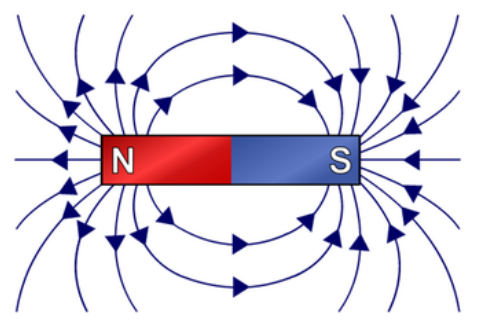
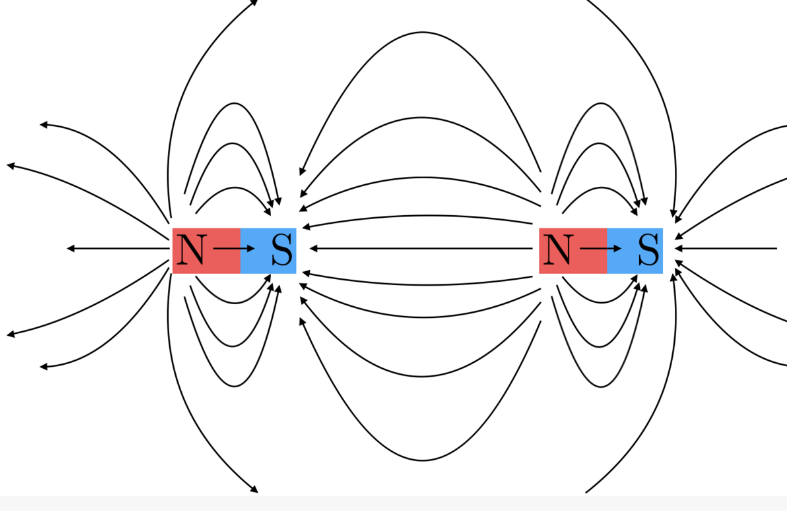
Magnetic field lines always form closed loops, flowing from the north pole to the south pole outside the magnet and from the south pole to the north pole inside the magnet. This continuous flow of magnetic flux creates the characteristic looped patterns of magnetic field lines.
-
Magnetic field lines never intersect, ensuring that each line maintains its unique path and direction without crossing paths with other lines. This non-intersecting nature of magnetic field lines reflects the orderly structure of magnetic fields.
-
The density of magnetic field lines indicates the strength of the magnetic field, with closely spaced lines representing stronger fields and widely spaced lines indicating weaker fields. This visual cue helps in understanding the intensity of magnetic influence in different regions.
2. Magnetic field lines
Learning Outcomes
- I can describe magnetic fields using field line diagrams.
- I can identify the direction of magnetic field lines.
- I can sketch magnetic field patterns around common magnets.
- I can explain how field line density represents field strength.
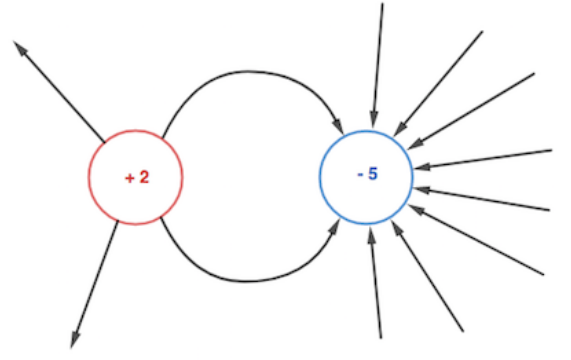
- I can compare electric field lines and magnetic field lines.
3. Magnetic flux density
Learning outcomes
- I can define magnetic flux density.
- I can identify the SI unit of magnetic flux density (tesla).
- I can describe factors that affect magnetic field strength.
- I can interpret magnetic field diagrams involving flux density.
- I can solve simple problems involving magnetic flux density.
4. Earth’s magnetic field
Learning outcomes
- I can describe Earth's magnetic field.
- I can explain how compasses align with Earth's magnetic field.
- I can identify Earth's magnetic poles.
- I can describe the role of the magnetosphere.
- I can explain phenomena such as auroras using Earth's magnetic field.
5. Magnetic materials
Learning outcomes
- I can distinguish between ferromagnetic, paramagnetic, and diamagnetic materials.
- I can explain how magnetic domains affect magnetism.
- I can describe how materials become magnetized.
- I can compare soft magnetic and hard magnetic materials.
- I can identify applications of magnetic materials in technology.