Oxidation and Reduction

2. Oxidation Reactions

Learning outcomes
  • I can define oxidation as the loss of electrons.
  • I can identify substances undergoing oxidation in a reaction.
  • I can explain oxidation using electron-transfer diagrams.
  • I can recognise oxidation through increases in oxidation state.
  • I can apply oxidation concepts to real chemical reactions.

What Is Oxidation?

Oxidation is a chemical process in which a substance loses electrons.

The simplest definition is:

Oxidation = loss of electrons​

For example, when a sodium atom loses an electron:

Na → Na+ + e−

The sodium atom has lost one electron, so sodium has been oxidised.

Similarly, magnesium can lose two electrons:

Mg → Mg2+ + 2e−

Because magnesium loses electrons, it has also been oxidised.

https://images.openai.com/static-rsc-4/CfuuObGmjwPBsw7ING18sZZ1bRqqktkubtBnyUwfZXs4VmNzd4NA0tv1D2lE8OcJPegotSPyV5S3cIYIRazefJdCcRTo85klAfizvaUXteXAF5JAoB0rAyPGzhyWCttwUDLJi_Zs6SOrHzlIltsMAljtUbxafbTt-wLlhXsMHh5fJFm1fJAM6AIOiparSCoA?purpose=fullsize
 
https://images.openai.com/static-rsc-4/QO5UtM2qB1gYTm3UdPSg9RyQC0_2eWp_QqvAnxGO-uKyF3oXZI1SibS5jHphnce5egQxtyoWPkSwwZ04EXfwfDQSPCojfhX5BvG4G_aUOWIlHDVuBoKb_3QVceGP6Cbe5PstYnAeO8TKocuG2jD_NTNLn6BYZk4LhqvCnuQs8Yo4VbZN8nRfBZTOdKyqAUiJ?purpose=fullsize
 
https://images.openai.com/static-rsc-4/muAQFvBEGdRufPJnSfWUx_YpY4cY5h0eP5dAG7qrGcyWLXFBoaDILv6BYW7QL-u6fFaCTAn2oEDu06yljmzgAEZkJdLIriqSXTghEPykmoSkBOzcIaNDYtCK8JYguxNfkLu2D2VbO415yHkuRW_So5MBjieJgVctKz58e84re6zwcpXLg3pLUFj2p2GKJ9gW?purpose=fullsize
5

Remember OIL RIG

A useful way to remember oxidation and reduction is:

OIL RIG​

OIL means: Oxidation Is Loss​

RIG means: Reduction Is Gain​

The words loss and gain refer to electrons.

Therefore:

Process Electron Change
Oxidation Electrons are lost
Reduction.  Electrons are gained

Oxidation and reduction occur together because electrons lost by one substance must be gained by another.

A reaction involving both processes is called a redox reaction.


Oxidation and Electron Transfer

Oxidation can be represented using a half-equation.

A half-equation shows what happens to one substance during a redox reaction.

Consider magnesium:

Mg → Mg2+ + 2e−

The electrons appear on the right-hand side because magnesium has lost them.

This tells us immediately that magnesium is being oxidised.

Another example is aluminium:

Al → Al3+ + 3e−

Aluminium loses three electrons.

Therefore:

Aluminium is oxidised​


Electron-Transfer Diagrams

Electron-transfer diagrams help us visualise what happens during oxidation.

Consider sodium reacting with chlorine.

Each sodium atom loses one electron:

Na → Na+ + e−

A chlorine atom gains that electron:

Cl + e− → Cl−

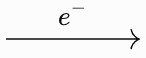
We can represent the transfer as:

Na Cl​
Sodium is oxidised because it loses the electron.

Chlorine is reduced because it gains the electron.
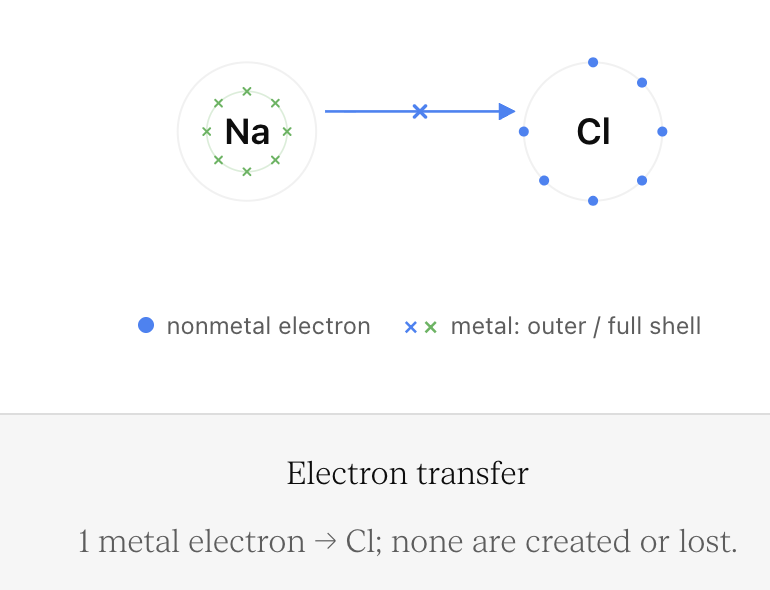
This illustrates an important idea: oxidation never occurs alone in an electron-transfer reaction. The electrons lost by one species are accepted by another.


Oxidation and Oxidation States

Oxidation can also be identified by looking at oxidation states.

During oxidation:

Oxidation state increases​

For example:

Mg → Mg2+ + 2e−

Magnesium changes from:

Its oxidation state has increased.

Therefore, magnesium has been oxidised.


Why Does Losing Electrons Increase the Oxidation State?

Electrons have a negative charge.

If an atom loses negative electrons, it becomes more positive.

For example:

Fe2+ → Fe3+ + e−

Iron changes from:

The oxidation state has increased.

Therefore:

Fe2+ has been oxidised​

Identifying Oxidation in a Reaction

Consider:

Zn + Cu2+ → Zn2+ + Cu

We can compare the oxidation states before and after the reaction.

Zinc

Before:

After:

Therefore:

The oxidation state increases.

Zinc has been oxidised.

Its oxidation half-equation is:

Zn → Zn2+ + 2e−​


Copper

Copper changes from:

Its oxidation state decreases, so copper has been reduced.

https://images.openai.com/static-rsc-4/6dh4cBWYHOCt39GFG5kKh5Z2ClDBGkbpoFvnTWALI8xy4TE3V2n6EYGEO_8It5qQHiAp1eU22do9in42vOCnUhTNVytF9dWa2EaOv-g6GjEhwpEXE6S3sUazJr3XfKFnKoelwuFcoZNpszMc6KRi-NcKwPA7_thXM7KcDqprMQ-CTqFBGtX_GWYDiWkOXKd_?purpose=fullsize
 
https://images.openai.com/static-rsc-4/hRCdoM5dAABZlHMVnMyAn2G5HwjyANSkU34jeuzbbvGsnZ1DT5z5_fh49zaSJCB3wN0AfNwKhdy17RTxd3KbTCsKhA3wYSNqXgK91YwLYsEX4aIt_OHk0S2PUXPcjkWyxcQox1Y0Jp2IxbQ3RuKryl2H_wu6TGfa-3IlXj2f_c4iwIPiW5ykHaXmsDv53CQJ?purpose=fullsize
 
https://images.openai.com/static-rsc-4/LR4sZqhkknKAtgICo5-NMA1_ZEfAyYVDCy6Oo3Iohkx5tgvKMP8Hm1Px3c4D8UDtO3-MvyUQ0U4F2V7BPegINS5bJZ1V_VCntucpWWg6NHVXnkblwbO00UxJPIsOVambxwK4SOzK9YbLPotVJm_w7It6rRlwQTPRkq5ifhURFsX1-QIvckMnEM2SXDevnJjE?purpose=fullsize
5

A Method for Identifying Oxidation

When examining a chemical reaction, use the following method.

Step 1: Identify the Elements or Ions

Determine which substances are changing during the reaction.

Step 2: Assign Oxidation States

Find the oxidation state of each important element before and after the reaction.

Step 3: Compare the Oxidation States

Look for an increase.

For example:

All of these represent increases in oxidation state.

Step 4: Identify the Oxidised Substance

The substance whose oxidation state increases has been oxidised.


Example: Sodium and Chlorine

Consider:

2Na + Cl2 ​→ 2NaCl

Before the reaction, sodium is an element:

In sodium chloride:

Therefore:

Sodium's oxidation state increases.

Therefore:

Sodium is oxidised​

Each sodium atom loses one electron:

Na → Na+ + e−

Example: Magnesium and Oxygen

Magnesium burns brightly when heated in oxygen.

The reaction is:

2Mg + O2 ​→ 2MgO
 
https://images.openai.com/static-rsc-4/vvc7lVvTokOi_x3-iYz1nsYqvojM2m47dC85zmKLLr1AdXpeb8M1qktRJX5yH6PZXa0ocAAdcEYXK91uvkb6imR3Dy2UI_znqaXjQ0cTgLevs-H_i5rUMEjtNRtvdbMFO7z1N8VEI_8bPcLWpxbr4ZcxR5g7o_3ppuqKAechZHXRAKl2P0-SyKy2QUCzlMvU?purpose=fullsize
 
https://images.openai.com/static-rsc-4/uUVcrl2hKitrgBtLkd6zbf1gG_hSiPiytRVAXYF7jLeE-yrTHrYRpLl5UD8MxqHrUYL8-5akbEZ2coOWJGEaJnXtrqnMScqF3gAPUDAhOn0MfP-aMsSwg6JH19osTEe24F5kkWBcMuHiH03TFLek7cHzttHPkIIIHdZ0gfcHY0tvyOF2Ve7dxglfdpPEPbAQ?purpose=fullsize


https://images.openai.com/static-rsc-4/PZyFZrad1R5yoSeDdYW90sG0-DS-c1BAO1XaAWkLs1JXP9IktwDVGT-meVlm-pkWZH1cc_VRw5tugkhdfCwbR5F_1Hpi8bmc7wXcPo43KoJTjNvT-Qh3EXZ7Uf0aQZieXeWSCVrQxAqkQuUHTCPQZqR1iLS_iNyw0JfozUVr3mFD8UXXd3Qv8HzWur9kj2d8?purpose=fullsize
4

Before the reaction:

In magnesium oxide:

Therefore:

Magnesium has been oxidised.

The half-equation is:

Mg → Mg2+ + 2e−

Oxygen gains the electrons, so oxygen is reduced.


Oxidation Does Not Always Mean Adding Oxygen

Historically, oxidation was described as a reaction in which a substance gained oxygen.

For example:

2Mg + O2 ​→ 2MgO

Magnesium gains oxygen, so this can be described as oxidation.

However, the modern definition is more general:

Oxidation = loss of electrons​

A substance can therefore be oxidised even when oxygen is not involved.

For example:

Zn + Cu2+ → Zn2+ + Cu

Zinc is oxidised even though it does not react with oxygen.

It loses electrons:

Zn → Zn2+ + 2e−

Oxidation of Iron

One familiar example of oxidation is rusting.

Iron reacts with oxygen in the presence of water to eventually form hydrated iron(III) oxide, which we commonly call rust.

During the process, iron atoms lose electrons:

Fe → Fe2+ + 2e−

The iron is therefore oxidised.

Further reactions eventually produce the compounds found in rust.

 
https://images.openai.com/static-rsc-4/FITD1IR_r2ad9nQHxW7YQN1cwA36x14JCa57tFRaIbGs_GvnrPFwohDabeYNjQeKBVphk6Qz82HHhz9T_FJ6dtjegV4p4u9heOb2pgaTVoG-77pF_4shmvf5WDYaK_FdhCDReaHq5sRjtRFy-amV-TXsReSe3g1JpMw3Gi03CfnX4I3-qhfYDrFmgHJ_vUB-?purpose=fullsize
 
https://images.openai.com/static-rsc-4/uKxLLwg45S4nT5057XmikSP9Z5ahsHFSy2Mu6_iHoosj8lutOiiokabnDtEeWPGV3EObQmpJJ4SREwV4aJ_CmtjE-s7GyQNQugrYyXJNrq3-TeLU6eDy9atPv8NseQ34ESlZcyz1I9nOyIzSK1b-m0Vg7S1Pr1GR_x5tDtrMixUVi2oYccCPMcBeGQ-b4VmO?purpose=fullsize
 
https://images.openai.com/static-rsc-4/uuh-kwqXzkkWAxZP1Jb6Yh6saIyxCfNSZNQLguWb1-SGIEBaDogY89pXWPFB0Gtkxp3ahvzV4IyXwXUHpbrgxWnqVyV5z6kokJMnpqBJ1FDzBlSjBgydW_LR1dnnLOMjW1Br6jAleUQSqv8KRDWq0WJEmb_yWYny-RsQZbknSYrReOTuDpxLvxGCTLcTbpTQ?purpose=fullsize
5

Rusting is important because it can weaken:

  • Cars
  • Bridges
  • Ships
  • Buildings
  • Pipelines
  • Tools

Understanding oxidation therefore has major practical importance.


Oxidation in Combustion

Combustion reactions often involve oxidation.

For example, carbon burns in oxygen:

C + O2 ​→ CO2​

Carbon begins with an oxidation state of:

0

In carbon dioxide, carbon has an oxidation state of:

+4

Therefore:

Carbon has been oxidised.

Oxygen changes from:

so oxygen has been reduced.


Oxidation in Everyday Life

Oxidation reactions occur in many familiar situations.

Examples include:

  • Burning fuels
  • Rusting iron
  • Cellular respiration
  • Batteries producing electrical energy
  • Browning of some cut fruits
  • Corrosion of metals
https://images.openai.com/static-rsc-4/prlKMyR51cFNtD1OSLe3jW3trRN7bi1nsdZlgeMXJRC8doey3ZjZEe-oyUcXDpaOAkf9Qe6vayNltzLkr0PmzJfRa8YDWsfVz2KcrPuxCd-NwSfo0eGwtEJHgNdhSM81JhcbkWsA6YZHUB-4tdsq2dxuOa2RtMghSZV-2ybN9ChxZGQ4czAH5PdmX8I-DqZV?purpose=fullsize
 
https://images.openai.com/static-rsc-4/mbCtL2qCVS1z1uuY25xjGBwGwikotXPB4WYVH0xrKf2YePHgx1twEi66DDt45CgrqdU1I4NFAXyU2zdnNVM630yeaBqn64_ronUqJVnRuNQBLqBJYvjfCtatQbPbjF283lbaVK3G1ERaOhtaCeODyLvvGdK4hwhJkXkKVhSUxWhmrf2DgXkHZD53w9reP9_n?purpose=fullsize
 
https://images.openai.com/static-rsc-4/zba_y-lUXoUNq6vDPRlcAJOBvtdWxOowdd_ebvQmy0cvzBHKLdQrAaTbCoS_Y0A-G2XH4EPwcvQPAvdSTVFyMj91OpTnduQtnaP1Jm7v_43uaagi62HZjUUyu8t4Jtn_4GJ5wReToH-8jXDxuNl_BZrt6o9Ku0tMvN4Rr7yJ9BaMK-jOXmJEqRSJkCd-9R0O?purpose=fullsize
4

Some oxidation reactions are useful, while others are unwanted.

For example, oxidation reactions in batteries can help produce electrical energy, while oxidation involved in corrosion can damage structures.


Oxidation and Reduction Always Occur Together

Suppose zinc loses two electrons:

Zn → Zn2+ + 2e−

Those electrons cannot simply disappear.

Another substance must gain them.

For example:

Cu2+ + 2e− → Cu

Combining the two half-equations gives:

Zn + Cu2+ → Zn2+ + Cu

Therefore:

Oxidation and reduction occur together​

This is why these reactions are called redox reactions:

REDuction + OXidation = REDOX​

Worked Example

Consider the reaction:

Fe + 2Ag+ → Fe2+ + 2Ag

Which substance is oxidised?

Step 1: Examine Iron

Iron begins as an element:

After the reaction:

Therefore:

The oxidation state increases.

Step 2: Write the Half-Equation

Fe → Fe2+ + 2e−

Iron loses two electrons.

Therefore:

Iron is oxidised​

Silver ions gain those electrons and are reduced.


Common Mistakes

Mistake 1: Thinking Oxidation Always Requires Oxygen

Oxidation can involve oxygen, but the modern definition is:

Oxidation = loss of electrons​

Mistake 2: Thinking a More Positive Oxidation State Means Reduction

It is the opposite.

If the oxidation state increases:

the substance has been oxidised.


Mistake 3: Putting Electrons on the Wrong Side

For an oxidation half-equation:

Zn → Zn2+ + 2e−

the electrons appear on the product side because they have been lost.


Key Vocabulary

Oxidation – The loss of electrons by a substance.

Oxidation state – A number used to track electrons in compounds and reactions.

Electron transfer – Movement of electrons from one species to another.

Half-equation – An equation showing either the oxidation or reduction part of a redox reaction.

Reduction – The gain of electrons.

Redox reaction – A reaction in which oxidation and reduction occur together.

Corrosion – The gradual destruction of a material through chemical reactions with its environment.


Key Takeaways

  • Oxidation is the loss of electrons.
  • Remember OIL: Oxidation Is Loss.
  • Electrons appear on the right side of an oxidation half-equation.
  • Oxidation causes an increase in oxidation state.
  • For example: Mg: 0 → + 2 shows oxidation.
  • Oxidation does not always require oxygen.
  • Oxidation and reduction always occur together in redox reactions.
  • Oxidation occurs in important real-world processes including combustion, corrosion, respiration, and batteries.