Oxidation and Reduction

1. Oxidation States

Learning outcomes
  • I can define oxidation state (oxidation number).
  • I can determine the oxidation states of elements in compounds and ions.
  • I can identify changes in oxidation state during reactions.
  • I can use oxidation states to track electron transfer.
  • I can apply oxidation-state rules to chemical equations.

What Is an Oxidation State?

An oxidation state, also called an oxidation number, is a number assigned to an atom that helps us keep track of electrons in compounds and chemical reactions.

Oxidation states are particularly useful when studying redox reactions—reactions in which electrons are transferred.

Oxidation states are written using a sign and a number:

+1, +2, +3, −1, −2

An oxidation state of zero is written:

0

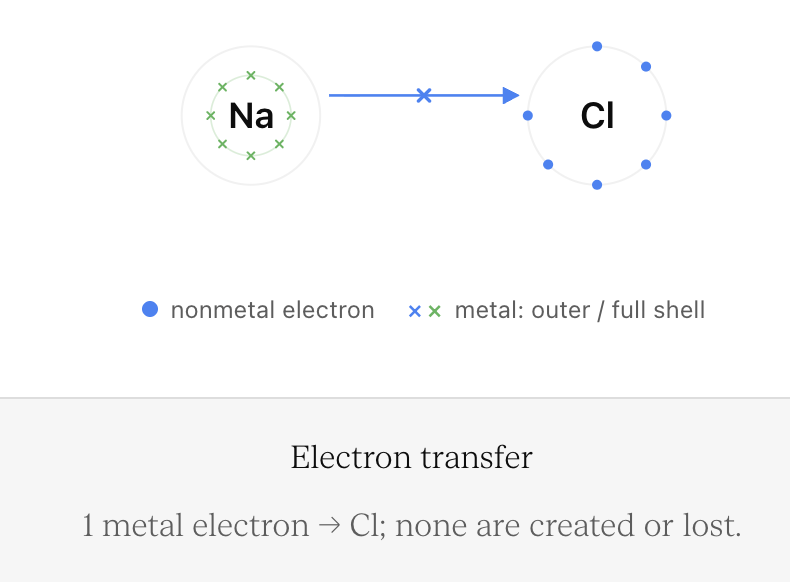
For example, in sodium chloride, NaCl:

These oxidation states help us describe how electrons are distributed and how this distribution changes during chemical reactions.

https://images.openai.com/static-rsc-4/mGFUq5MnzsKjTOcyDPFqNtardeiQKAZHrFlmt77REo9uZ1iQU2YUpqczCK4kgD-0-QXOPZYoJlYM_JVx1c5E9s0_ioZmqfHXwuHuZ1jzyL-NJQASBUV1uydMotxFCxBK9dI-NazYNZ3Fh1cc0AGthdUef-dp3k8zRzdYPuE-CLhDz7MC0A1NdfHQUdH8RZvV?purpose=fullsize
 
https://images.openai.com/static-rsc-4/5yCF_IEhNURO9nHu8uaNRibw4Zhd_jOxyRvCtdsfFUaP-iHTGsfGEwQM-nFjSZCwyZsQnl_WZDy-RWtUSzq4MarilaE0SjVxOm6GO7EvMKnEAhV5Ev4Fs23hl0RM1uLeX-b8gJNHsR8XKzuhM6fBbTp-YyFh0yCv9wHqyVdVk-Y91dOVX6DUZ79ImfTSG8O_?purpose=fullsize
 
https://images.openai.com/static-rsc-4/X4I0we6aNZafYirNfciaghr-JcLy9NelXUFyQ6a8ex0BzwuDa0TRNyX3rhDWTPHIKVhhG6FCvFDdh61JXXKMqZKY3DFo-3DpGJcnUyPMMklhu_646JY20Yoex1ObukBZReNA4gBgvH2kNqAS5lHsqAUW50hwQx1HCTwpeBKbcZuDcr42CwC374kSuYFLU3Wx?purpose=fullsize
4

Oxidation State and Electron Transfer

Oxidation states are closely related to the movement of electrons.

When an atom loses electrons, its oxidation state becomes more positive.

When an atom gains electrons, its oxidation state becomes more negative.

For example:

Na → Na+ + e−

Sodium changes from:

Its oxidation state has increased.

Now consider chlorine:

Cl2 ​+ 2e− → 2Cl−

Chlorine changes from:

Its oxidation state has decreased.

This gives us an extremely important rule:

Oxidation = increase in oxidation state

Reduction = decrease in oxidation state

​


Rules for Assigning Oxidation States

We can determine oxidation states by following a small number of important rules.

Rule 1: Elements Have an Oxidation State of 0

An element that is not combined with another element has an oxidation state of zero.

Examples:

Even when an element exists as a molecule, such as O2​ or Cl2​, its oxidation state is still zero.


Rule 2: Monatomic Ions Have the Same Oxidation State as Their Charge

For an ion containing only one atom, the oxidation state equals its ionic charge.

For example:


Rule 3: The Oxidation States in a Neutral Compound Add to Zero

A neutral compound has no overall electrical charge.

Therefore:

Sum of oxidation states = 0​

Consider sodium chloride:

NaCl

Sodium is +1, so chlorine must be −1:


Rule 4: The Oxidation States in an Ion Add to the Ion's Charge

For a polyatomic ion, the oxidation states must add to the overall charge of the ion.

For example:

SO42−​

The oxidation states must add to:

−2​

This allows us to calculate oxidation states that are not immediately obvious.

https://images.openai.com/static-rsc-4/YP0jvUOm7o76ArPwhZtYC6J6Hg9uTyXyP_0dSyHaPO6xZw3b3Rg52M0Hh2j_aowCWAbH5BJlp2yp542JkOz2eAYlTsmn5ZPXgxcDQIx9ZSbIx_e0Akr3S2Jh4rMPhcHFt-JLpiYsSukCMRm1B9-v3zJvtekLvoLMVRQN1MMe8ktmTZABcmuWdfoTp9Qo4mjt?purpose=fullsize
 
https://images.openai.com/static-rsc-4/o8eaRUQ6vG-qzOTavvXzubLG43mVHOc8QexoZZpsC9PiRAbYOL8BwCHUNPsNrE3pqFmWaPbFSh3diVbV1MLaNh4sqyrtNRHr9h20QHNw_8USAOgnsAKAU72Mgyib8xaNT9k4FO4mvJv0SDnttaCFjrlrvVPSgfekw2f0VT_sPGZ_3feGUpAeZa78p5D1Q7nt?purpose=fullsize
 
https://images.openai.com/static-rsc-4/jZQGpuIujOuUYCLNAoM0NMmAmJ_phXd6wAnGsGPBVbpU_h3jKrI5OCRvOnJOjT_bJSGXGGKSXmYgEsoNgXLqCRLP1fdonN2ohZNneFU4ZeKbVrzsSoh96vBbPOSwypjjiq2ZPYqRymLb7MrxG5eC0OHs3bS5NspMq36Tur7ALP4y9noKmD8j3FZnUBgnQwqI?purpose=fullsize
5

Some Common Oxidation States

Certain elements usually have predictable oxidation states in compounds.

Element or Group   Common Oxidation State
Group 1 metals +1
Group 2 metals +2
Aluminium +3
Fluorine −1
Oxygen Usually −2
Hydrogen Usually +1
Chlorine Usually −1

These rules work for many common compounds.

There are some exceptions—for example, oxygen does not always have an oxidation state of −2 — but these can be studied once the basic rules are understood.


Finding an Unknown Oxidation State

Suppose we want to find the oxidation state of sulfur in:

SO2

​

We know oxygen usually has an oxidation state of −2.

There are two oxygen atoms:

The compound is neutral, so the total oxidation state must equal zero.

Let sulfur's oxidation state be x:

Therefore:

x = +4​

Sulfur has an oxidation state of +4 in SO2​.


Worked Example: Carbon Dioxide

Determine the oxidation state of carbon in:

CO2​

Oxygen is usually:

−2

There are two oxygen atoms:

Let the oxidation state of carbon be x:

Therefore:

x = +4​

Carbon has an oxidation state of +4 in carbon dioxide.


Worked Example: Water

Determine the oxidation states in:

H2​O

Hydrogen is usually: +1

Oxygen is usually: −2

There are two hydrogen atoms:

Therefore:

H = +1​

and

O = −2​

The oxidation states add to zero because water is a neutral compound.


Worked Example: Magnesium Chloride

Consider:

MgCl2​

Magnesium is a Group 2 metal, so:

Chlorine is usually:

There are two chlorine atoms:

Therefore, the oxidation states correctly add to zero.

This also connects oxidation states to electron transfer during ionic bonding.
Oxidation States in Polyatomic Ions

We use the same method for ions, but the oxidation states must add to the charge of the ion rather than zero.

Consider the sulfate ion:

SO42−​

Oxygen is usually −2.

Four oxygen atoms contribute:

Let sulfur's oxidation state be x.

The total must equal −2:

Therefore:

x = +6​

Sulfur has an oxidation state of +6 in the sulfate ion.


Oxidation States and Redox Reactions

Oxidation states are especially useful for identifying oxidation and reduction.

Consider the reaction:

2Mg + O2 ​→ 2MgO

Before the reaction:

After the reaction:


Magnesium

Magnesium changes from:

Its oxidation state increases.

Therefore:

Magnesium is oxidised​


Oxygen

Oxygen changes from:

Its oxidation state decreases.

Therefore:

Oxygen is reduced
​
https://images.openai.com/static-rsc-4/iM94hJv8VVaGFf1fB_JnY8XVygu1hhZVMgDKGPdVSo9jV3RnREQbGCSZgw-ISoGBn1GIP_8nBbAMCIfnStnaBmYAge0KIL9XgMDcwTGgusA449AUuQxch6CCI6g7jo0jrL_QTXzYd7mMRVTjZdeVyDXuO1ydjk-RCICD9chXbdMl79g0fipAPxqTOMGk5lLn?purpose=fullsize
 
https://images.openai.com/static-rsc-4/D6tm-IRQRQNWDANEwrGq_IYIfCUe7DKYZV5PS65I6REo5ogBipbQIl7ADBYazm2GXpAZN5nh4PBEipZK9ZaXCv3T5cMaq-85sFJz4sF8-WUeKgcU_1k3bVameV5ua8Tf-RaksPdLzHDgAGNnImNOCqr_58NUhkqNu7CdruX0NPpD8t3MUrFdR1YNiVExjohM?purpose=fullsize
 
https://images.openai.com/static-rsc-4/gAtTItrpvXexIQdQLkWC6gwoHWGWYdJBJLv2NeZ85i0P6I-Pr7I-XBDmeeoH0zcny7gmVikXewMjaBoRyiv9LvOTHbbWpOiOBTTOxnZRaakuapkLCBLWvnrr5RJt5YjtZobuBFxEStoJOeG6NpHPOVFuDOtKVmV-Uz1XAZ1W81IpNYTxoLV1At9yxBzwofAz?purpose=fullsize

5

Remember OIL RIG

A useful memory aid is:

OIL RIG​

OIL:

Oxidation Is Loss of electrons.

RIG:

Reduction Is Gain of electrons.

This agrees with changes in oxidation state:

Oxidation: oxidation state increases​ Reduction: oxidation state decreases​

Another useful way to remember the relationship is:

Process Electrons  Oxidation State
Oxidation Lost Increases
Reduction.  Gained Decreases
https://images.openai.com/static-rsc-4/3fS4lxcuLDxpmTIciOIlw3Dn7ngFV_Df8YyBNCU17MWaSYACKD4C15rGhujeXzl1ZU8yr9XBLRLCDezg6WOW1T2izDcw8i1O-WpaR7qRudOoVkk1EbZaeCxGa9VPv8ZoolkOwac4YnQ0lujn-4oF-nm3Thj6V1_v-IX3_RmzMUbzxUDMPOLXzwzVhI24jrY2?purpose=fullsize
 
https://images.openai.com/static-rsc-4/CfuuObGmjwPBsw7ING18sZZ1bRqqktkubtBnyUwfZXs4VmNzd4NA0tv1D2lE8OcJPegotSPyV5S3cIYIRazefJdCcRTo85klAfizvaUXteXAF5JAoB0rAyPGzhyWCttwUDLJi_Zs6SOrHzlIltsMAljtUbxafbTt-wLlhXsMHh5fJFm1fJAM6AIOiparSCoA?purpose=fullsize
 
https://images.openai.com/static-rsc-4/rKnLWUsFL_q55V89gQwlWSukc4zfLIhsGS5Z5Ryh-e0kOld1v-P5C6cA_d9a0uNGXI-tjR6XE6aX2RtrCNVuPkwgLLIIUap0IPB-a1gCpsygQa2iwrN6LyAJubHz747kKeQsWnk5Cfcl-NC6nt-aDq8DuHN9DyA-tKrndzenAVWSM1gbITDZ_rp5sKo-Vwin?purpose=fullsize
4

Tracking Electron Transfer

Consider the reaction:

Zn + Cu2+ → Zn2+ + Cu

Look first at zinc.

Zinc

Zinc's oxidation state increases because it loses two electrons:

Zn → Zn2+ + 2e−

Zinc is therefore oxidised.

Copper

Copper changes from:


Cu2+ + 2e− → Cu

Copper is therefore reduced.

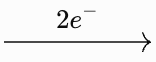
Overall, electrons are transferred:

Zn  ​Cu2+​

Oxidation states therefore allow us to track electron transfer even when electrons are not shown in the overall chemical equation.

https://images.openai.com/static-rsc-4/6dh4cBWYHOCt39GFG5kKh5Z2ClDBGkbpoFvnTWALI8xy4TE3V2n6EYGEO_8It5qQHiAp1eU22do9in42vOCnUhTNVytF9dWa2EaOv-g6GjEhwpEXE6S3sUazJr3XfKFnKoelwuFcoZNpszMc6KRi-NcKwPA7_thXM7KcDqprMQ-CTqFBGtX_GWYDiWkOXKd_?purpose=fullsize
 
https://images.openai.com/static-rsc-4/LPw0mCwyF15eYGFfI5p7R_HVSL8EdvJuKpK98DcI-9RgZEkfbCoWHs5V_qbyDQqmDfnPgsMsWCevNwpgEYPEezVeBMxqw-1fs4FxnBbKT06h93wQfu1eDcARvRuEybGRRe1r28_gTzLRiiINLXfn1Pm_6V5B3BLdgawnz6ZAXLXDPan7E-Jje0UMhCxwdZql?purpose=fullsize
 
https://images.openai.com/static-rsc-4/-C_fomSqDwHzi9ALldFENsJpTdeHDCmmLv8odRNSLE5rA58wOq6DS-T2-h4QyTCHRGsaxEyaROvdAPvkjs5_aNhxbxZgBpJaIZ0JFoUMncK6sZQ0V71IKuqzp3lL1JQDHcmZFh6hxpuURbAw3xiEMYpLpaF9NDA_nikqyb6wuFA0GSXIAHd77U6hSBOD5d9_?purpose=fullsize
5

Applying Oxidation States to Chemical Equations

Consider:

2Na + Cl2 ​→ 2NaCl

We can systematically analyse the reaction.

Step 1: Assign Oxidation States to the Reactants

Because sodium and chlorine are elements:


Step 2: Assign Oxidation States to the Products

In sodium chloride:


Step 3: Identify the Changes

For sodium:

The oxidation state increases.

Therefore, sodium is oxidised.

For chlorine:

The oxidation state decreases.

Therefore, chlorine is reduced.


A Useful Problem-Solving Method

When finding oxidation states in compounds or chemical equations, use the following process.

Step 1: Write Down Known Oxidation States

Start with elements whose oxidation states are easy to identify, such as:

  • Oxygen
  • Hydrogen
  • Group 1 metals
  • Group 2 metals

Step 2: Multiply by the Number of Atoms

For example, three oxygen atoms at −2:


Step 3: Use the Overall Charge

For a neutral compound:

Total = 0​

For an ion:

Total = ion charge​


Step 4: Solve for the Unknown

Use simple algebra to calculate the missing oxidation state.

Step 5: Compare Before and After

For a chemical reaction:


Worked Example: Iron Oxide

Determine the oxidation state of iron in:

Fe2​O3​

Oxygen is usually −2.

There are three oxygen atoms:

The compound is neutral, so the two iron atoms must contribute +6.

Let the oxidation state of each iron atom be x:

x = +3​

Therefore, iron has an oxidation state of +3 in Fe2​O3​.


Common Mistakes

Mistake 1: Ignoring the Number of Atoms

In:

CO2
​

there are two oxygen atoms.

Therefore:

not simply −2.

Mistake 2: Making Every Formula Add to Zero

Neutral compounds add to zero, but ions do not.

For:

SO42−​

the oxidation states must add to: −2​


Mistake 3: Mixing Up Oxidation and Reduction

Remember:

is an increase, so it is oxidation.

However:

is a decrease, so it is reduction.

Mistake 4: Forgetting That Elements Have Oxidation State Zero

In:

O2​

oxygen has an oxidation state of 0, not −2.

The −2 rule normally applies when oxygen is combined with other elements.


Key Vocabulary

Oxidation state – A number assigned to an atom that helps track electrons in compounds and reactions.

Oxidation number – Another name for oxidation state.

Oxidation – Loss of electrons and an increase in oxidation state.

Reduction – Gain of electrons and a decrease in oxidation state.

Redox reaction – A reaction in which oxidation and reduction occur together.

Electron transfer – The movement of electrons from one species to another.

Polyatomic ion – A charged group containing two or more atoms bonded together.


Key Takeaways

  • Oxidation state and oxidation number mean the same thing.
  • An element by itself normally has an oxidation state of 0.
  • The oxidation state of a monatomic ion equals its charge.
  • Oxidation states in a neutral compound add to zero.
  • Oxidation states in a polyatomic ion add to the overall charge of the ion.
  • Oxygen is usually −2, while hydrogen is usually +1.
  • An increase in oxidation state means oxidation.
  • A decrease in oxidation state means reduction.
  • Oxidation states allow us to track electron transfer in redox reactions.
  • Remember OIL RIG: Oxidation Is Loss — Reduction Is Gain​